 EN
EN

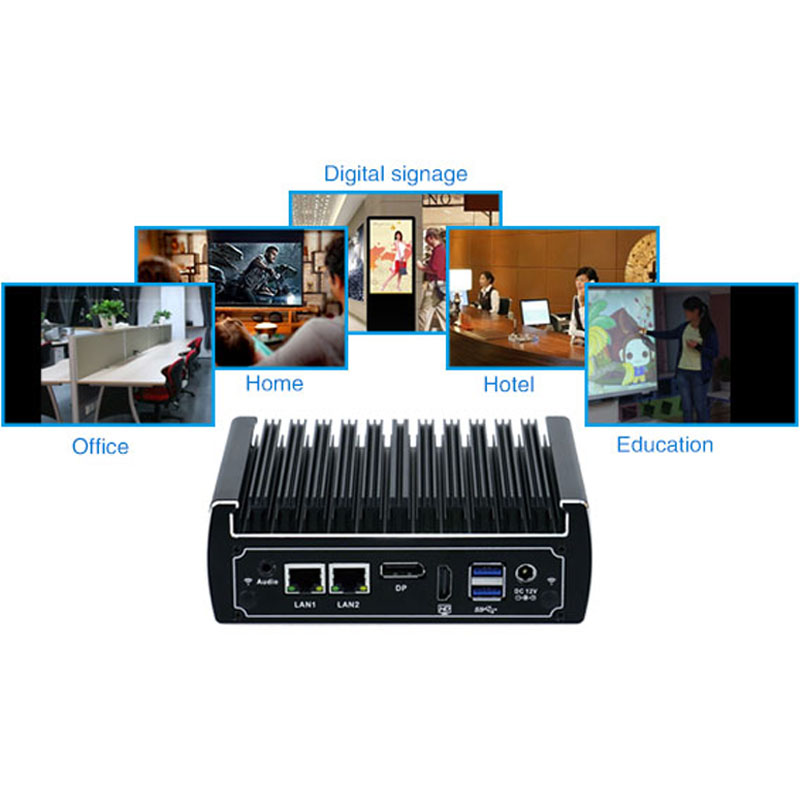
The Maintenance Burden Nobody Talks About
Industrial PCs run production lines, monitor critical infrastructure, and control processes that can't simply stop for routine maintenance. Yet every piece of equipment eventually needs attention. The question isn't whether maintenance is necessary—it's how much maintenance is required and how disruptive it becomes.
Fanless industrial PCs were designed partly to address this problem. Removing the cooling fan eliminates a common maintenance task. No fan filters to clean or replace. No fan motors to monitor for bearing wear. No fan failure that takes the entire system down. The maintenance burden shifts from frequent, predictable tasks to less frequent, more strategic ones. Understanding this shift helps operations teams plan better and avoid the surprises that come from neglected equipment.
What Changes When the Fan Goes Away
The most obvious difference is dust management. Traditional PCs with fans draw air through the chassis, bringing dust with it. That dust accumulates on heatsinks, reducing thermal efficiency. It coats circuit boards, potentially causing shorts. It clogs fan filters, reducing airflow until the system overheats.
Fanless industrial PCs don't pull air through the chassis. Instead, heat travels from the processor to the enclosure through thermal paths—heat pipes, thermal pads, and direct contact between components and the chassis. The enclosure itself acts as a heatsink, dissipating heat to the surrounding air. Dust still settles on external surfaces, but it doesn't accumulate inside. Cleaning becomes a matter of wiping down the exterior rather than opening the chassis and dealing with internal contamination.
The Real Maintenance Schedule
Practical experience suggests a maintenance rhythm that differs significantly from fan-cooled systems. External heatsink fins should be cleaned with compressed air at roughly six-month intervals, depending on the environment. A clean office environment might stretch to annual cleaning. A dusty workshop might require quarterly attention. The key is monitoring—checking surface temperatures periodically to spot rising trends that indicate reduced heat dissipation.
Internal maintenance is minimal. Without fans moving air through the chassis, there's little reason to open the enclosure for cleaning. The RTC battery that maintains system clock and BIOS settings has a typical lifespan of around five years. That's about the only internal component that requires scheduled replacement. Everything else—solid-state storage, memory modules, processors—should last the life of the system under normal operating conditions.
| Maintenance Task | Fan-Cooled PC | Fanless Industrial PC |
|---|---|---|
| Fan Filter Cleaning | Every 1-3 months | Not applicable |
| Fan Replacement | Every 1-2 years | Not applicable |
| Heatsink Dust Removal | Every 3-6 months (internal) | Every 6 months (external fins) |
| Battery Replacement | Every 3-5 years | Every 5 years |
| System Inspection | Quarterly | Semi-annually |
Environmental Factors That Change the Equation
The maintenance schedule isn't fixed—it depends heavily on where the system operates. A fanless industrial PC in a climate-controlled control room sees relatively benign conditions. Dust is minimal. Temperature is stable. Humidity is controlled. Maintenance can stretch to the longer end of recommended intervals.
The same system on a factory floor near grinding or cutting operations faces a different reality. Metal dust is conductive. It can bridge contacts and cause shorts if it gets inside. Even though fanless designs keep dust out better than fan-cooled alternatives, the external surfaces still accumulate debris. Regular external cleaning prevents this debris from finding its way in during maintenance activities or through imperfect seals. The environment dictates the schedule more than the hardware does.
Common Mistakes That Shorten Lifespan
Several maintenance missteps reduce the useful life of fanless industrial PCs. Using compressed air incorrectly is one of the most common. High-pressure air can force dust into places it wouldn't otherwise reach. A better approach uses low-pressure air or a soft brush, holding the nozzle at an angle rather than blasting directly at the chassis.
Another mistake involves cleaning agents. Harsh solvents can damage coatings, degrade seals, and leave residues that attract more dust. Isopropyl alcohol at 70-90% concentration works well for exterior cleaning when applied with a lint-free cloth. It evaporates quickly and leaves minimal residue. Anything stronger risks more harm than good.
A third error is ignoring the installation environment. Fanless systems rely on passive airflow for cooling. Blocking ventilation paths—by mounting the system too close to a wall or stacking equipment on top—reduces heat dissipation and shortens component life. Proper installation leaves adequate space around the enclosure for air circulation.
A Case from the Field: Food Processing Facility
A food processing plant in the Midwest operated dozens of industrial PCs throughout its packaging lines. The original equipment used fans and filters, and maintenance consumed significant resources. Technicians spent hours each month cleaning filters, replacing failed fans, and troubleshooting overheating issues. The environment—humid, with occasional washdowns and airborne flour dust—was particularly hard on fan-cooled systems.
The plant transitioned to fanless industrial PCs over a two-year period. The maintenance picture changed dramatically. Filter cleaning disappeared from the schedule. Fan replacements stopped entirely. The remaining maintenance consisted of quarterly external cleaning and an annual thermal check—measuring enclosure temperatures to ensure the passive cooling system was still performing adequately. The maintenance team reallocated the time saved to other preventive tasks, improving overall equipment reliability without adding headcount.
When to Call for Help
Not every issue is a maintenance problem. Some symptoms indicate deeper troubles that cleaning won't fix. Unusually high enclosure temperatures despite clean heatsink fins might point to degraded thermal interface material between the processor and the chassis. Intermittent reboots could signal power supply issues rather than thermal problems. Persistent errors in system logs might indicate failing memory or storage.
Knowing the difference between routine maintenance and actual failure saves time and prevents unnecessary replacements. A good practice is documenting baseline temperatures and performance metrics during initial installation. Comparing current readings against that baseline provides early warning of developing issues. When readings deviate significantly, it's time for deeper investigation rather than another round of cleaning.