When it comes to choosing the right computing device for your needs, the decision between a fanless PC and an all - in - one PC can be a challenging one. Shenzhen Xin Saike Technology Co., Ltd. offers both types of PCs, and understanding the differences between them can help you make an informed decision.
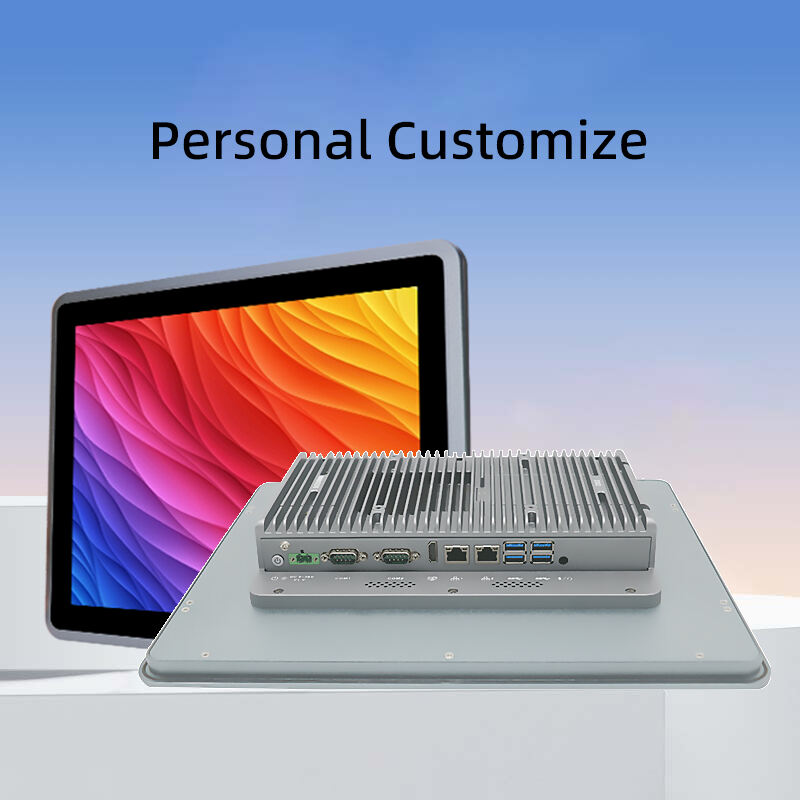
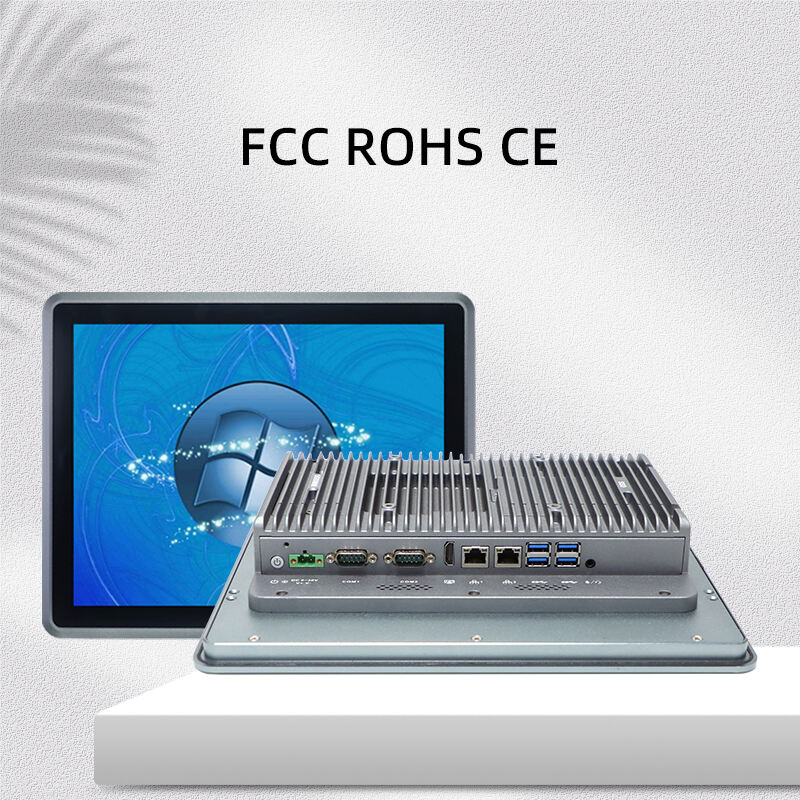
One of the most significant differences between a fanless PC and an all - in - one PC is their design. A fanless PC is typically a separate desktop unit that consists of a motherboard, processor, memory, and storage components, all housed in a compact case without a fan. On the other hand, an all - in - one PC combines the computer components with the display into a single unit, similar to a large tablet or a monitor with built - in computing capabilities.
In terms of performance, both fanless PCs and all - in - one PCs can offer similar processing power, depending on the specific models. However, fanless PCs often have more flexibility when it comes to upgrading components. Since they are separate units, you can easily upgrade the processor, memory, or storage without having to replace the entire device. In contrast, upgrading components in an all - in - one PC can be more challenging and may require professional assistance, as the components are often integrated into the display unit.
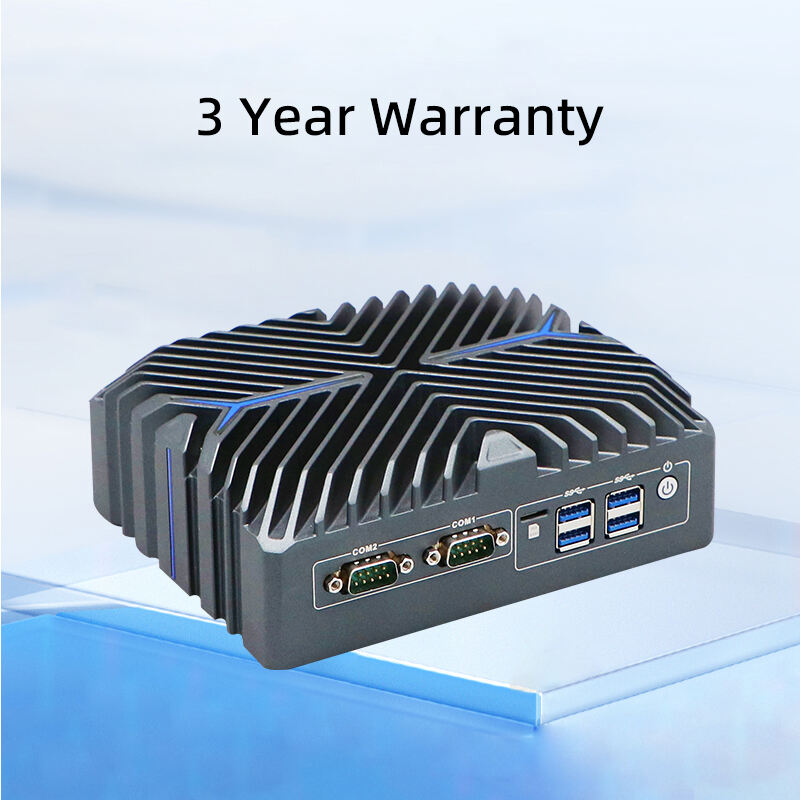
The fanless design of a fanless PC is a major advantage in certain environments. As the name suggests, a fanless PC does not have a fan, which eliminates the risk of dust accumulation and reduces noise levels. This makes it ideal for use in quiet environments, such as libraries, offices, or home theaters. All - in - one PCs, on the other hand, may have fans for cooling purposes, which can generate noise and may require regular cleaning to prevent dust buildup.
Portability is another factor to consider. All - in - one PCs are generally less portable than fanless PCs. Since they combine the computer and display into a single unit, they are larger and heavier, making them more difficult to move around. Fanless PCs, on the other hand, are compact and lightweight, and can be easily connected to different displays or carried to different locations. This makes them a better choice for users who need to use their PCs in multiple locations or for users who frequently travel.
Price is also an important consideration. Fanless PCs can be more cost - effective than all - in - one PCs, especially if you already have a display and only need a computing device. You can purchase a fanless PC and connect it to your existing monitor, keyboard, and mouse, saving you money on the overall cost. All - in - one PCs, on the other hand, include the display and other components in the package, which can make them more expensive.
However, all - in - one PCs do have some advantages. They offer a more streamlined and space - saving design, as they eliminate the need for a separate desktop unit and display. They are also easier to set up and use, as they come with everything you need in one package. Additionally, some all - in - one PCs offer touch screen capabilities, which can provide a more intuitive and interactive user experience.
In conclusion, the choice between a fanless PC and an all - in - one PC depends on your specific needs and preferences. If you need a quiet, portable, and cost - effective computing device with the flexibility to upgrade components, a fanless PC may be the better choice. If you prefer a space - saving, all - in - one solution with a streamlined design and touch screen capabilities, an all - in - one PC may be more suitable. Shenzhen Xin Saike Technology Co., Ltd. offers a wide range of both fanless PCs and all - in - one PCs to meet the diverse needs of our customers.
 EN
EN