 EN
EN

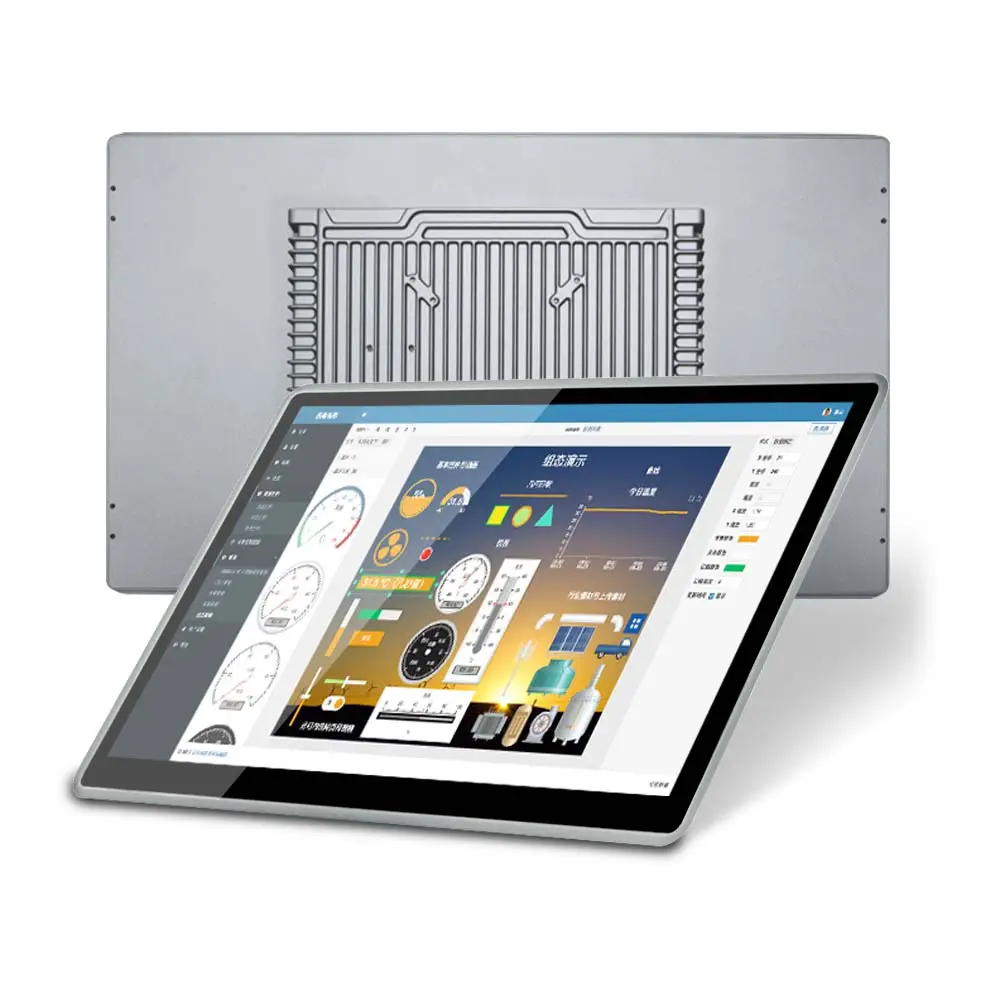
Industrial touch screen PCs are the cornerstone of seamless human-machine interaction (HMI) in modern industrial ecosystems, spanning manufacturing, automation, logistics, and industrial IoT (IIoT). Unlike consumer-grade touch devices built for casual use, industrial touch screen PCs are engineered with purpose-built functionality that aligns with the rigorous demands of harsh industrial environments, 7/24H continuous operation, and complex industrial workflows. Their functionality extends far beyond basic touch input, integrating industrial-grade computing power, ruggedized interaction features, seamless connectivity, and adaptive performance to drive efficiency and reliability across every industrial operation. This deep dive explores the core functional pillars of industrial touch screen PCs, revealing how each feature is tailored to solve the unique challenges of industrial settings and elevate operational performance.
Intuitive Industrial-Grade Touch Functionality
The touch interface is the primary functional element of industrial touch screen PCs, reimagined for the realities of industrial use rather than consumer convenience. Two core touch technologies define this functionality, each optimized for specific industrial tasks:
- Resistive touch functionality: Designed for gloved operation—a non-negotiable in manufacturing, food processing, and heavy machinery settings—this feature responds to physical pressure, working with rubber, latex, or nitrile gloves, styluses, and even industrial tools. The touch surface is scratch and impact-resistant, with calibrated input precision to avoid misclicks in fast-paced operational environments, making it ideal for on-the-floor machine control and real-time data entry.
- Capacitive multi-touch functionality: Built for interactive HMI tasks in control rooms and semi-centralized operations, this delivers ultra-responsive pinch, swipe, and tap gestures for data visualization, multi-system monitoring, and complex menu navigation. Industrial-grade capacitive screens feature smudge-proof and water-repellent coatings, ensuring clear visibility and reliable input even with frequent use by multiple operators.
Both touch systems feature fast response times (under 5ms) and long-term calibration stability, eliminating the need for frequent reconfiguration and ensuring consistent performance for years of 7/24H use.
Reliable 7/24H Computing and Processing Functionality
Industrial touch screen PCs combine intuitive touch interaction with robust computing functionality, powered by processors engineered for industrial efficiency and performance. Entry-level models leverage Intel J-series processors (J1900, J6412) to deliver reliable processing for basic HMI tasks—including machine status checks, simple data logging, and manual control input—with ultra-low power consumption and fanless cooling. Mid-to-high-end industrial touch screen PCs are equipped with Intel Core i3, i5, i7, and 14th Gen Core Ultra processors, unlocking advanced computing functionality for complex industrial workflows: real-time edge data processing, multi-PLC integration, IoT sensor data aggregation, and simultaneous control of multiple automated systems.
All models feature fanless passive cooling functionality, a critical design choice that eliminates moving parts, prevents dust and debris buildup, and ensures uninterrupted processing even in dusty, high-vibration industrial spaces. Paired with DC 12V stable power delivery, this computing functionality guards against voltage fluctuations common in industrial power grids, avoiding sudden system shutdowns and preserving critical operational data.
Seamless Industrial Connectivity Functionality
Industrial touch screen PCs are not standalone devices—their connectivity functionality is engineered to integrate seamlessly with the broader industrial tech stack, serving as a central hub for HMI and data transmission. Every unit comes equipped with a comprehensive suite of industrial-grade ports, including multiple LAN ports for wired, low-latency connection to industrial networks and servers, COM ports for legacy PLC and machinery integration, and USB ports for connecting barcode scanners, printers, and data storage devices. Many models also include wireless connectivity functionality (Wi-Fi 6, Bluetooth 5.0) for flexible integration with mobile industrial devices and wireless IoT sensors.
This connectivity is designed for industrial reliability: ports are reinforced to resist physical damage from frequent plugging/unplugging, and data transfer protocols are optimized for real-time industrial communication, ensuring no lag or data loss when transmitting critical control signals or operational data between the touch screen PC and industrial equipment.
Ruggedized Environmental Adaptability Functionality
A defining functional attribute of industrial touch screen PCs is their environmental adaptability, built to perform in conditions that would render consumer touch devices useless. Core rugged functionality includes vibration resistance, with reinforced metal chassis and shock-absorbent internal components that protect against continuous mechanical movement on factory floors and conveyor belts. These devices also offer wide temperature operation functionality, performing reliably across a range of -20°C to 60°C, eliminating thermal throttling or system crashes in unheated factory bays or warm control rooms.
Most industrial touch screen PCs feature IP-rated dust and splash resistance functionality, with sealed casings and touch surfaces that prevent liquid spills, dust, and industrial particulate matter from entering internal components. This reduces maintenance needs and extends the device’s lifespan, a critical functional benefit for industrial operations that cannot afford downtime for repairs or replacements.
Scalable and Customizable Operational Functionality
Industrial touch screen PCs deliver scalable functionality to adapt to evolving industrial needs, with modular hardware features that support easy upgrades and customization. Many models include removable RAM and SSD functionality, allowing businesses to boost processing power and storage capacity as their industrial workflows grow—for example, adding more IoT sensors or integrating new automation software—without replacing the entire device. They also support cross-OS compatibility functionality, running Windows, Linux, and industrial-specific operating systems to align with existing software ecosystems and HMI tools.
For specialized industrial use cases, customizable functionality options include panel mounting, wall mounting, and embedded integration, ensuring the touch screen PC fits seamlessly into existing industrial infrastructure, whether it’s a robotic workstation, a warehouse inventory station, or a centralized control room command center.
In conclusion, the functionality of industrial touch screen PCs is a masterclass in industrial engineering—every feature, from touch input to computing power, connectivity to ruggedness, is designed to meet the unique demands of industrial operations. Far more than just touch-enabled computers, they are purpose-built HMI solutions that drive efficiency, reliability, and adaptability across manufacturing, automation, and IIoT. For businesses looking to streamline their industrial workflows and unlock seamless human-machine collaboration, the tailored functionality of industrial touch screen PCs is an indispensable asset for long-term operational success.