 EN
EN

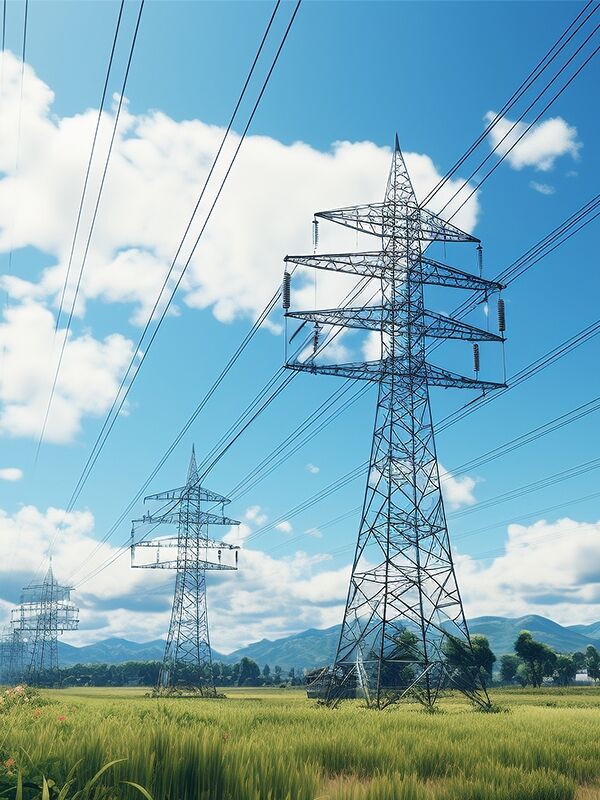
The global energy landscape is undergoing a transformative shift, driven by the urgent need for sustainability, efficiency, and resilience. At the heart of this revolution lies smart grid technology, a sophisticated network that integrates digital communication, automation, and advanced analytics to optimize electricity generation, distribution, and consumption. Central to the success of smart grids are industrial computers—rugged, high-performance computing systems designed to operate reliably in harsh environments. This article explores how industrial computers are reshaping smart grid infrastructure, addressing challenges, and unlocking unprecedented opportunities for energy management.
1. The Smart Grid Revolution: Why Industrial Computers Matter
Smart grids represent a departure from traditional power systems by enabling two-way communication between utilities and consumers. This dynamic interaction allows for real-time monitoring, predictive maintenance, and demand-response strategies, reducing energy waste and enhancing grid stability. However, implementing these capabilities requires computing solutions that can withstand extreme temperatures, electromagnetic interference, and continuous operation—conditions where standard consumer-grade devices fail.
Industrial computers, such as those developed by Shenzhen Xin Saike Technology Co., Ltd., are engineered to meet these demands. With features like fanless cooling, solid-state drives (SSDs), and reinforced enclosures, these systems ensure uninterrupted performance in substations, renewable energy sites, and remote monitoring stations. Their ability to process vast amounts of data from sensors, smart meters, and IoT devices makes them indispensable for smart grid analytics and decision-making.
2. Key Applications of Industrial Computers in Smart Grids
A. Real-Time Grid Monitoring and Control
Industrial computers serve as the backbone of supervisory control and data acquisition (SCADA) systems, which monitor voltage, frequency, and load across the grid. By analyzing this data in real time, utilities can detect anomalies, prevent outages, and balance supply and demand efficiently. For instance, during peak usage periods, industrial PCs can trigger automated load shedding or integrate distributed energy resources (DERs) like solar panels and wind turbines to stabilize the grid.
B. Predictive Maintenance for Infrastructure
The aging power infrastructure in many regions poses significant risks of failures. Industrial computers equipped with machine learning algorithms can predict equipment degradation by analyzing vibration, temperature, and other operational parameters. This proactive approach reduces downtime and maintenance costs while extending the lifespan of transformers, circuit breakers, and other critical components.
C. Cybersecurity and Data Protection
As smart grids become more interconnected, they also become vulnerable to cyberattacks. Industrial computers with built-in security features, such as hardware-based encryption and secure boot mechanisms, safeguard sensitive data and prevent unauthorized access. Compliance with international standards like CE, FCC, and RoHS further ensures their reliability in global markets.
3. Advantages Over Traditional Computing Solutions
- Durability: Industrial-grade components resist dust, humidity, and shocks, ensuring longevity in outdoor or industrial settings.
- Scalability: Modular designs allow utilities to upgrade computing power without overhauling entire systems.
- Cost Efficiency: Lower failure rates and reduced maintenance needs translate to long-term savings for energy providers.
- Energy Efficiency: Fanless designs and low-power processors minimize energy consumption, aligning with sustainability goals.
4. Future Trends: AI and Edge Computing in Smart Grids
The next phase of smart grid evolution will leverage artificial intelligence (AI) and edge computing to enhance automation and responsiveness. Industrial computers will play a pivotal role by processing data locally (at the edge) rather than relying on cloud servers, reducing latency and bandwidth usage. AI-driven analytics will enable self-healing grids that automatically reroute power during outages or optimize energy storage based on weather forecasts.
5. Why Choose Shenzhen Xin Saike Technology Co., Ltd.?
As a leader in industrial computing, Shenzhen Xin Saike Technology Co., Ltd. offers tailored solutions for smart grid applications. Their product lineup, including mini PCs, embedded fanless systems, and network servers, combines cutting-edge technology with rigorous quality control. With certifications like CCC and multiple patents, their systems meet the highest industry standards while providing competitive pricing.
Conclusion: A Smarter, More Resilient Energy Future
The integration of industrial computers into smart grids is not just a technological upgrade—it’s a necessity for building a sustainable, efficient, and secure energy ecosystem. By enabling real-time insights, predictive capabilities, and robust cybersecurity, these systems empower utilities to navigate the complexities of modern power management. As the world transitions to renewable energy and decentralized grids, the role of industrial computers will only grow, cementing their status as the unsung heroes of the smart grid revolution.
For industries seeking to harness this potential, partnering with a trusted provider like Shenzhen Xin Saike Technology Co., Ltd. ensures access to innovative, reliable, and future-proof computing solutions tailored to the unique demands of smart grid technology.