 EN
EN

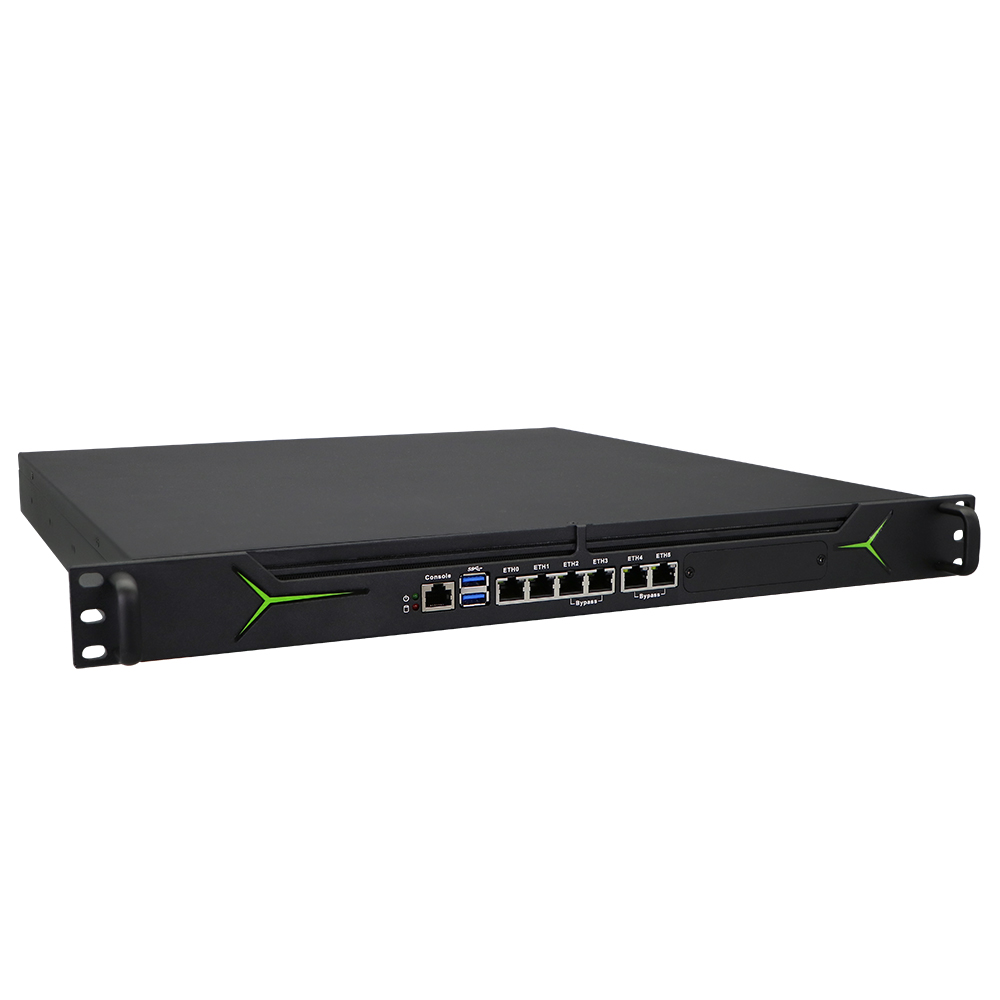
Helyhatékonyság: Hogyan maximalizálja a 1U-os rack-mount szerver a központi adatközpont sűrűségét
Függőleges hely optimalizálása korlátozott környezetekben
A 1U-os rack-mount szerver újradefiniálja az adatközpont sűrűségét a függőleges hely optimalizálásával. Csak 1,75 hüvelyk magas lévén akár 42 szerver is elhelyezhető egy szokásos 42U-os rackban – ez a kapacitás kétszerese a 2U-os alternatívákéhoz képest. Ez az hatékonyság különösen fontos az élő (edge) számítási helyszíneken és a városi kolokációs létesítményekben, ahol a padlóterület éves ára meghaladja a 740 USD-t négyzetlábnként. A meglévő rackekbe több számítási teljesítmény bepakolásával az üzemeltetők elhalasztják a költséges infrastrukturális bővítéseket anélkül, hogy lemondanának a teljesítményről. A sekély ház kialakítás továbbá egyszerűsíti a kábelvezetést és javítja a légáramlás-kezelést – ezek kulcsfontosságú előnyök nagy sűrűségű telepítések esetén, ahol a térbeli pontosság közvetlenül befolyásolja a megbízhatóságot és a karbantarthatóságot.
Valós világbeli hatás: 42%-os csökkenés a helyfoglalásban az Equinix NY4 élő fürtökben
Az Equinix NY4 peremklasztereiben a 1U-os, állványra szerelhető szerverekre való átállás 42%-kal csökkentette a fizikai helyigényt, így ugyanazon alapterületen 58%-kal több számítási csomópont helyezhető el – ez egyenértékű azzal, mintha 12 teljes állványt adnának hozzá építés nélkül. Az összevonás évente 2,1 millió dollárral csökkentette az ingatlan költségeket, miközben megtartotta az azonos feldolgozási teljesítményt. Mivel a peremhelyiségek átlagos mérete kevesebb mint 5000 négyzetlábra (kb. 465 m²) tesz, ilyen sűrűség jelentős működési előnyt biztosít. A szakmai elemzések szerint minden 100 darab 2U-os állvány 1U-osra történő átalakítása 350 négyzetláb (kb. 32,5 m²) prémium helyet szabadít fel – elegendő hely 84 további szerver elhelyezésére.
A 1U-os, állványra szerelhető szerver energia- és hőhatékonysága
23%-kal alacsonyabb energiafogyasztás 2U-os szerverekhez képest (Uptime Institute, 2023)
Az 1U rack-mount szerver 23%-kal kevesebb energiát fogyaszt, mint az összehasonlítható 2U egységek, amint azt az Uptime Institute 2023-as benchmarking tanulmánya mutatja. Kompakt architektúrája csökkenti az alkatrészek túlterhelését, az üresjáratban fellépő energia-haoztatást és a belső kábelezésből eredő veszteségeket – miközben a nagy hatásfokú tápegységek (PSU-k) tovább javítják az átalakítási hatásfokot. Ezek a javulások mind az üzemeltetési költségeket, mind az infrastruktúra életciklusa során fellépő szén-intenzitást csökkentik.
Pontos légáramlás-tervezés és passzív hűtés előnyei
A sekély 1U ház lehetővé teszi a ventilátorok pontos elhelyezését és irányított szellőzésüket, így konzisztens, elöl-hátul irányuló légáramlást biztosít, amely megszünteti a hőforrásokat anélkül, hogy túlhajtaná a ventilátorokat. A processzorok és memóriamodulok passzív hőelvezetőket használnak, amelyeket úgy terveztek, hogy maximalizálják a lamináris áramlás hatásfokát – ezzel csökkentve az aktív hűtésre való támaszkodást. Kevesebb mozgó alkatrész egyúttal csökkenti a zajkibocsátást és a mechanikai meghibásodás kockázatát, növelve ezzel a hosszú távú megbízhatóságot a folyamatos üzemelési környezetekben.
Skálázhatóság és működési kompromisszumok 1U-os felszerelési sínes szerverekkel
Sűrűség, karbantarthatóság és hardver-bővíthetőség összehangolása
A 1U-os felszerelési sínes szerver kivételes sűrűséget ér el – akár 42 egység egy szekrényben –, de megkívánja a kompromisszumok gondos kezelését. A fizikai korlátok miatt korlátozottak a belső bővítési foglalatok és meghajtórekeszek: a legtöbb modell csak 2–4 meghajtót támogat, míg a 2U-os megfelelőik 12-től többet is képesek befogadni. A modern tervek ezt a korlátozást csökkentik eszköz nélküli, melegcserélhető alkatrészekkel és elülső hozzáférésű karbantartó panelekkel – így a karbantartási leállásidőt 30%-kal csökkentik, miközben megőrzik a hőmérsékleti integritást (Data Center Frontier, 2023). A sikert a munkaterheléshez igazított tervezés határozza meg: számításigényes feladatokhoz nagy magszámú processzorokat kell telepíteni, és a tárhelyet külső, skálázható rendszerekre kell delegálni.
Hibrid üzembe helyezési stratégia: 1U-os számítási erőforrások integrálása moduláris tárhellyel
Az autonóm tárolási korlátozások leküzdése érdekében a vezető vállalatok 1U-os számítási csomópontokat kombinálnak moduláris SAN- vagy NAS-infrastruktúrával. Ez a szétválasztott architektúra független méretezést tesz lehetővé: a számítási kapacitás további 1U-os szerverekkel bővíthető, míg a tárolási kapacitás JBOD-tömbökkel vagy teljesen flash alapú rendszerekkel növelhető. Egy jelentős felhőszolgáltató ezzel a megközelítéssel 40%-os teljes tulajdonosi költség (TCO) csökkenést ért el, így az erőforrás-elosztás pontosan igazítható a munkaterhelési igényekhez. A megoldás optimalizálja az erőforrások kihasználását: a kevéssé terhelt számítási erőforrások dinamikusan újraosztják a munkaterheléseket, miközben a megosztott tárolórendszer elnyeli a váratlan I/O-csúcsokat – ezért különösen hatékony mesterséges intelligencia (AI) következtetési fürtök és konténerizált mikroszolgáltatások esetén, ahol a számítási és tárolási igények aszimmetrikusan változnak.
GYIK
Mi az a 1U Hordoszerver?
Egy 1U-os rack-mount szerver egy szabványos, vízszintes formátumú szerver, amely magassága 1,75 hüvelyk, és úgy lett tervezve, hogy illeszkedjen a szokásos 19 hüvelykes szerverrackokba.
Hogyan javítja egy 1U-os rack-mount szerver a adatközpont sűrűségét?
Az 1U-os rackba szerelhető szerver optimalizálja a függőleges helyet, és akár 42 darab szerver is elfér egy standard 42U-os rackban, így hatékonyan megkétszerezi a kapacitást a 2U-os szerverekhez képest.
Milyen energiamegtakarítási előnyök járnak az 1U-os rackba szerelhető szerver használatával?
az 1U-os szerverek 23%-kal kevesebb energiát fogyasztanak a 2U-os szerverekhez képest, mivel kompakt felépítésük csökkenti a komponensek terhelését és az üresjáratból eredő energia-hulladékot.
Mik az 1U-os rackba szerelhető szerver lehetséges korlátozásai?
az 1U-os szervereknek korlátozott belső bővítési lehetőségeik és meghajtórekeszeik vannak, gyakran csak 2–4 meghajtót támogatnak, míg a 2U-os szerverek nagyobb konfigurációt tesznek lehetővé.
Hogyan lehet kezelni az 1U-os szerverek tárolási korlátozásait?
A tárolási korlátozásokat úgy lehet kezelni, hogy az 1U-os számítási csomópontokat moduláris SAN- vagy NAS-infrastruktúrával integráljuk, így skálázható és független tárolási megoldásokat biztosítunk.