 EN
EN

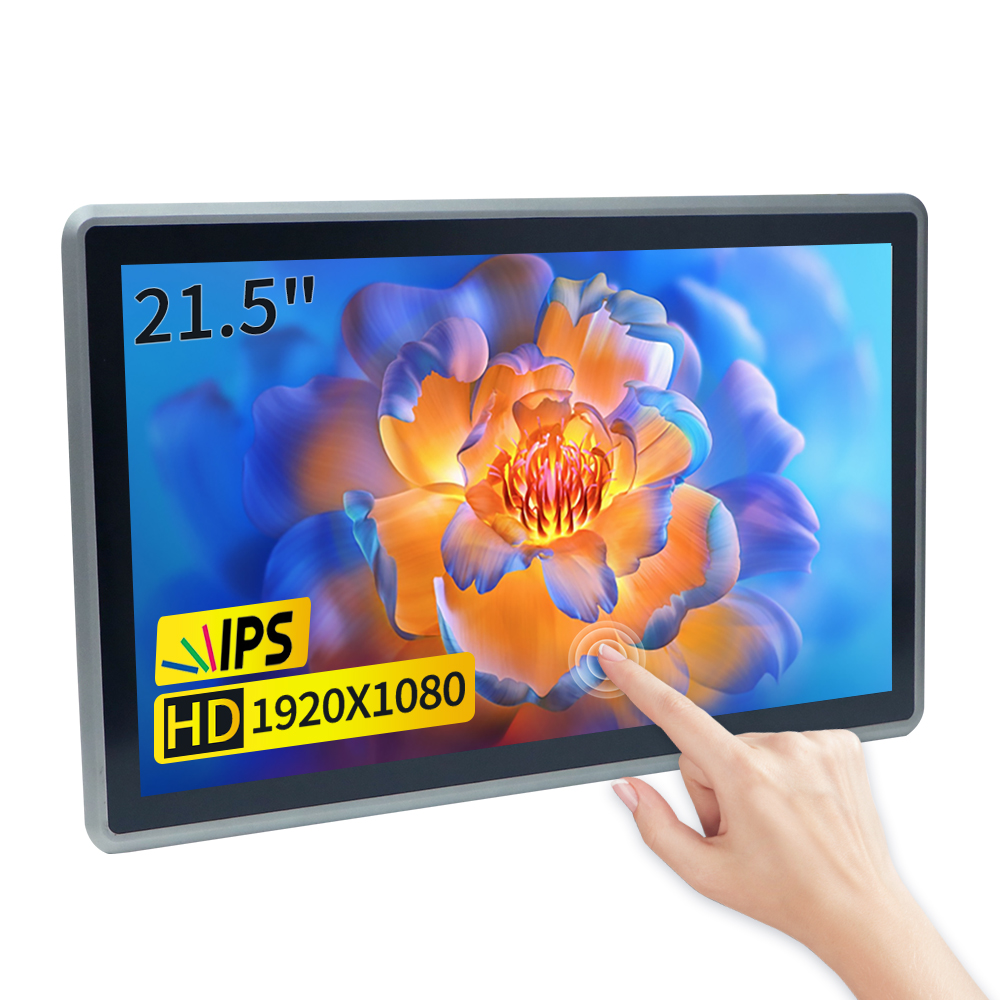
Zintegrowane obliczenia i wyświetlanie: Główne zalety przemysłowych komputerów panelowych w reklamie cyfrowej
Bezproblemowa integracja obliczeń i wyświetlania w jednej trwałe jednostce
Przemysłowe komputery panelowe integrują w jednej solidnej obudowie komponenty komputerowe, ekrany dotykowe i technologię wyświetlania. Gdy wszystko jest zintegrowane w jednej jednostce zamiast w postaci oddzielnych elementów, nie ma potrzeby stosowania wielu kabli. Mniejsza liczba przewodów oznacza mniej miejsc, w których mogą wystąpić problemy, co może zmniejszyć awarie o około 80 procent, jak podaje „Industrial Automation Journal” z zeszłego roku. Takie konstrukcje all-in-one lepiej sprawdzają się w fabrykach i na terenach produkcyjnych, gdzie maszyny są narażone na wibracje. Standardowe konfiguracje komputerowe mają tendencję do rozpadania się, gdy drgania z czasem poluzują połączenia, natomiast komputery panelowe zachowują stabilność przez znacznie dłuższy czas.
Uproszczona implementacja w handlu detalicznym, transporcie i miejscach publicznych
Przemysłowe komputery panelowe doskonale sprawdzają się w miejscach takich jak hale lotniskowe, kioski handlowe czy duże wyświetlacze informacyjne, które widzimy wszędzie wokół. Cała jednostka tworzy kompaktowy zestaw, co znacznie ułatwia instalację w przypadku ograniczonej przestrzeni – wystarczy pomyśleć o tych ciasnych miejscach przy stanowiskach do wydawania biletów czy zatłoczonych stacjach transportu miejskiego. Ostatni raport z 2024 roku dotyczący infrastruktury inteligentnych miast wykazał również coś interesującego. Miasta, które przeszły na te systemy, skróciły czas montażu wyświetlaczy cyfrowych o około 60 procent w porównaniu do starszych rozwiązań modułowych. To ma sens, ponieważ wszystko pasuje idealnie do siebie i nie trzeba rozstawiać wielu różnych komponentów w różnych miejscach.
Przemysłowe komputery panelowe jako niezawodne odtwarzacze multimediów dla dynamicznych wyświetlaczy cyfrowych
Zbudowane do ciągłej pracy 24/7, te systemy posiadają ekrany czytelne w świetle dziennym oraz chłodzenie bezwentylatorowe, zapewniając stabilną wydajność w ekstremalnych temperaturach (-20°C do 60°C). Przemysłowe dyski SSD oraz odporna na wstrząsy konstrukcja umożliwiają nieprzerwane odtwarzanie wideo w rozdzielczości 4K w aplikacjach krytycznych, takich jak komunikaty alarmowe czy aktualizacje dotyczące komunikacji miejskiej.
Wypukła konstrukcja dla wymagających środowisk: Trwałość, która gwarantuje czas działania
Odporność na kurz, wodę i wibracje w przemysłowych i zewnętrznych warunkach eksploatacyjnych
Przemysłowe komputery panelowe są budowane solidnie, by wytrzymać trudne warunki. Urządzenia te zazwyczaj posiadają obudowy o stopniu ochrony IP65 i spełniają standard MIL-STD-810G, dzięki czemu nadal działają poprawnie nawet przy gwałtownych zmianach temperatury, wszędobylskim kurzu czy nagłych wstrząsach mechanicznych. Projekt bezwentylatorowy w połączeniu z uszczelnionymi ekranami dotykowymi pozwala uniknąć przedostania się brudu i zanieczyszczeń do wnętrza urządzenia. Zgodnie z badaniami przemysłowymi opublikowanymi w zeszłym roku, firmy wykorzystujące komputery wytrzymałej konstrukcji zamiast standardowego sprzętu komputerowego odnotowały spadek kosztów utrzymania o około 34%. To ogromna różnica w zatłoczonych węzłach transportowych i głośnych halach fabrycznych, gdzie przestoje przekładają się na realne straty finansowe.
Wydajność w praktyce: Przemysłowe komputery panelowe w węzłach komunikacyjnych i systemach transportowych
Przemysłowe komputery panelowe z czytelnym w słońcu ekranem o jasności 1000 nitów zostały niedawno wdrożone w 120 europejskich stacjach kolejowych, osiągając czas działania na poziomie 99,6% mimo ciągłych wibracji spowodowanych przez pociągi. Działające non-stop, te jednostki posiadają funkcję samogrzania, która zapobiega powstawaniu kondensatu w nieogrzewanych pomieszczeniach, co dowodzi ich większej odporności w porównaniu do konwencjonalnych tablic informacyjnych.
Koszt a trwałość: Ocena zwrotu z inwestycji w wersje przemysłowe tablic informacyjnych
Mimo że przemysłowe komputery panelowe mają o 20–35% wyższy początkowy koszt w porównaniu do ekranów konsumenckich, to ich żywotność wynosząca 7–10 lat – w porównaniu do 2–3 lat dla modeli standardowych – przekłada się na 40% niższy całkowity koszt posiadania (Ponemon Institute 2023). W przemyśle ciężkim operatorzy zgłaszają o 63% mniej awaryjnych wymian dzięki jednostkom z tłumieniem wibracji, co potwierdza, że trwałość bezpośrednio wspiera ciągłość operacji.
Dotyk, niezawodność i łączność: Poprawa jakości obsługi użytkownika i elastyczności systemu
Przemysłowe monitory dotykowe do zastosowań w kioskach i punktach sprzedaży z dużym natężeniem ruchu
Komputery przemysłowe z ekranami dotykowymi pojemnościowymi lub pojemnościowymi projekcyjnymi, które charakteryzują się szybką i precyzyjną reakcją, nawet gdy wiele osób korzysta z nich jednocześnie. Wytrzymałe ekrany potrafią wytrzymać około 10 milionów dotknięć rocznie zgodnie z testami przeprowadzonymi w 2023 roku według norm przemysłowych, co tłumaczy, dlaczego tak dobrze sprawdzają się w miejscach o dużym natężeniu ruchu, takich jak stanowiska check-in w lotniskach, kioski w centrach handlowych czy kasownie stadionowe. Większość modeli posiada również funkcję wielodotykową, pozwalającą użytkownikom zbliżać i oddalać obraz palcami, dokładnie tak jak na smartfonach. A ponieważ ekrany te są wykonane ze szkła odpornego na zarysowania, poddanego obróbce chemicznej, pozostają czytelne i przejrzyste nawet po wielokrotnym przetarciu w trakcie codziennej konserwacji.
Komputery bezwentylatorowe gwarantujące cichą i bezobsługową pracę w miejscach publicznych
Eliminując elementy ruchome, przemysłowe panele operatorskie bez wentylatorów osiągają 99,9% odporności na kurz i działają całkowicie w cicho — co jest istotne w środowiskach wrażliwych na hałas, takich jak biblioteki, muzea czy placówki medyczne. Dzięki średniemu czasowi między awariami (MTBF) przekraczającemu 100 000 godzin, systemy te zmniejszają koszty utrzymania o 35% w porównaniu do tradycyjnych komputerów w rozwiązaniach dostępnych dla szerokiej publiczności.
Wielofunkcyjne wyjścia wyświetlacza (HDMI, DisplayPort, USB-C) do konfiguracji wieloekranowych systemów informacyjnych
Nowoczesne panele operatorskie przemysłowe obsługują jednoczesne przesyłanie wideo w rozdzielczości 4K przez HDMI 2.1, DisplayPort 1.4 i USB-C, umożliwiając tworzenie rozbudowanych ścian wizyjnych bez konieczności stosowania zewnętrznych kontrolerów. Ta elastyczność pozwala detalistom na spójne przekazywanie komunikatów markowych w całym sklepie — przy wejściu, w alejkach i przy kasach — wszystko zarządzane z jednego urządzenia, co upraszcza dystrybucję treści i architekturę systemu.
Sztuczna inteligencja i obliczenia brzegowe: następny etap rozwoju inteligentnych systemów informacyjnych
Kioski z obsługą AI zasilane przez przemysłowe systemy IoT i platformy obliczeń brzegowych
W ostatnich latach przemysłowe komputery panelowe ewoluowały w inteligentne urządzenia brzegowe, które łączą sztuczną inteligencję z technologią internetu rzeczy przemysłowego. Nie są już tylko wyszukanymi odtwarzaczami multimedialnymi oczekującymi na polecenia z chmury. Zamiast tego, przetwarzają informacje tam, gdzie jest to najważniejsze – analizując dane z czujników i kamer w miejscu ich powstawania, bez opóźnień. Zgodnie z najnowszymi raportami branżowymi z początku 2024 roku, kiedy przedsiębiorstwa wdrażają uczenie maszynowe bezpośrednio w swoim sprzęcie, osiągają około 92% dokładność w kontekście trafności treści w zatłoczonych miejscach, takich jak węzły transportowe. Jest to całkiem imponujące w porównaniu do tradycyjnych rozwiązań chmurowych, które pozostają w tyle o około 34% pod względem czasów reakcji. Dla producentów działających w dynamicznych środowiskach, ta lokalna moc obliczeniowa czyni ogromną różnicę w efektywności operacyjnej.
Procesory AI o niskim zużyciu energii umożliwiające analizę danych w czasie rzeczywistym w środowiskach detalicznych
Najnowsze modele wykorzystują procesory takie jak Intel® Core™ Ultra H Series, zapewniając dużą wydajność przy poborze mocy poniżej 25 W. Systemy bezwentylatorowe o mocy obliczeniowej do 2,1 TOPS (tera operacji na sekundę) umożliwiają:
- Dostosowanie treści na podstawie demografii (dokładność rozpoznawania wieku/płci na poziomie 89%)
- Promocje uwzględniające stan magazynowy, zintegrowane z danymi z systemu kasowego
- Komunikaty uruchamiane na podstawie długości kolejki w strefach kasowych
Detaliści wykorzystujący te możliwości napędzane przez sztuczną inteligencję odnotowują 18% większy poziom zaangażowania w porównaniu do statycznych ekranów.
Studium przypadku: Zaawansowana architektura komputerów przemysłowych z ekranem dotykowym dla inteligentnej automatyzacji sprzedaży detalicznej
Popularny model komputera przemysłowego z ekranem dotykowym z procesorami Intel® Core™ z 12. generacji stanowi przykład tego, jak wytrzymała konstrukcja wspiera inteligentne systemy informacyjne. Główne rezultaty to:
- 55% skrócenie czasu aktualizacji treści dzięki przetwarzaniu neuronowemu na urządzeniu
- 99,95% czasu działania w warunkach 24/7 (zakres temperatur od -20°C do 50°C)
- Bezproblemowa integracja z systemami cyfrowego bliźniaka umożliwiająca wizualizację stanu magazynowego w czasie rzeczywistym
Wbudowany silnik Edge AI przetwarza strumienie wideo w rozdzielczości 4K, zapewniając jednocześnie czas reakcji na dotyk poniżej 200 ms, co wzmocnia rolę przemysłowych komputerów panelowych jako kontrolerów wielofunkcyjnych dla inteligentnych systemów informacji cyfrowej.
Innowacje w technologii paneli napędzające nowoczesne systemy informacji cyfrowej
Wyświetlacze nowej generacji: Mini LED, AMOLED i LTPS zapewniające doskonałą jasność i ostrość obrazu
Rynek przemysłowych komputerów panelowych doświadcza poważnych ulepszeń technologii wyświetlania, ponieważ firmy poszukują lepszych rozwiązań w zakresie oznakowania. Podświetlenie Mini LED osiąga jasność rzędu 1500 nitów, co czyni je widocznym nawet na jasnym słońcu na zewnątrz. Tymczasem panele AMOLED oferują niesamowity kontrast rzędu 1 000 000:1, który świetnie sprawdza się w środowiskach sklepowych. Kolejnym rozwiązaniem jest technologia LTPS (Low Temperature Polycrystalline Silicon), która obniża zużycie energii o około 38 procent w porównaniu do standardowych ekranów LCD. Dodatkowo, takie ekrany obsługują częstotliwość odświeżania 120 Hz, co ma ogromne znaczenie przy wyświetlaniu dynamicznie zmieniających się rozkładów jazdy na przystankach autobusowych czy stacjach kolejowych. Wszystkie te innowacje przyczyniają się do ogromnego rozwoju sektora wywieszek cyfrowych. Prognozy branżowe mówią o osiągnięciu wartości niemal 11 miliardów dolarów do końca dekady, głównie z powodu dążenia firm do integrowania funkcji sztucznej inteligencji oraz potrzeby posiadania ekranów o niższym zużyciu energii, które jednocześnie zapewniają wysoki poziom wizualny.
Kompaktne systemy wbudowane umożliwiające szybsze i bardziej wydajne PC z panelami przemysłowymi
Najnowsze modele zapewniają wydajność na poziomie Intel w ciałach, które są o 45% cieńsze w porównaniu z tym, co widzieliśmy w 2020 roku. Te systemy bez wentylatorów świetnie działają nawet wtedy, gdy temperatura spada poniżej zera do minus 30 stopni Celsjusza lub wzrasta aż do 70 stopni. Mogą obsługiwać jednocześnie cztery oddzielne wyświetlacze 4K za pośrednictwem portów USB4 i połączeń HDMI 2.1. Ale naprawdę wyróżnia się wbudowana moc przetwarzania Edge AI. Wystarczy 15 watów, aby analizować tłumy w czasie rzeczywistym, więc znaki lotniskowe automatycznie się dostosowują w zależności od liczby osób. Nie ma potrzeby kosztownych serwerów chmurowych, ponieważ wszystko dzieje się na miejscu.
Często Zadawane Pytania (FAQ)
Czym są komputery przemysłowe zintegrowane?
Przemysłowe komputery komputerowe to solidne urządzenia komputerowe, które integrują komponenty komputerowe, ekrany dotykowe i technologie wyświetlania w jedną jednostkę, zaprojektowane tak, aby wytrzymać trudne środowiska i ciągłą pracę.
Dlaczego w sygnalizacji cyfrowej używane są przemysłowe panele PC?
Przemysłowe panele PC są stosowane w sygnalizacji cyfrowej ze względu na ich trwałość, zdolność do wytrzymania ekstremalnych warunków i płynną integrację komponentów komputerowych i wyświetlaczy, oferując niezawodną wydajność w aplikacjach o kluczowym zna
W jaki sposób przemysłowe panele komputerowe przyczyniają się do elastyczności systemu?
Przemysłowe komputery komputerowe z panelami przyczyniają się do elastyczności systemu poprzez obsługę wielu jednoczesnych wyjściów wyświetlaczy (takich jak HDMI, DisplayPort, USB-C) i zapewniają niezawodną funkcjonalność dotykową w przypadku interakcji z dużym
Jakie innowacje technologiczne wpływają na przyszłe oznakowanie cyfrowe?
Innowacje takie jak technologie Mini LED, AMOLED i LTPS, wraz z systemami osadzonymi z możliwościami przetwarzania AI, wpływają na przyszłe sygnalizacje cyfrowe, oferując lepszą jasność, jasność i efektywne zużycie energii.
Spis treści
- Zintegrowane obliczenia i wyświetlanie: Główne zalety przemysłowych komputerów panelowych w reklamie cyfrowej
- Wypukła konstrukcja dla wymagających środowisk: Trwałość, która gwarantuje czas działania
-
Dotyk, niezawodność i łączność: Poprawa jakości obsługi użytkownika i elastyczności systemu
- Przemysłowe monitory dotykowe do zastosowań w kioskach i punktach sprzedaży z dużym natężeniem ruchu
- Komputery bezwentylatorowe gwarantujące cichą i bezobsługową pracę w miejscach publicznych
- Wielofunkcyjne wyjścia wyświetlacza (HDMI, DisplayPort, USB-C) do konfiguracji wieloekranowych systemów informacyjnych
-
Sztuczna inteligencja i obliczenia brzegowe: następny etap rozwoju inteligentnych systemów informacyjnych
- Kioski z obsługą AI zasilane przez przemysłowe systemy IoT i platformy obliczeń brzegowych
- Procesory AI o niskim zużyciu energii umożliwiające analizę danych w czasie rzeczywistym w środowiskach detalicznych
- Studium przypadku: Zaawansowana architektura komputerów przemysłowych z ekranem dotykowym dla inteligentnej automatyzacji sprzedaży detalicznej
- Innowacje w technologii paneli napędzające nowoczesne systemy informacji cyfrowej
- Często Zadawane Pytania (FAQ)