 EN
EN

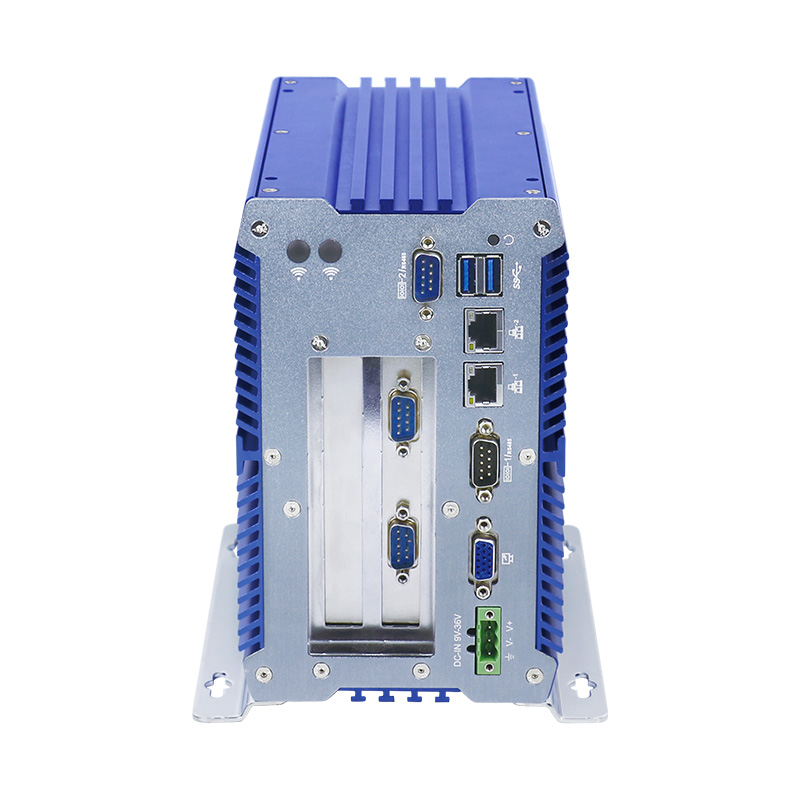
In the era of edge computing, cloud integration, and ever-growing data storage demands, data centers—whether enterprise-scale facilities or small on-premise server rooms—face a universal challenge: maximizing computing power while minimizing physical footprint. The 1U server has emerged as the definitive space-saving solution for this dilemma, redefining how businesses design and scale their data center infrastructure. As a staple of rack-mount server hardware, the 1U server leverages a compact, standardized form factor to deliver robust processing, storage, and networking capabilities within a mere 1 inch of rack space. Far more than just a "small server," it is engineered for density, efficiency, and scalability, making it ideal for data centers of all sizes, colocation facilities, and edge computing deployments where space is a premium resource. This deep dive explores why the 1U server stands out as a game-changing space-saving data center solution, and how its design and performance attributes align with modern data center needs.
What Is a 1U Server? Understanding the Form Factor
The term "1U" refers to the standard rack unit measurement—1 rack unit equals 1.75 inches of vertical rack space—and the 1U server is the slimmest standard rack-mount server available, built to fit this minimal footprint. Unlike tower servers or larger 2U/4U rack servers that consume significant vertical space, the 1U server is a low-profile, horizontal unit designed for dense rack stacking. Its compact chassis houses all core server components—processors, RAM, storage drives, network interfaces, and power supplies—engineered to be space-efficient without compromising on essential functionality.
This standardized form factor is a key advantage: 1U servers fit seamlessly into industry-standard 19-inch server racks, allowing data center operators to stack dozens of units vertically to create high-density computing clusters. For small and medium-sized businesses (SMBs) with limited on-premise server room space, or large data centers aiming to optimize floor and rack usage, the 1U server’s form factor eliminates wasted space and unlocks vertical scalability.
Core Space-Saving Benefits for Data Center Infrastructure
The 1U server’s primary value lies in its ability to transform data center space efficiency, with benefits that extend beyond just reduced physical footprint to drive operational and cost efficiencies as well.
- High-Density Computing: Stacking multiple 1U servers in a single rack creates a high-density computing environment, where a single 42U rack can house up to 42 1U servers—delivering massive processing and storage capacity in a single rack footprint that would otherwise hold just a handful of tower servers. This density is critical for colocation facilities, where businesses pay for rack space by the unit, and for enterprise data centers looking to expand capacity without building additional physical space.
- Optimized Cooling and Power: The compact design of the 1U server streamlines data center cooling and power distribution. Dense 1U server racks can be cooled with targeted rack-based cooling systems, reducing the need for energy-intensive facility-wide cooling and cutting down on power consumption. Most 1U servers also feature low-power, high-efficiency components, aligning with green data center initiatives to reduce energy use and carbon footprint.
- Flexible Rack Layouts: The small form factor of the 1U server allows for flexible data center rack design, with the ability to mix and match 1U servers with other rack-mount hardware (switches, storage arrays, power distribution units) to create a customized, space-efficient infrastructure. This flexibility is ideal for edge data centers, which are often housed in small, remote locations with strict space constraints.
Performance and Scalability: No Compromise on Power
A common misconception about the 1U server is that its compact size translates to compromised performance—but modern 1U servers are engineered to deliver enterprise-grade processing and scalability, matching the performance of larger server form factors in a smaller package.
1U servers are equipped with high-performance Intel Xeon or Core processors, support for large-capacity ECC RAM (error-correcting code memory) for reliable data processing, and multiple hot-swappable SSD/HDD bays for scalable storage. They also feature redundant network interfaces (1G/10G Ethernet) and optional redundant power supplies, ensuring high availability and fault tolerance—critical for mission-critical data center workloads like web hosting, cloud computing, database management, and edge data processing.
Scalability is another strength: 1U servers support horizontal scaling, where additional units are added to the rack to increase computing capacity. This "scale-out" model is far more space-efficient than the "scale-up" model of upgrading larger servers, as it allows businesses to add capacity incrementally without consuming extra rack space unnecessarily. For growing businesses, this means scaling data center infrastructure at a pace that aligns with their needs, without overinvesting in physical space or hardware.
Ideal Use Cases for 1U Servers in Modern Data Centers
The 1U server’s space-saving design and robust performance make it suitable for a wide range of data center use cases, across industries and business sizes:
- SMB On-Premise Data Centers: For small businesses with limited server room space, 1U servers deliver all the computing and storage needed for daily operations—file sharing, email hosting, small-scale database management—without occupying valuable floor space.
- Colocation Facilities: Colocation providers offer rack space by the U, making 1U servers the most cost-effective choice for businesses that outsource their data center needs, as they minimize space costs while maximizing computing capacity.
- Edge Data Centers: Edge computing deployments require compact, powerful servers in remote locations (retail stores, manufacturing plants, logistics hubs), and the 1U server’s small form factor and rugged design make it perfect for these space-constrained edge environments.
- High-Density Cloud and Web Hosting: Cloud providers and web hosting companies rely on 1U servers to build high-density server clusters, delivering reliable, scalable hosting services to thousands of users from a single rack.
Why the 1U Server Is a Future-Proof Data Center Solution
As data volumes continue to grow and data center space becomes an increasingly scarce resource, the 1U server’s space-saving design positions it as a future-proof solution for modern data center infrastructure. Its compatibility with industry-standard rack hardware ensures seamless integration with existing and future data center equipment, while its support for the latest processors, storage technologies, and networking standards means it can adapt to evolving computing demands.
Additionally, the 1U server aligns with the global shift toward energy-efficient and sustainable data centers. Its low-power components and optimized cooling requirements reduce energy consumption and operational costs, making it a socially and economically responsible choice for businesses looking to build green data center infrastructure.
In conclusion, the 1U server is more than just a space-saving data center solution—it is a versatile, high-performance, and scalable hardware platform that addresses the core challenges of modern data center design. By delivering enterprise-grade computing power in a minimal footprint, it enables businesses of all sizes to optimize their data center space, reduce operational costs, and scale their infrastructure to meet the demands of the digital age. For any data center looking to maximize efficiency without compromising on performance, the 1U server is the ultimate space-saving choice.