 EN
EN

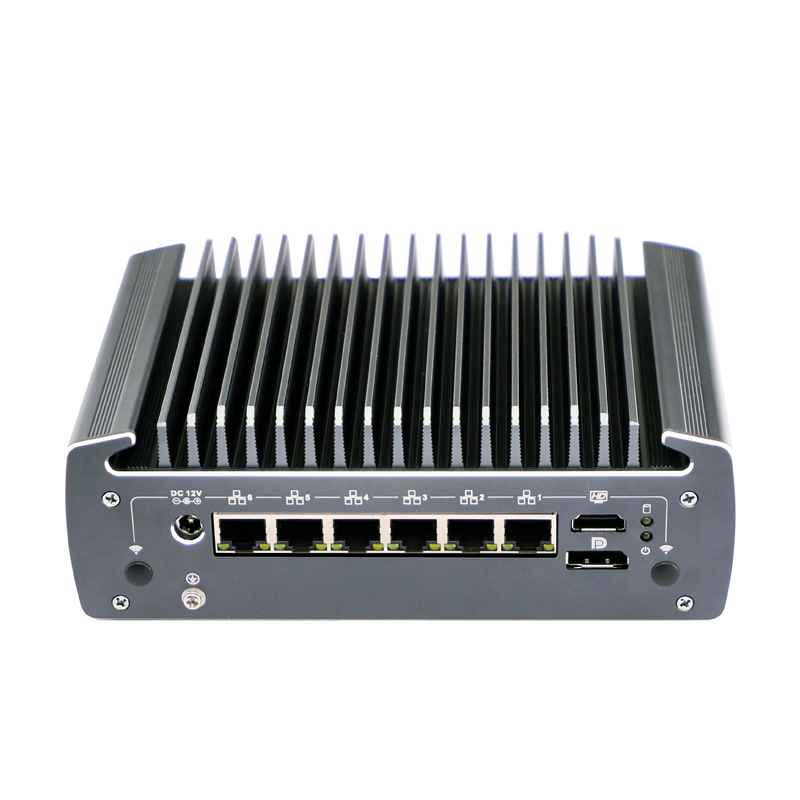
What Is a Firewall Appliance and Why It Matters for Network Security
Defining the Firewall Appliance in Modern Cybersecurity
Firewall appliances come in both hardware and software forms, serving basically as security checkpoints between our internal networks and whatever comes from outside sources. Software versions get installed directly onto computers, but hardware appliances work differently they sit right at the edge of the network where all traffic passes through first. They check out each data packet coming in, looking at things like packet filters and access control lists to decide what gets through. The way these systems function depends entirely on pre-set rules that tell them which traffic to block and which to let pass. Many newer models now pack extra features too, including intrusion prevention systems and built-in support for virtual private networks. Because of this expanded functionality, most companies today consider these appliances a must-have part of any serious security setup rather than just an optional add-on.
How Firewall Appliances Protect Against Common Cyber Threats
Firewall appliances act as the first line of defense against all sorts of cyber threats like DDoS attacks, malware infections, and people trying to get in where they don't belong. These systems use stateful inspection tech to keep an eye on ongoing network connections and spot anything suspicious. Meanwhile, deep packet inspection looks inside data packets to find hidden malicious code or other bad stuff. When companies set up their networks with different security zones, such as keeping guest Wi-Fi separate from servers holding sensitive information, they actually make themselves much harder targets for hackers. The numbers back this up too. A study by the Ponemon Institute found that businesses with physical firewall hardware experienced around 37 percent fewer costs related to security breaches than ones that only used software solutions. That's pretty significant when we're talking about protecting valuable digital assets.
Ensuring Data Confidentiality, Integrity, and Availability
Firewall appliances help maintain the core security principles of confidentiality, integrity, and availability. They do this through several methods including encrypting important data as it moves across networks using secure VPN connections, checking packets to make sure they haven't been altered along the way, and making sure critical business applications get priority access to network resources when there are sudden traffic surges. These security measures aren't just good practice either. They actually meet requirements set forth by major regulations such as GDPR and HIPAA. Plus, businesses can count on their operations continuing smoothly even when faced with cyber threats or attacks because of these built-in protections.
Core Technologies Powering the Firewall Appliance
Packet Filtering and Access Control Mechanisms
Firewall devices at the network level examine data traffic according to specific rules that look at where packets come from (source IP), where they're going (destination IP), along with port numbers and protocol types. The detailed filtering process stops unwanted intrusions but still lets valid communications pass through. Take SSH access for instance it's often limited only to certain IP addresses assigned to IT staff members. A recent report from the Ponemon Institute found that companies implementing tight packet filtering saw a drop of around 63% in unauthorized access attempts when compared against standard security measures. Of course, these results depend heavily on proper configuration and regular updates.
Stateful Inspection: Monitoring Active Connections in Real Time
Stateful inspection works differently than basic packet filtering because it actually keeps track of what's happening with open connections. The system makes sure that any packet coming in really matches up with something that was requested going out first. This helps stop those sneaky IP spoofing attempts since the firewall checks both directions of communication. Take a look at how this plays out practically: when someone inside the network starts downloading a file, the firewall will let through only responses from the specific server they asked for. Everything else gets blocked, including any random traffic that wasn't part of the original request. That kind of selective approach makes networks much more secure against various attack vectors.
Deep Packet Inspection in Next-Generation Firewall Appliances
Modern firewall systems come equipped with something called deep packet inspection, or DPI for short. What makes these different from older models is that they don't stop at looking at basic packet information. Instead, they actually check out the data inside each packet too. This capability helps spot malicious software hiding within encrypted web traffic, catch those sneaky SQL injection tries, and even notice suspicious activity patterns that might indicate new types of attacks nobody's seen before. According to Gartner research from last year, around four out of five companies using firewalls with DPI turned on managed to block credential stuffing attacks before any real damage happened. That's pretty impressive when considering how common such attacks have become across industries.
Types of Firewalls and the Evolution to Next-Generation Firewall Appliances
Traditional Firewalls: Packet Filtering, Stateful, and Proxy Models
Most traditional firewall systems work through three main approaches. The first is packet filtering, where the firewall checks out network headers against predefined rules to decide what gets through. Then there's stateful inspection, which keeps track of active connections so it can tell the difference between normal traffic and suspicious activity. Proxy-based firewalls take things a step further by sitting between users and the internet, basically acting like middlemen who check every request at the application layer before passing anything along. According to a study from Ponemon Institute back in 2023, these basic firewall setups manage to stop around 86% of those annoying brute force attacks and other unauthorized access attempts in straightforward network setups.
Application-Layer Firewalls and Their Security Advantages
Application-layer firewalls go beyond transport-level checks by analyzing HTTP/S requests, SQL queries, and API calls. They enforce protocol compliance and detect anomalies in session behavior, reducing credential-stuffing attacks by 42% and cross-site scripting (XSS) vulnerabilities by 67%.
What Is a Next-Generation Firewall Appliance?
Next-generation firewall appliances (NGFWs) combine deep packet inspection, machine learning, and signature-based detection to counter sophisticated threats. Key features include encrypted traffic analysis, automated threat correlation across cloud and on-premises systems, and fine-grained policy enforcement for IoT devices. NGFWs mitigate zero-day exploits 3.8 times faster than traditional firewalls.
Are Traditional Firewalls Still Effective in 2024?
While traditional firewalls remain suitable for small or low-risk networks, they fail to detect 74% of modern threats such as fileless malware and HTTPS-encapsulated ransomware (Ponemon 2023). To bridge this gap, many organizations now deploy hybrid models that integrate legacy hardware with NGFW threat intelligence platforms, balancing security and cost efficiency.
Firewall Appliance Operation Across the OSI Model
Network and Transport Layer Protection: The Foundation of Filtering
Most firewall appliances work primarily at OSI Layers 3 (Network) and 4 (Transport), layers where according to recent studies around 90-95% of all cyber attacks start. These devices check things like IP addresses, open ports, and what kind of network protocol is being used, then decide whether to let traffic through or not based on strict rules. The stateful inspection feature takes security one step further by keeping track of ongoing connections, say for web browsing or voice over IP calls, so it can spot when something doesn't quite match up or looks suspicious. This kind of protection stops common attack methods like scanning for open ports, overwhelming servers with connection requests, and fake IP addresses before they ever get close to important company data and systems.
Application-Layer Awareness in Advanced Firewall Appliances
Next generation firewalls go beyond traditional security by looking at what happens at OSI Layer 7. These systems can analyze things like HTTP headers, encrypted traffic using SSL/TLS, and even inspect data sent through APIs. What makes them really effective is their ability to read specific application protocols such as SQL databases or file sharing protocols like SMB. This helps spot bad stuff hiding in plain sight within normal looking traffic. Deep packet inspection works from a massive database containing around 12 thousand different threat signatures which gets refreshed every single hour. While no system is 100% foolproof, these NGFWs managed to block about 94% of sophisticated threats that manage to get past regular firewall defenses according to recent tests from MITRE Engenuity in 2024. Considering that almost two thirds of all security breaches today are aimed directly at web applications as reported by Verizon's Data Breach Investigations Report for 2023, having this kind of granular level protection has become absolutely essential for modern businesses.
Hardware Firewall Appliance vs Software Firewalls: Why Dedicated Wins
Performance, Reliability, and Security of Dedicated Hardware
Hardware firewall appliances generally perform better than their software counterparts, handling around 18 Gbps of data per second versus just 2 to 5 Gbps for software solutions according to Ponemon's 2024 report. This makes them particularly valuable for companies dealing with massive amounts of sensitive information like financial records or medical files. These devices rely on special chips called ASICs that let them check network traffic much faster than regular processors can manage. Real world testing shows these hardware firewalls stay online about 99.96% of the time in big business environments as noted by CyberRisk Alliance in 2023. The reason? They keep all security operations separate from the main computer system, so even when there are sudden cyberattacks or accidental misconfigurations, the firewall keeps running smoothly without affecting other parts of the network.
Scalability and Centralized Management for Enterprise Networks
Firewall hardware appliances make managing big networks much easier when they're spread out over different locations. They help keep security policies consistent throughout the whole system and cut down on configuration mistakes quite a bit - IBM reports around an 81% reduction in errors from their studies back in 2024. Companies that run operations with thousands of devices actually end up saving something like 1,400 work hours every year just by automatically updating rules and pushing out new firmware versions without manual intervention. When looking at mixed setups involving both traditional servers and cloud services, the best quality firewalls can match security settings between all these different parts of the network while still keeping response times super fast, below 2 milliseconds even when traffic spikes suddenly increase ten times what's normal during peak periods.
FAQ
What is a firewall appliance?
A firewall appliance is a device that acts as a security checkpoint between internal networks and external sources, available in both hardware and software forms. It checks data packets and decides based on pre-set rules which packets to let through and which to block.
Why are firewall appliances important for cybersecurity?
Firewall appliances are crucial as they act as the first line of defense against cyber threats like DDoS attacks and malware infections, ensuring confidentiality, integrity, and availability of data while complying with regulations like GDPR and HIPAA.
How do hardware firewall appliances differ from software firewalls?
Hardware firewall appliances generally handle data more efficiently than software firewalls, offering better performance, reliability, and scalability, especially for large enterprise networks handling sensitive information.
Are traditional firewalls still effective in modern cybersecurity?
While traditional firewalls are still useful for small or low-risk networks, they often fail to detect newer threats. Next-generation firewalls, which integrate legacy hardware with advanced threat intelligence, are recommended for comprehensive security.
Table of Contents
- What Is a Firewall Appliance and Why It Matters for Network Security
- Core Technologies Powering the Firewall Appliance
- Types of Firewalls and the Evolution to Next-Generation Firewall Appliances
- Firewall Appliance Operation Across the OSI Model
- Hardware Firewall Appliance vs Software Firewalls: Why Dedicated Wins
- FAQ