 EN
EN

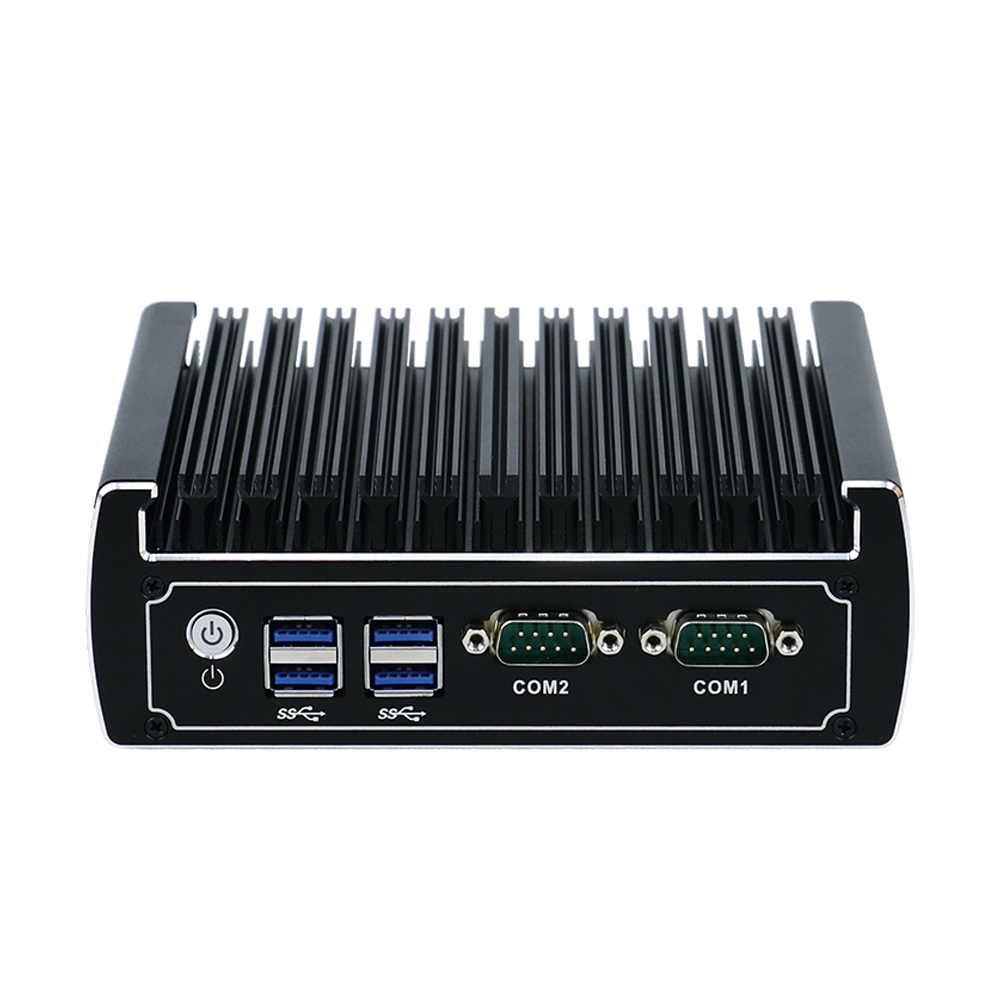
The Role of Industrial PC in Modern Automation Systems
Industrial PCs, or IPCs for short, form the core computing element behind today's industrial automation setups. These machines bring together durable hardware components with serious processing muscle to tackle those complicated control jobs that keep factories running smoothly. What sets them apart from regular old PLCs is how they pack several different capabilities into one box real time process control, gathering data from all sorts of sources, plus handling those HMI displays operators need to see what's going on. The latest generation of IPCs can watch production lines nonstop day after day because they connect directly to sensors and actuators across the plant floor. Some models can manage upwards of 5,000 input/output points at once while still responding to commands in less than a millisecond flat. That kind of speed makes all the difference when things start happening fast on the factory floor.
A significant industry shift is occurring as 62% of manufacturers now deploy PC-based control architectures instead of standalone PLCs, according to the 2024 Industrial Automation Report. This transition allows facilities to run machine vision algorithms alongside PLC logic on the same industrial PC, reducing system complexity by 40% compared to traditional setups.
A major European automaker recently put industrial PCs to work coordinating their production line with 12 robotic welding stations alongside 8 quality inspection cameras throughout the assembly process. What they found was remarkable the PC system cut down delays between these stations by almost three quarters, around 83% actually. More importantly, it allowed them to make adjustments on the fly when parts varied slightly from specifications. Looking at this case shows why industrial computers are becoming so vital in connecting shop floor operations with corporate IT systems. These hybrid setups aren't just theoretical anymore they're laying groundwork for what we call Industry 4.0 across manufacturing plants worldwide.
Rugged Design and Environmental Resilience of Industrial PCs
Key rugged features: IP65/NEMA4 sealing, wide temperature tolerance, vibration resistance
Industrial PCs are built tough to handle rough working conditions. They come with sealed enclosures rated at IP65 or NEMA4 standards, which means they keep out dust, water, and other particles. This matters a lot in places like meatpacking facilities or auto repair shops where stuff gets thrown around all day long. The mounting systems inside these machines can take quite a beating too. They stay intact even after experiencing vibrations between 5 to 50G forces, so they work reliably right next to big machines that shake the floor. Regular desktop computers just don't cut it here. Most have those plastic cases with vents that let air flow through but also invite trouble. Industrial versions skip the fans altogether and go for solid aluminum frames instead. This design choice removes common failure spots that plague standard computer hardware.
Operating reliably in extreme conditions: -20°C to 60°C and beyond
The systems make use of industrial strength parts that can handle way hotter and colder conditions than what's standard for regular equipment. Capacitors work just fine whether they're sitting in a warehouse that's freezing cold at minus 20 degrees Celsius or inside a steel mill control room pushing over 60 degrees. This kind of heat tolerance means these devices can be used on mobile oil platforms and in foundries where temps jump around all the time. For cold chain logistics too, rugged mobile computers keep running smoothly even when moving between super cold storage at minus 30 degrees and warm environments up to 40 degrees as cargo ships cross oceans.
Data: 87% of industrial PCs operate reliably under harsh industrial conditions (ARC Advisory Group)
Industrial PCs have proven their toughness according to recent research findings. The ARC Advisory Group found that around 87 percent of these machines keep working well even when faced with vibrations, moisture buildup, and dust particles floating around them. This kind of dependable performance means fewer interruptions for factory equipment, which matters a lot in plants running nonstop since every hour lost costs upwards of fifty thousand dollars. Looking at the numbers makes it clear why industrial computers stand out so much compared to regular desktops. While standard PCs typically last about thirty thousand hours before needing repair under harsh conditions, industrial models often run for over one hundred thousand hours straight without breaking down.
Industrial PC vs Commercial PC: Reliability and Long-Term Value in Automation
Durability and 24/7 Operational Reliability in Industrial Environments
Industrial PCs are simply better than regular desktop computers because they're built tough enough to handle all sorts of harsh conditions. We're talking about environments filled with dust, moisture, extreme temperatures ranging from -20°C right up to 60°C, plus constant vibrations that would break normal equipment. Most commercial grade PCs don't last long at all when placed on factory production lines, often giving up the ghost within just a few months. Industrial models keep running reliably despite all this punishment though. These machines come equipped with backup power sources, solid state drives instead of traditional hard disks, and special cooling systems that don't rely on fans. This matters a lot in places like car manufacturing plants or chemical processing facilities where unexpected shutdowns can cost companies over seven hundred forty thousand dollars every single hour according to research from Ponemon Institute back in 2023.
Cost Analysis: Higher Upfront Cost vs. Long Lifecycle and Lower TCO
Industrial PCs do come with a higher price tag upfront, usually costing two to three times what standard computers would cost. But look at the bigger picture and these machines last anywhere from five to ten years or more, which really cuts down on those ongoing expenses. Most manufacturers keep spare parts in stock for about ten years, so there's no need to replace everything every three or four years like with regular computer systems. Many factory managers have seen their overall costs drop by around 40% over seven years because they don't have to constantly swap out hardware, deal with production delays during replacements, or go through the whole software validation process again and again. For companies looking to implement Industry 4.0 technologies, having reliable control systems that won't need replacing anytime soon becomes absolutely critical. The longer lifespan means fewer disruptions and better return on investment in the long run.
Integration of Industrial PC with Automation Software and Industrial Networks
Seamless integration with automation software: SCADA, HMI, and motion control
Industrial PCs form the foundation of today's automated factories by bringing together several key components. They connect SCADA systems that monitor entire plants, HMIs which let operators interact with machines easily, and motion control software that keeps all the equipment working together precisely. These computers have powerful multi-core processors capable of handling critical jobs such as mapping out robot movements at the same time they send information to larger business systems. This dual capability means factory managers can optimize operations across the board without worrying about delays or slowdowns in data processing.
Connecting to industrial networks: EtherCAT, Ethernet/IP, Modbus TCP/IP
The ability to work with different protocols means most industrial PCs can talk to around 94% of field devices through real time networks these days. Take EtherCAT for example it can handle motion control cycles down to 250 microseconds which is pretty impressive. Meanwhile Modbus TCP/IP still works well with older equipment from years back. According to a recent industry report from last year, factories that switched to Ethernet/IP with their industrial computers saw about a third fewer communication problems than those stuck with old gateway systems. The reason? These newer setups route data in a much more predictable way, making everything run smoother on the factory floor.
Bridging IT and OT for smarter, data-driven manufacturing
By converging IT and OT networks, industrial PCs enable secure bidirectional data flows between factory equipment and cloud platforms. This integration supports predictive maintenance algorithms that analyze vibration signatures and thermal patterns, reducing unplanned downtime by up to 52% in smart manufacturing implementations.
Edge computing with industrial PCs for real-time data processing
Industrial PCs equipped with edge computing can handle vision system data right on site, processing it about 2.5 times quicker compared to traditional cloud-based systems according to tests in pharmaceutical inspections. These machines leverage powerful GPUs to spot tiny flaws in tablets within just 8 milliseconds. At the same time they manage to shrink down the data packages sent back for AI training purposes. This setup gives manufacturers instant feedback on product quality while still contributing valuable information for improving manufacturing processes over time.
Industrial PC Applications in Industry 4.0, Manufacturing, and Robotics
Robot Control, Machine Guidance, and Sensor Data Collection in Automation
Industrial PCs (IPCs) serve as the computational backbone for robotic systems, handling real-time motion control algorithms and processing sensor data from vision systems, lidar, and torque sensors. This enables robotic arms to perform submillimeter-precision tasks in automotive welding lines and packaging facilities while maintaining cycle times under 0.5 seconds.
Smart Manufacturing and Industry 4.0: The Role of Industrial PCs in Digital Transformation
IPC systems connect the IT world with operational tech in smart factories, making it possible to optimize how production actually works based on real data. A recent look at Industry 4.0 adoption shows that around three out of four smart factories are already running IPCs for edge analytics these days. These systems take all sorts of machine data like vibrations from equipment and heat images, then turn them into warnings about potential maintenance issues before something breaks down completely. The results speak for themselves too many plants report cutting unexpected stoppages by nearly half when they implement this kind of system, which is huge news for manufacturers dealing with fast paced production lines where every minute counts.
Case Study: Semiconductor Fabrication Plant Using IPCs for Precision Process Control
A leading semiconductor manufacturer deployed IPCs across its 300mm wafer production line, achieving 99.998% process stability through real-time analysis of 15,000+ data points per tool. The IPC network coordinates robotic material handlers, plasma etch systems, and metrology tools while maintaining Class 1 cleanroom compliance through filtered fanless cooling.
Scalability and Future-Proofing Automation Systems With PC-Based Architectures
Modern IPCs support modular expansion through PCIe/VPX interfaces, allowing manufacturers to incrementally upgrade machine vision capabilities or add 5G wireless modules without replacing entire control systems. This scalability, combined with IEC 62443 cybersecurity compliance, positions PC-based automation to support next-generation applications like digital twin simulation and AI-driven quality inspection.
FAQ
What are Industrial PCs?
Industrial PCs are rugged computing devices designed for controlling and monitoring tasks in automated industrial environments. They integrate process control, data collection, and HMI functionalities.
Why are Industrial PCs preferred over traditional PLCs?
Industrial PCs offer a wide range of capabilities in a single unit, allowing manufacturing facilities to run machine vision algorithms and PLC logic simultaneously, reducing system complexity significantly compared to traditional setups.
How do Industrial PCs maintain reliability in harsh environments?
Industrial PCs are built with rugged designs and are equipped with powerful hardware components to withstand extreme temperatures, vibrations, moisture, and dust, ensuring reliability in demanding industrial environments.
What role do Industrial PCs play in Industry 4.0?
Industrial PCs act as the backbone of smart factories, enabling seamless integration between IT and OT systems. They support edge computing, predictive maintenance, real-time data processing, and facilitate the digital transformation required in Industry 4.0.
Can Industrial PCs be integrated with existing industrial systems?
Yes, Industrial PCs can seamlessly integrate with SCADA, HMI, and motion control systems, and can connect to various industrial networks like EtherCAT, Ethernet/IP, and Modbus TCP/IP for optimal communication with field devices.
Table of Contents
- The Role of Industrial PC in Modern Automation Systems
- Rugged Design and Environmental Resilience of Industrial PCs
- Industrial PC vs Commercial PC: Reliability and Long-Term Value in Automation
- Integration of Industrial PC with Automation Software and Industrial Networks
-
Industrial PC Applications in Industry 4.0, Manufacturing, and Robotics
- Robot Control, Machine Guidance, and Sensor Data Collection in Automation
- Smart Manufacturing and Industry 4.0: The Role of Industrial PCs in Digital Transformation
- Case Study: Semiconductor Fabrication Plant Using IPCs for Precision Process Control
- Scalability and Future-Proofing Automation Systems With PC-Based Architectures
- FAQ