 EN
EN

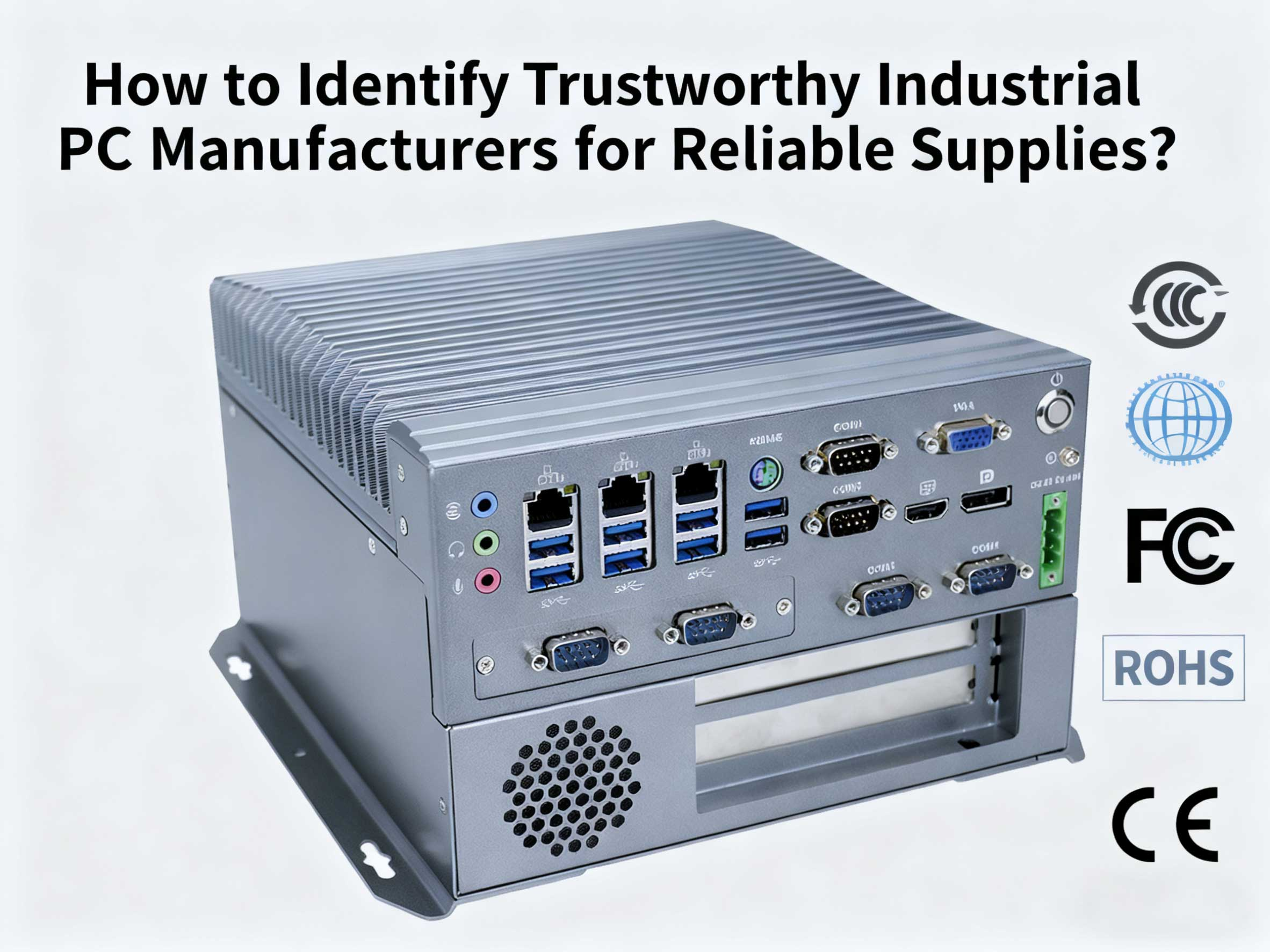
Understand Your Industry-Specific Requirements and Match Them to Manufacturer Expertise
As automation and IoT continue to take hold across industries, there's been a real spike in need for industrial PC makers who actually get what different sectors require. The thing is, no two work environments are the same. Equipment that thrives on spotless factory floors just doesn't cut it when deployed in mines where dust is everywhere or transport settings plagued by constant vibrations. Getting this right means matching specs such as how tough the hardware needs to be, its physical size constraints, and how efficiently it uses power to exactly what the job demands. These factors aren't just nice to have they're absolutely critical if systems are going to stay reliable under real world conditions.
Phenomenon: Rising demand for specialized industrial PC manufacturers in automation and IoT
Industrial automation and IoT deployments grew by 18% year-over-year (IoT Analytics 2023), driving need for purpose-built computing solutions rather than repurposed commercial gear.
Principle: Aligning industrial PC capabilities with application environments (e.g., ruggedness, size, power efficiency)
Selecting industrial PCs requires matching hardware capabilities to environmental stressors. For harsh settings, prioritize wide temperature tolerance (-40°C to 85°C), shock resistance up to 50G, and fanless designs to prevent contaminant ingress.
Case Study: How leading manufacturers serve distinct sectors like manufacturing, energy, and transportation
Major providers demonstrate how specialization matters: one focuses on manufacturing with real-time control systems, another serves energy with hazardous location certifications, while a third supports transportation with vibration-resistant mounts and extended temperature ranges.
Strategy: Use manufacturer portfolios and industry certifications to shortlist suitable industrial PC manufacturers
When looking at potential suppliers, check if they hold important certifications such as ISO 9001 for quality management systems or specialized ones like ATEX when dealing with explosive environments. Experience matters a lot in this field. A good rule of thumb is that companies which have worked within specific industries tend to understand what problems might come up ahead of time and can provide solutions that meet all necessary compliance requirements. Take a close look at what kind of projects these manufacturers have handled before. Matching their portfolio against what our particular applications need helps find those who actually know their stuff in practice, not just theory.
Evaluate Product Durability and Environmental Protection Standards
Phenomenon: High failure rates due to insufficient protection in harsh industrial environments
Factories and industrial sites are tough on regular computer gear, often causing them to break down way sooner than expected. According to some recent studies (the Industrial Computing Report from last year mentions this), machines without proper protection tend to fail about 40% more frequently compared to those built to handle harsh conditions. Why do these breakdowns happen? Well, think about all the dust getting inside, water damage risks, wild temperature swings, plus electromagnetic interference that regular desktop computers just aren't designed for. When these things go wrong, companies face more than just buying new equipment. There's also lost time when production stops, valuable data that gets wiped out, and ongoing repair bills. All these factors really add up over time, making the overall expense much higher than anyone initially anticipates.
Principle: Prioritize IP ratings, fanless design, wide temperature tolerance, and EMI/EMC compliance
Industrial PCs need to stand up to tough conditions if they're going to last. Take the Ingress Protection ratings for instance. IP65 means they can handle dust and water without issues, which is pretty standard stuff. But when things get really harsh, IP69K comes into play. These ratings protect against those intense pressure washes and hot water jets that many factories use for cleaning. Fanless design is another big plus because it gets rid of all those moving parts that tend to break down over time. Plus, no fans means less dust builds up inside the machine. Most industrial PCs work across a wide temperature range from as cold as -40 degrees Celsius right up to 85 degrees Celsius. That kind of flexibility makes them suitable for almost any environment on earth. And let's not forget about electromagnetic compatibility. Proper EMI/EMC compliance keeps signals clean even in places where there are lots of electrical devices running at once. All these characteristics combine to create computing systems that just keep working, day after day, no matter what challenges come their way.
Case Study: Selecting IP69K-rated industrial PCs for food processing washdown applications
Food and beverage plants deal with daily high pressure washdowns that blast away with harsh chemicals, so equipment needs to stand up to brutal conditions. A major soft drink manufacturer cut down on equipment failures by almost four fifths when they upgraded to industrial PCs rated IP69K specifically designed for these tough washdown environments. These machines kept working even through the toughest cleaning sessions without succumbing to chemical damage or sudden temperature changes. Beyond just saving money on replacements, this switch meant fewer interruptions during critical sanitation periods. What this shows is that matching the right protection level to what actually happens on the factory floor makes all the difference in running operations smoothly and efficiently over time.
Controversy Analysis: Bridging the gap between marketed claims and verified performance of industrial PC manufacturers
There's still a big difference between what industrial PC makers advertise about compliance and how these machines actually perform in the field. Lots of companies tout their compliance with IP ratings, EMI specs, and temperature tolerances, but when someone does real world testing, things don't always match up, particularly after extended periods of operation under tough conditions. The bigger question is whether those certifications were obtained in controlled lab settings instead of situations that truly reflect everyday usage. If organizations want to avoid problems down the road, they need to get hold of independent test results, check the certifications against recognized standards organizations, and run some tests themselves in their specific work environment before rolling out equipment across the board.
Assess Long-Term Support, Warranty, and Total Cost of Ownership
Operational disruptions caused by obsolete models and unavailable spare parts remain a significant challenge in industrial automation. Unplanned downtime can cost manufacturers an average of $260,000 per hour (Ponemon Institute 2023), making long-term support essential when selecting industrial PC manufacturers.
Evaluate Lifecycle Support and Warranty Terms
Top-tier industrial PC manufacturers typically offer product lifecycles of 5–10 years, ensuring continuity of components, firmware updates, and technical assistance. Comprehensive warranties—ranging from 3 to 5 years—help control long-term costs by reducing unplanned repairs and replacements, directly improving total cost of ownership.
Case Study: Downtime Reduction Through Extended Availability
One manufacturer adopted a 10-year availability commitment program, resulting in a 45% reduction in production downtime over three years. By guaranteeing access to spare parts and consistent technical support, this approach demonstrated how strategic partnerships with reliable industrial PC providers lower lifecycle costs—even with higher initial investment.
Compare Service Level Agreements and Responsiveness
When evaluating industrial PC manufacturers, prioritize those offering clear service level agreements (SLAs) with defined response times. Access to 24/7 technical support is critical for maintaining uninterrupted operations in mission-critical environments, especially across global or shift-based facilities.
Validate Reliability Through Reputation, Reviews, and Direct Engagement
Phenomenon: Increasing reliance on peer feedback and B2B platforms to vet industrial PC manufacturers
More and more industrial buyers are turning to peer reviews and B2B marketplaces when evaluating possible suppliers these days. After all, glossy brochures just don't tell the whole story about how reliable a company actually is in practice. What really matters now is what people say about vendors after working with them. A good reputation comes from things like showing up on time with quality products, sticking to ethical business practices, and actually responding when there are problems. This becomes especially important for big projects that stretch out over months or even years where the supplier needs to keep performing consistently without letting standards drop.
Principle: Cross-check credibility via customer testimonials, reseller experiences, and professional networks
When looking to evaluate something properly, it really helps to check different angles and see what various people are saying about it. Customers often leave reviews online that show how happy they are with both the actual product and the service they received. On the flip side, what resellers have to say can reveal a lot about whether the company delivers on time and if there's good support when things go wrong. Industry forums where professionals hang out tend to give honest opinions about how well products hold up over years of use and how quickly problems get fixed. These real world experiences paint a much clearer picture than just reading through those glossy spec sheets that manufacturers love to put together.
Case Study: Uncovering poor post-sale support from a budget supplier through reseller reviews
A factory managed to dodge what could have been an expensive problem when looking at feedback from resellers showed there were serious problems with the after-sales service from their cheap supplier. Even though prices looked good on paper and specs met requirements, several resellers mentioned slow tech support, erratic availability of replacement parts, and poor documentation materials. Catching these red flags ahead of time gave the purchasing team enough warning to switch to another vendor they could actually count on before getting everything set up for production.
Strategy: Conduct trial orders and direct communication tests to assess real-world responsiveness
Small scale testing combined with active involvement remains one of the best methods for checking reliability. When companies place test orders, they get real insight into how good the products actually are, whether packages arrive intact, and if what gets delivered matches what was ordered. Asking questions about technical details through different channels like emails, calls, or online help desks shows just how fast responses come back and reveals how much expertise exists within the team. These practical checks give tangible proof about how mature a manufacturer really is operationally and how serious they take their service obligations. Such assessments help make sure there's proper match between what gets promised and what organizations need for consistent operations and adequate support levels.
FAQ
What factors are crucial when choosing an industrial PC manufacturer?
The most important factors include understanding your industry-specific requirements, ensuring the manufacturer meets ruggedness, size, and power efficiency needs, checking certifications, and prior project success within your industry.
How do industrial environments affect the performance of PCs?
Harsh industrial environments can lead to higher failure rates for PCs due to dust, water, temperature fluctuations, and electromagnetic interference, which conventional devices aren't built to withstand.
Why are IP ratings important for industrial PCs?
IP ratings indicate a device's protection against dust and water. Higher ratings like IP69K are essential for environments needing intense cleaning processes, ensuring devices function correctly in harsh conditions.
How can one validate the manufacturer's reliability?
Check customer testimonials, resellers' experiences, and professional networks. Conduct trial orders and communication tests to gauge responsiveness and reliability in real-world scenarios.
What should be considered regarding long-term support for industrial PCs?
Evaluate lifecycle support and warranty terms, ensuring continuity of components and access to technical assistance to prevent disruptions due to obsolete models and unavailable parts.
Table of Contents
-
Understand Your Industry-Specific Requirements and Match Them to Manufacturer Expertise
- Phenomenon: Rising demand for specialized industrial PC manufacturers in automation and IoT
- Principle: Aligning industrial PC capabilities with application environments (e.g., ruggedness, size, power efficiency)
- Case Study: How leading manufacturers serve distinct sectors like manufacturing, energy, and transportation
- Strategy: Use manufacturer portfolios and industry certifications to shortlist suitable industrial PC manufacturers
-
Evaluate Product Durability and Environmental Protection Standards
- Phenomenon: High failure rates due to insufficient protection in harsh industrial environments
- Principle: Prioritize IP ratings, fanless design, wide temperature tolerance, and EMI/EMC compliance
- Case Study: Selecting IP69K-rated industrial PCs for food processing washdown applications
- Controversy Analysis: Bridging the gap between marketed claims and verified performance of industrial PC manufacturers
- Assess Long-Term Support, Warranty, and Total Cost of Ownership
-
Validate Reliability Through Reputation, Reviews, and Direct Engagement
- Phenomenon: Increasing reliance on peer feedback and B2B platforms to vet industrial PC manufacturers
- Principle: Cross-check credibility via customer testimonials, reseller experiences, and professional networks
- Case Study: Uncovering poor post-sale support from a budget supplier through reseller reviews
- Strategy: Conduct trial orders and direct communication tests to assess real-world responsiveness
-
FAQ
- What factors are crucial when choosing an industrial PC manufacturer?
- How do industrial environments affect the performance of PCs?
- Why are IP ratings important for industrial PCs?
- How can one validate the manufacturer's reliability?
- What should be considered regarding long-term support for industrial PCs?