 EN
EN

Understanding the Role in Modern Infrastructure
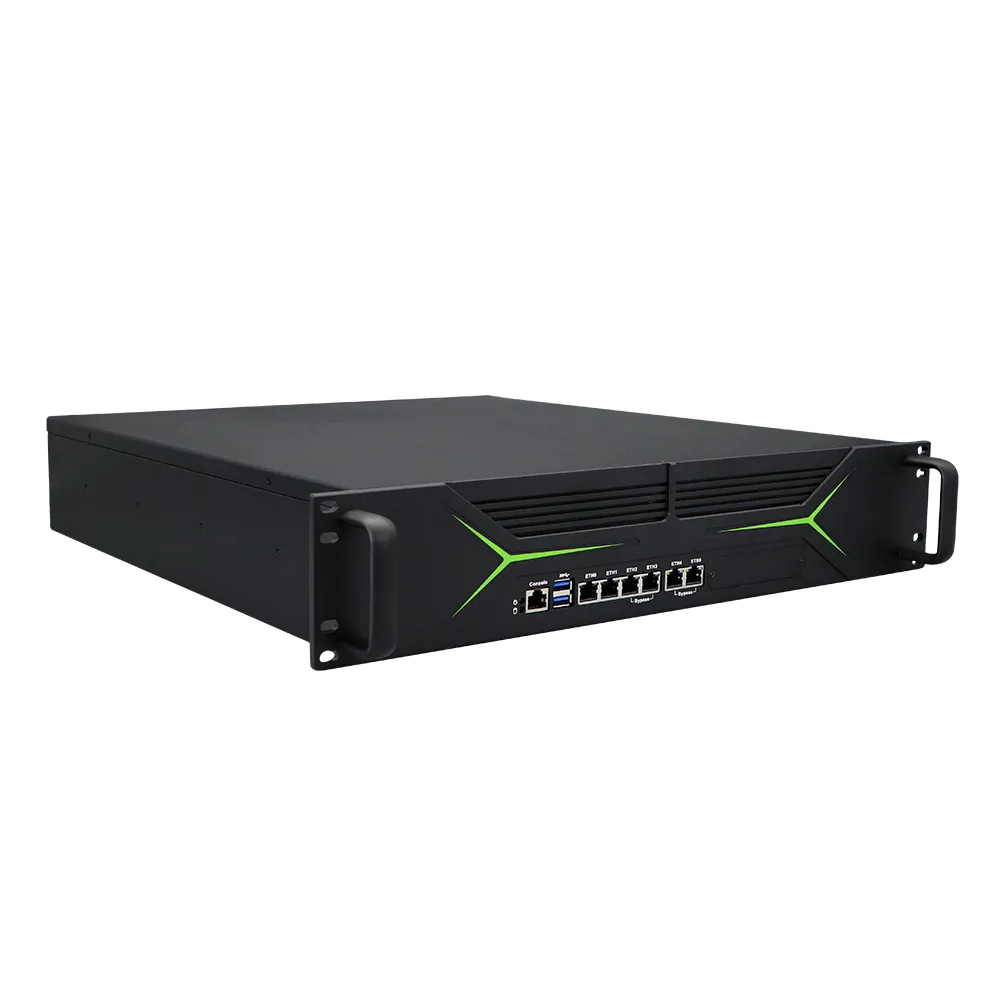
When people think about industrial computing they often picture rugged boxes sitting on factory floors covered in dust. While that is certainly a major use case the application of rackmount industrial PCs has expanded significantly into the realm of network management and data center operations. These machines are designed to fit perfectly into standard server racks which makes them incredibly space efficient while still delivering the robust performance needed for critical tasks. Unlike consumer grade hardware that might fail under constant load these systems are engineered to run twenty four seven without breaking a sweat. The primary advantage here is reliability because when you are managing network traffic or processing security data downtime is simply not an option. Businesses are increasingly turning to these specialized units because they offer a perfect blend of compact form factor and heavy duty processing power. This shift is largely driven by the need to consolidate equipment in smaller spaces without sacrificing the durability required for mission critical environments. By integrating these powerful units into existing infrastructure organizations can streamline their operations and ensure that their network backbone remains stable even during peak usage periods.
Optimizing Space and Thermal Management
One of the biggest challenges in any server room or network closet is managing heat and physical space effectively. Traditional tower servers take up too much floor space and often have inefficient airflow patterns that lead to hot spots. A rackmount industrial PC solves this problem through intelligent design that prioritizes vertical space utilization and superior thermal dynamics. Many of these units feature fanless designs or advanced cooling channels that dissipate heat passively which reduces noise and eliminates moving parts that could fail over time. This is particularly important for network efficiency because overheating components tend to throttle performance or crash unexpectedly. When equipment stays cool it performs consistently and lasts longer which directly translates to better network uptime. Furthermore the standardized sizing allows IT managers to stack multiple units vertically creating a dense computing cluster that maximizes every inch of available rack space. This density is crucial for modern networks where edge computing nodes need to be deployed close to data sources without requiring massive dedicated facilities. The ability to pack significant processing power into a slim profile means that network expansion becomes a matter of sliding in another unit rather than renovating an entire room.
Enhancing Data Throughput and Reliability
Network efficiency is not just about saving space it is fundamentally about how fast and reliably data moves through your system. Rackmount industrial PCs are typically equipped with multiple high speed LAN ports and expansion slots that allow for versatile connectivity options. This multi port capability enables these machines to act as central hubs for routing monitoring and analyzing traffic without becoming bottlenecks themselves. In many deployments these units serve as the foundation for software defined networking solutions where flexibility and raw throughput are paramount. Because they are built with industrial grade components they can handle voltage fluctuations and electromagnetic interference that would cause standard commercial hardware to malfunction. This resilience ensures that packet loss is minimized and latency remains low even in electrically noisy environments like manufacturing plants or transportation hubs. For businesses that rely on real time data analytics or automated control systems this level of consistent performance is non negotiable. The integration of modern processors with legacy compatibility also means that companies can upgrade their network capabilities without having to replace their entire ecosystem of peripheral devices. It creates a bridge between old and new technology allowing for gradual modernization that maintains operational continuity.
Choosing the Right Partner for Your Setup
Selecting the appropriate hardware for your network infrastructure requires more than just looking at spec sheets it requires understanding the specific demands of your environment. You need equipment that balances performance with longevity and support with scalability. This is where experience matters immensely because theoretical specifications do not always translate to real world success. Xin Saike Technology has spent years refining the art of industrial computing and understands the nuanced needs of network administrators and system integrators. Their approach focuses on providing reliable hardware that serves as a dependable foundation for complex network architectures. Whether you are upgrading an existing facility or building a new edge computing node from scratch having a supplier who understands the intersection of industrial durability and network performance is invaluable. They offer solutions that are tested validated and ready for deployment ensuring that your investment pays dividends in stability and efficiency. Ultimately the goal is to create a network that works so well you forget it is there and that starts with choosing components that are built to endure. When you prioritize quality and expertise in your hardware selection process you set the stage for long term operational excellence and peace of mind.