 EN
EN

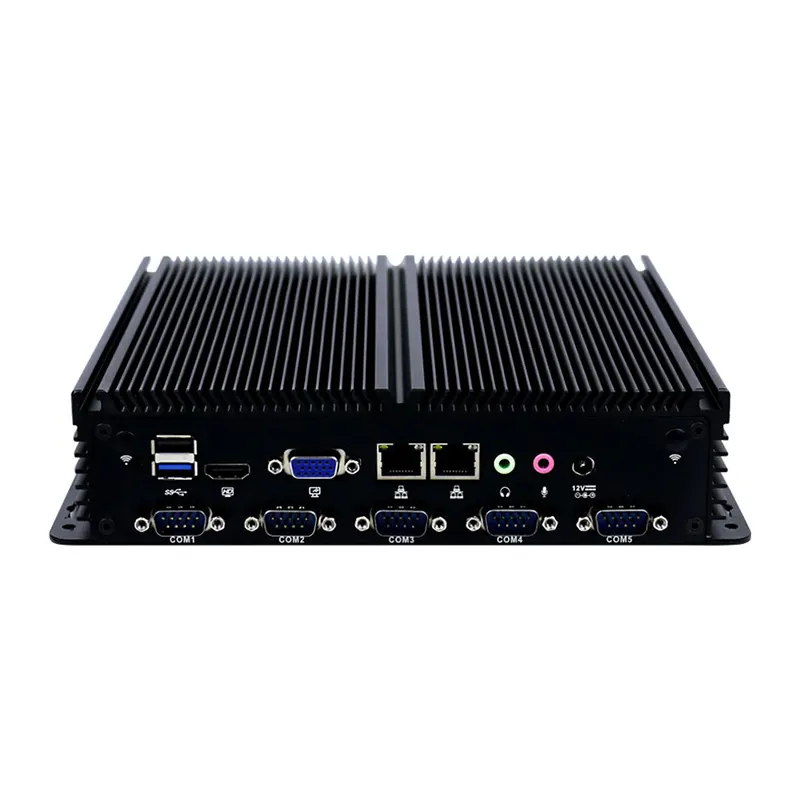
Superior Durability of Fanless Industrial Computers in Harsh Conditions
Dust and Debris Resistance Through Sealed Enclosures
Industrial fanless computers stand up well against dust and dirt thanks to their sealed cases, which matters a lot when running equipment in tough spots. Most come with an IP67 rating that means they can handle not just dust and sand but also splashes of water without problems. We see these kinds of machines doing great work on construction sites where concrete dust flies around all day long, and inside factories where metal shavings might otherwise damage regular computers. Manufacturers often build these rugged systems from either solid aluminum or tough industrial plastic materials. This choice helps prevent rust issues over time, so the computers keep working properly even after years of exposure to harsh workshop conditions and outdoor elements.
Shock and Vibration Protection for Continuous Operation
Fanless computers built for industrial environments handle all sorts of rough treatment because they come with special shock and vibration protection features. These machines incorporate components mounted on shock absorbers so they can take whatever beating comes their way from both moving parts and fixed installations across factories. According to military standard testing (MIL-STD-810), such devices actually survive pretty intense physical stress without breaking down. What does this mean practically? Less time spent fixing broken equipment means workers get back to their tasks faster, which boosts overall productivity in manufacturing plants and warehouses where things never seem to stop moving around. That's why many facility managers prefer these tough little workhorses when reliability matters most.
Energy Efficiency and Cost-Effective Performance
Reduced Power Consumption in Fanless Designs
Fanless industrial computers come equipped with cutting edge tech that cuts down power consumption way below what traditional systems require. When manufacturers install those energy efficient parts inside these machines, they actually manage to slash electricity use somewhere around half. That means real money saved on monthly bills plus a smaller impact on the environment. Solid state drives or SSDs play their part too by drawing even less power while making data access much faster. For businesses running non stop operations across various sectors, this mix of low energy needs and better performance isn't just good for the planet either. It makes financial sense when looking at long term operational costs over time.
Lower Maintenance Costs with Passive Cooling
Getting rid of fans in industrial computers cuts down on maintenance expenses quite a bit. When companies don't have to worry about replacing worn out fans or keeping them running smoothly, they free up money that goes toward other important parts of their operation. These fanless systems rely on passive cooling methods instead, things like heat sinks and thermal pipes that just sit there doing their job without needing much attention at all. Some research points to potential savings around 30 percent on maintenance throughout the life of these devices. Less time spent fixing problems means fewer interruptions in production, plus the machines tend to last longer overall. For many businesses looking to save cash while still getting reliable performance, this makes perfect sense financially speaking.
Silent Operation for Noise-Sensitive Environments
Eliminating Fan Noise in Medical and Laboratory Settings
In places such as hospitals and labs, fanless industrial computers really shine because regular computer fans can actually interfere with delicate instruments. The fact that they run completely silent isn't merely a nice feature either. Medical equipment needs to work precisely, and even small background noises might throw off readings or signals. Studies show quieter spaces in clinics lead to happier patients who tend to recover faster too. Plus there are all sorts of regulations requiring medical tech to stay below certain noise levels so everything works properly together. Fanless models tick all those boxes since they eliminate that constant hum most computers make. This makes them much better suited for clinical environments where both staff and patients need peace and quiet to do their jobs effectively.
Improved Workplace Productivity with Quiet Systems
Getting rid of fan noise at work places really helps boost productivity. People get distracted easily when there's background noise around, like the constant buzzing of fans running all day long. This kind of distraction breaks their focus and makes tasks take longer to complete. Research shows quieter environments lead to better concentration and improved performance across many job types, particularly for those working on creative projects or technical problems. When companies install silent computer systems instead of noisy ones, employees tend to stay focused longer without getting stressed out or tired from listening to annoying sounds throughout the day. Investing in fanless industrial computers isn't just good for workers either it actually creates a calmer atmosphere where everyone gets things done faster, which means better results for the business overall.
Advanced Thermal Management in Rugged Applications
Passive Heat Dissipation for Extreme Temperatures
Industrial computers that don't need fans work by using passive cooling techniques so they can run properly even when temperatures get really extreme without breaking down mechanically. The design includes special heat sinks that help move heat away efficiently, keeping everything stable even when things get hot. Since these systems don't have parts that move around like regular fans do, they tend to be much more reliable in tough thermal situations. Some research shows these fanless machines can actually function across a wide range of temperatures, from as cold as minus 40 degrees Celsius all the way up to 70 degrees Celsius. This means they keep performing well without getting too hot, making them great for places where temperature control is difficult to manage.
Wide Operating Range (-40°C to 70°C) Compatibility
Fanless industrial computers work well in all sorts of temperatures, which is why they're so good for tough jobs outside or on factory floors. These machines follow global standards when it comes to how hot or cold they can handle, making them last longer and perform better in different industries. Studies show that equipment built for wider temp ranges just doesn't overheat as much, and that means fewer breakdowns over time. The fact that these fanless PCs operate efficiently despite extreme conditions really matters in real world settings where temperatures swing around constantly. As a result, companies find their devices last much longer before needing repairs or replacements.
Versatile Industrial Applications of Fanless PCs
Automotive Manufacturing Automation
More and more car manufacturers are turning to fanless industrial computers these days to automate their production lines smoothly. These machines work great on factory floors because they can handle all sorts of tough environments without breaking down. Built tough from the ground up, they resist dust, vibrations, and temperature extremes that would stop regular computers dead in their tracks. Assembly plant managers love how these fanless systems keep running even when things get messy during long shifts. Looking ahead, most people in the know expect this trend to keep growing as factories push harder toward full automation solutions that don't require constant maintenance or special cooling systems.
Outdoor Transportation and Logistics Systems
Fanless PCs have become really important for outdoor transportation and logistics work. They work great in terminals and on moving vehicles because they can handle all sorts of harsh weather without breaking down. These little machines fit into tight spaces too, making them easy to install across different transport situations where space is limited. Logistics firms that switch to these tough computing options often notice better scheduling accuracy and improved tracking of their vehicle fleets, which helps everything run smoother day to day. Many operators report fewer downtime issues during extreme conditions compared to traditional systems.