 EN
EN

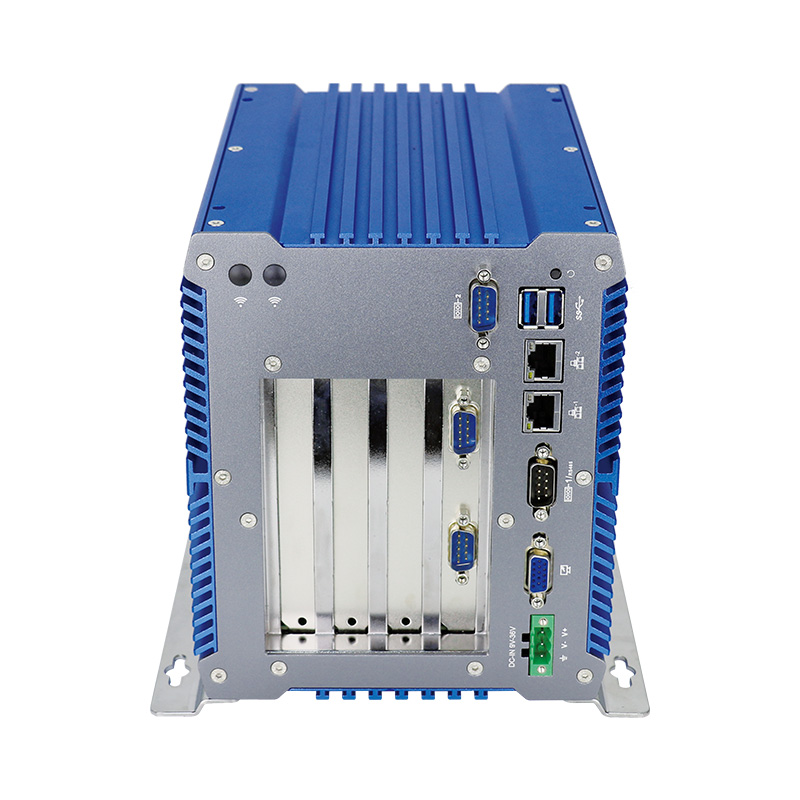
Ruggedness: Environmental Resilience for Harsh Transport Conditions
IP Rating and Ingress Protection Against Dust, Moisture, and UV Exposure
Industrial PCs need to handle all sorts of dirt and moisture in tough transportation settings. Enclosures rated IP65 keep dust out completely and stand up against light water sprays. This matters a lot for equipment running close to train tracks or port areas where flying particles and salty air really eat away at materials over time. For those units sitting outside in logistics yards under constant sunlight, special UV resistant polycarbonate cases stop screens from turning yellow and plastic parts from getting brittle. The numbers back this up too. A recent study on equipment reliability found that around 43% of electronics failures actually come from moisture getting inside when proper protection isn't there. That's why manufacturers spend so much time ensuring their industrial computers can survive these harsh conditions day after day.
Vibration, Shock, and Wide-Temperature Tolerance for Mobile & In-Vehicle Use
Heavy duty trucks constantly bouncing around need industrial computers built tough enough to handle over 5 Grms of mechanical stress without parts wearing out too fast. These machines come equipped with special mounts that absorb vibrations plus solid state drives so important data stays safe even when going over rough terrain like cracked highways or switching tracks at rail yards. Temperature resistance matters just as much though. The systems work reliably whether it's freezing cold inside warehouses near the North Pole or scorching hot in mines across the desert where temperatures can hit triple digits. Without fans and relying instead on copper heat spreaders, these computers get rid of all those fragile moving parts that break easily from constant jolts. Field tests show this design cuts down on maintenance headaches by about two thirds for companies managing large vehicle fleets.
EMC/EMI Compliance in Electromagnetically Noisy Rail, Fleet, and Infrastructure Systems
Traction motors and those big cellular towers out there can really mess with important navigation systems through electromagnetic interference. When talking about industrial PCs, they need certain certifications to work properly in harsh environments. For rail applications, look for EN 50155 compliance, while automotive settings typically require ISO 11452-2 standards. Manufacturers use various methods to combat this problem including things like proper PCB shielding gaps and adding ferrite chokes which help reduce unwanted electrical noise. Ports full of heavy machinery face serious challenges with all this electromagnetic activity. That's why having EMI compliant equipment matters so much there. Crane coordination systems especially depend on clear signals, and when they get disrupted, companies can lose around 740 thousand dollars every single hour according to research from Ponemon Institute back in 2023. To protect against these issues, grounding planes become essential along with filtered input/output ports that keep sensitive edge computing parts safe from sudden power spikes and other disturbances.
Reliability: Power Stability and Thermal Management for 24/7 Operations
Unplanned downtime costs transportation operators $740k annually (Ponemon Institute 2023), making power and thermal resilience non-negotiable for industrial PCs in vehicles, rail, and infrastructure.
Wide-Range DC Input and Integrated UPS for Uninterrupted Vehicle Power Transitions
Industrial PCs must handle voltage fluctuations during engine ignition (9V–36V DC range) without shutdowns. Integrated uninterruptible power supplies (UPS) bridge micro-outages during power transitions—critical when switching between battery and alternator sources. This prevents data loss in telematics systems during sudden power drops.
Fanless Design and Passive Cooling for Long-Term, Maintenance-Free Industrial PC Deployment
Passively cooled industrial PCs eliminate failure-prone fans and vents that clog with dust in freight or construction environments. Encased heat pipes and heatsinks dissipate heat efficiently across –40°C to 70°C ranges—proven to reduce temperature-related failures by 60% in military vehicle trials. This enables decade-long operation without maintenance interventions.
Connectivity and Edge Intelligence: Real-Time Data Handling in Dynamic Transit
Industrial PCs deployed in transportation must excel at managing constant data streams amid unpredictable conditions. This requires optimized connectivity fused with localized processing intelligence.
Multi-Mode Wireless Support (WiFi 6 Roaming, 4G/LTE-A, External Antenna Options)
Strong wireless connections keep data flowing without interruption across vehicles, trains, and port facilities. Industrial computers now take advantage of WiFi 6 technology which allows them to switch smoothly between different access points as they move around, so there aren't those annoying data dropouts when switching networks. When WiFi isn't cutting it, these systems fall back on 4G or LTE-A cellular networks to stay connected. Most setups come with two external antennas that help boost signals depending on where things are happening. This matters a lot in tricky spots like city streets surrounded by buildings, inside tunnels, or out in the middle of nowhere along shipping routes. The reliable machine-to-machine communications means important sensor readings, camera footage, and tracking information keeps coming in no matter how bumpy the ride gets for equipment operators.
Hardware-Enabled Edge Processing for Onboard Analytics, Telematics, and AI-Driven Alerts
Edge computing turns regular industrial PCs into smart local decision centers by handling data right where it's generated. These upgraded PCs can run AI algorithms inside vehicles themselves, spotting problems almost instantly. For instance, they might catch mechanical issues through unusual vibrations or predict when brakes need replacing based on heat patterns. Processing data locally cuts down on waiting time for decisions by around 85% compared to sending everything to the cloud first. The vehicle handles most of the telematics data processing itself, only sending what really matters across the network, which saves money on bandwidth costs. When something dangerous happens or maintenance becomes necessary, the system sends out warnings within fractions of a second, letting drivers react quickly or triggering automatic safety measures. Another big plus is security improvement since important operational information stays encrypted on site instead of traveling through potentially insecure networks.
Certifications, Form Factor, and Industrial PC Compatibility for Transport Integration
When it comes to industrial PCs used in transportation settings, they really need to pass some tough tests before anyone lets them loose on the road or tracks. The rail industry specifically looks for EN 50155 certification because those machines get shook around quite a bit and have to handle extreme temperatures ranging from -40 degrees Celsius all the way up to 70 degrees. Automotive systems face different challenges altogether, which is why ISO 7637 compliance matters so much for protecting against electrical surges and other power issues. These standards basically prove that the hardware can stand up to whatever Mother Nature throws at it during daily operations. Size matters too when installing these systems inside vehicles. DIN rail mounting or VESA mounts work great for squeezing equipment into tight spots like control boxes or under the hood where space is at a premium. Compact designs without fans plus IP65 rated cases keep out dirt and moisture that would otherwise ruin sensitive electronics during long hauls across dusty roads or through rainy conditions. Looking ahead, smart buyers should consider units with M.2 or PCIe slots since these allow for adding extra functionality later on, whether it's connecting to CAN buses or enabling Power over Ethernet capabilities. And let's not forget about compatibility with current vehicle networking systems either, since this saves money down the line by avoiding expensive retrofits just to get everything talking to each other properly.
FAQ
What is an IP65 rating?
An IP65 rating means the enclosure is protected against dust and can withstand water spray from any direction, making it suitable for harsh environments.
Why is EMI/EMC compliance important for industrial PCs?
EMI/EMC compliance ensures industrial PCs can operate without interference from electromagnetic sources, which is crucial for reliable performance in environments with high electromagnetic activity, such as near cellular towers.
How do industrial PCs manage temperature extremes?
Industrial PCs utilize fanless designs with heat spreaders to efficiently dissipate heat, allowing them to operate in temperature ranges from –40°C to 70°C.
What are the benefits of edge computing in transportation?
Edge computing processes data locally, reducing latency and bandwidth costs while enabling real-time analytics and AI-driven alerts directly within vehicles.
What certifications are important for transportation industrial PCs?
For rail applications, EN 50155 certification is important, while automotive settings require ISO 7637 compliance for protection against power issues.
Table of Contents
- Ruggedness: Environmental Resilience for Harsh Transport Conditions
- Reliability: Power Stability and Thermal Management for 24/7 Operations
- Connectivity and Edge Intelligence: Real-Time Data Handling in Dynamic Transit
- Certifications, Form Factor, and Industrial PC Compatibility for Transport Integration
- FAQ