 EN
EN

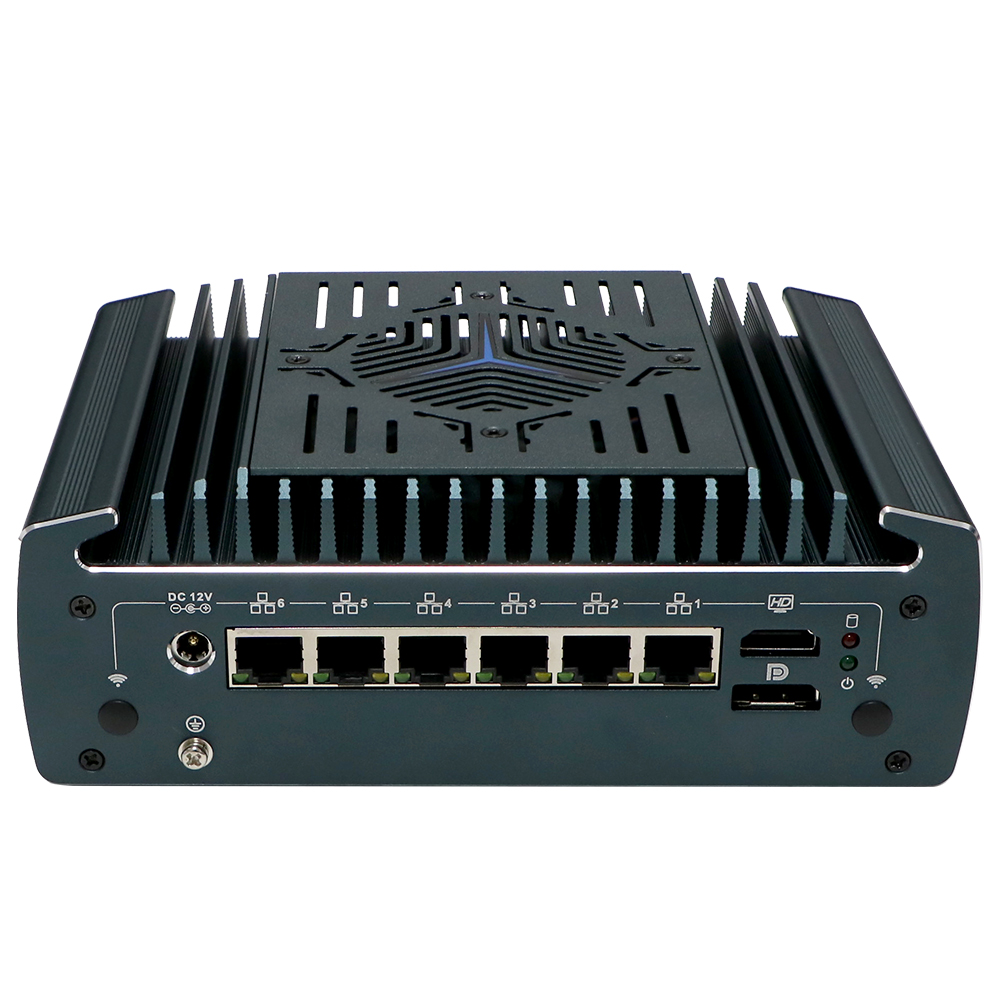
Osnove naprave za požarni zid: opredelitev, namen in poslovna nujnost
Naprava za požarni zid je omrežni varnostni sistem, ki spremlja in nadzoruje vhodni ter izhodni promet na podlagi predhodno določenih pravil. Deluje kot glavna pregrada med zaupanjem zaslužnim notranjim omrežjem in nezaupanja vrednimi zunanjimi omrežji, kot je internet. Z pregledom podatkovnih paketov in uveljavljanjem varnostnih politik naprave za požarni zid preprečujejo neoplaščen dostop, hkrati pa omogočajo zakonite komunikacije.
Za podjetja so ti napravi nepogojna varnostna infrastruktura. Varujejo občutljive podatke pred kršitvami, zagotavljajo neprekinjenost poslovanja z blokiranjem motnih groženj, kot je ransomware, ter pomagajo izpolnjevati zahteve glede skladnosti, na primer HIPAA in GDPR. Brez močne zaščite z bariernimi strežniki (firewalli) so organizacije izpostavljene katastrofalnim finančnim in reputacijskim škodam – kršitve podatkov sedaj povprečno stanejo 4,35 milijona dolarjev na incident (IBM, 2022). Barierni strežniki omogočajo tudi arhitekturo brez zaupanja (zero-trust) prek mikrosegmentacije, s čimer omejujejo bočno premikanje med napadi.
Ključne funkcionalnosti vključujejo:
- Filtriranje prometa na podlagi IP-naslovov, vrat ali protokolov
- Preprečevanje groženj z blokiranjem zlonamernih nosilcev
- Nadzor dostopa prek izvrševanja politik
- Segmentacija omrežja za omejitev razširjanja kršitev
Naprave za strojno omejevanje dostopa zagotavljajo zaščito obrobja celotnih omrežij, medtem ko programske različice zaščitijo posamezne končne točke. Obe sestavljata bistveni plast v sodobnih strategijah kibernetske varnosti, še posebej ob razširjanju oddelnega dela, ki povečuje površino napadov. Pravilno nastavljene naprave za omejevanje dostopa zmanjšajo tveganje vdorov do 85 %, kar jih naredi temeljno sestavino organizacijske odpornosti na spreminjajoče se grožnje.
Kako deluje naprava za omejevanje dostopa: pregled prometa, izvajanje pravil in kontekst groženj
Filtriranje paketov, stanje obveznega pregleda in analiza globine paketov v praksi
Naprava za omejevanje dostopa deluje kot kontrolna točka omrežne varnosti tako, da sistematično pregleduje podatkovne pakete z uporabo treh osnovnih tehnik. Filtriranje paketov izvaja začetno preverjanje z visoko hitrostjo in preverja osnovne lastnosti, kot so naslov IP izvora/naslova IP cilja ter številke vrat, v skladu s predhodno nastavljenimi pravili – pri tem blokira očitno sumljiv promet in hkrati zmanjšuje zakasnitev. Na primer takoj zavrne pakete iz črnih seznamov IP-naslovov.
Stanje obveznega pregleda doda kontekstno zavedanje z opazovanjem aktivnih povezav. V nasprotju s statičnim filtriranjem spremlja komunikacijske seje od začetka do konca in preverja veljavnost paketov na podlagi uveljavljenih protokolov rokovanja. To preprečuje poskuse ukradbe seje tako, da zagotavlja, da odgovori ustrezajo veljavnim zahtevkom.
Najbolj temeljita metoda, analiza globine paketov (DPA) , podrobno pregleda vsebino nosilca podatkov poleg glave paketa. Z dešifriranjem in pregledom dejanske vsebine podatkov DPA odkrije skrite vzorce zlonamernih programov, poskuse izvleka podatkov ali nepoštno uporabo protokolov – kar je ključnega pomena pri boju z naprednimi stalnimi grožnjami. Na primer DPA lahko zazna podpise ransomware-a znotraj šifriranega prometa, ki ga premostijo preprostejše metode.
Sodobne naprave za požarni zid običajno te tehnike uporabljajo v plastnih delovnih procesih:
- Filtriranje paketov opravi začetno preverjanje visokozmogljivega prometa
- Stanje zaznave preverja celovitost seje
- DPA opravi zahtevno analizo vsebine nosilca podatkov za kritične segmente
Ta večstopenjski pristop uravnoteži varnost in zmogljivost ter zmanjša tveganje za napade za 68 % v primerjavi z rešitvami, ki uporabljajo le eno metodo. S povezovanjem ugotovitev na različnih nivojih pregleda požarni zid ustvari izčrpno kontekstualno sliko groženj – avtomatsko blokira zlonamerni promet, hkrati pa dovoljuje legitimni poslovni promet s pomočjo dinamičnega izvajanja pravil.
Vrste požarnih zidov: strojna oprema, programska oprema, NGFW, WAF in rešitve, ki so rojene v oblaku
Naprave požarnih zidov varujejo omrežja na kritičnih vhodnih točkah in se prilagajajo zahtevam sodobne infrastrukture. Organizacije izbirajo med strojnimi napravami, nameščenimi na kraju samem, programskimi agenti, nameščenimi neposredno na končnih točkah ali strežnikih, ter rešitvami, ki so rojene v oblaku in se dinamično prilagajajo virtualnim okoljem. Požarni zidovi nove generacije (NGFW) integrirajo preprečevanje vdorov in zaznavanje aplikacij, medtem ko spletni požarni zidovi (WAF) zagotavljajo specializirano filtracijo prometa HTTP/HTTPS za spletne aplikacije.
Primerjava modelov razvijanja: naprave za požarni zid na lokalni opremi nasproti virtualnim nasproti nativnim v oblaku
| Značilnost | Lokalna strojna oprema | Virtualni požarni zidovi | Nativni v oblaku požarni zidovi |
|---|---|---|---|
| Razmik | Fizična naprava | Programska oprema na VM/virtuelnem gostitelju | Integrirano z oblakom |
| Razširljivost | Omejeno s strojno opremo | Srednje (virski VM) | Visoko (elastično skaliranje) |
| Upravljanje | Ročne posodobitve | Centralizirana konzola | Avtomatizacija na podlagi API-ja |
| Kosteneffektivnost | Visoka začetna naložba | Zmanjšani stroški strojne opreme | Naročnina po načelu plačuj, ko uporabljaš |
| Najbolj Prilostovit Za | Zastarele omrežja | Hibridna okolja | Večoblakovske in kontejnerizirane aplikacije |
- Strojne požarne stene na lokalnih strežnikih zagotavljajo namensko propustnost za podatkovna središča, vendar jim manjka oblakova gibljivost.
- Virtuelne naprave za požarni zid omogočajo varnost v omrežjih, definiranih z mehkim programom (SDN), brez fizičnih omejitve.
- Opcije, ki so rojene v oblaku samodejno prilagajajo zmogljivost obremenitvi in izvajajo politike izvirno v okoljih AWS, Azure ali GCP.
Napredni požarni zidovi (NGFW) združujejo tradicionalno filtracijo z informacijami o grožnjah ter blokirajo napredno zlonamerno programsko opremo z učinkovitostjo 99,8 % (neodvisni testi). Medtem pa se spletni požarni zidovi (WAF) posebej ukvarjajo z nevarnostmi iz seznama OWASP Top 10, kot je npr. vstavljanje SQL-koda, s pomočjo analize obnašanja. Končno naj varnostni cilji – ne trendi namestitve – vodijo izbiro naprave za požarni zid.
Poslovna vrednost naprave za požarni zid: varnost, skladnost in strategično zmanjšanje tveganj
Naprave za požarni zid zagotavljajo ključno poslovno vrednost, saj preprečujejo neodobren dostop do občutljivih podatkov in zmanjšujejo tveganje za napad na 74 % (Ponemon Institute, 2023). Uveljavljajo natančne varnostne politike v omrežjih, s čimer blokirajo zlonamerni promet in hkrati omogočajo varne oddaljene operacije. Za regulirane panoge ti sistemi zagotavljajo sledilne evidence in nadzore dostopa, ki so bistveni za izpolnjevanje okvirjev, kot je na primer PCI-DSS, pri čemer predlogi konfiguracij pospešujejo delovne procese za skladnost.
Omogočanje nadzora dostopa na načelu ničelne zaupanja in izpolnjevanje regulativnih zahtev (npr. GDPR, HIPAA)
Sodobne naprave za požarni zid izvajajo načela dostopa do omrežja na podlagi koncepta ničelne zaupanja (ZTNA), pri čemer neprestano preverjajo identitete uporabnikov in integriteto naprav, preden dovolijo dostop do virov. Ta pristop »nikoli ne zaupaj, vedno preveri« zmanjšuje lateralno širjenje groženj znotraj omrežij. Za skladnost avtomatizirajo beleženje poskusov dostopa in pretokov podatkov – kar je ključno za dokazovanje skladnosti z določbami člena 32 GDPR in varnostnega pravilnika HIPAA. Ustrezno konfigurirani pravilniki omogočajo segmentacijo zaščitenih zdravstvenih podatkov (PHI) in osebnih podatkov, s čimer zmanjšujejo kazni za neskladnost, ki znašajo povprečno 740.000 USD na incident.
Požarni zidovi strategično zmanjšujejo operacijske tveganje z naslednjimi ukrepi:
| Kategorija tveganja | Načini ublažitve | Vloga naprave za požarni zid |
|---|---|---|
| Kršitev varnosti podatkov | Segmentacija omrežja | Izolira kritične sredstva |
| Kršitve skladnosti | Avtomatsko reviziranje | Ustvarja dokaze za skladnost |
| Prekinitev storitve | Preprečevanje groženj | Blokira promet DDoS/ranzomvare |
Ta večplastna zaščita ohranja neprekinjenost poslovanja in hkrati okrepi zaupanje interesnih strani – ključna prednost, saj 53 % potrošnikov po kršitvi varnosti zapusti blagovno znamko (Ponemon 2023).
Pogosta vprašanja (FAQ)
Kaj je naprava za požarni zid in zakaj je nujna?
Naprava za požarni zid je varnostni sistem, ki spremlja in nadzoruje omrežni promet na podlagi vnaprej določenih pravil, da prepreči neodobren dostop. Zaščiti občutljive podatke, zagotavlja neprekinjenost obratovanja in pomaga pri izpolnjevanju zahtev glede skladnosti, zato je nujna za podjetja.
Kako deluje naprava za požarni zid?
Požarni zidovi uporabljajo tehnike, kot so filtriranje paketov, stanjska pregledava in analiza globine paketov, da preučijo in nadzorujejo pretok podatkov. Te metode prepoznajo in blokirajo grožnje, hkrati pa dovolijo legitimni promet.
Kakšne vrste naprav za požarni zid obstajajo?
Naprave za požarni zid vključujejo strojne naprave, programske požarne zidove, požarne zidove nove generacije (NGFW), požarne zidove za spletne aplikacije (WAF) in rešitve, ki so rojene v oblaku. Vsaka vrsta je primerna za določene potrebe po namestitvi.
Kakšno poslovno vrednost ponujajo požarni zidovi?
Požarni zidovi zmanjšujejo tveganje za napade, omogočajo varnega oddaljenega dostopa, zagotavljajo skladnost z regulativnimi zahtevami ter ohranjajo neprekinjenost poslovanja z blokiranjem zlonamernega prometa.
Kakšna je razlika med strojno in oblakom-nativnimi požarnimi zidovi?
Strojni požarni zidovi so fizične naprave, ki so najprimernejše za starejše omrežja, medtem ko se oblakom-nativni požarni zidovi dinamično prilagajajo obremenitvi in se brezhibno integrirajo v virtualna okolja.
Vsebina
- Osnove naprave za požarni zid: opredelitev, namen in poslovna nujnost
- Kako deluje naprava za omejevanje dostopa: pregled prometa, izvajanje pravil in kontekst groženj
- Vrste požarnih zidov: strojna oprema, programska oprema, NGFW, WAF in rešitve, ki so rojene v oblaku
- Poslovna vrednost naprave za požarni zid: varnost, skladnost in strategično zmanjšanje tveganj
- Pogosta vprašanja (FAQ)