 EN
EN

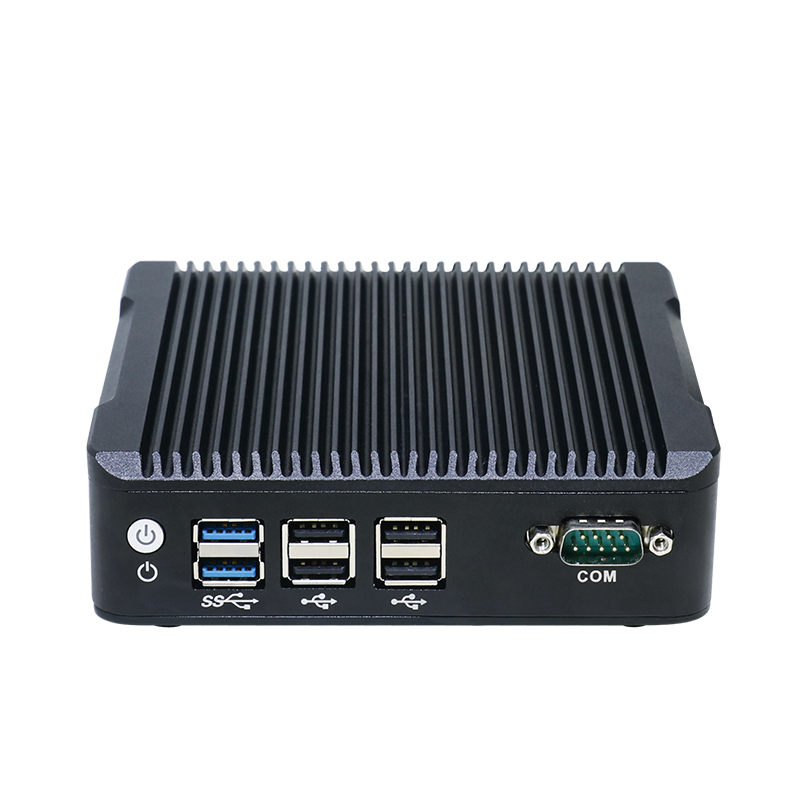
تصميم موفر للمساحة: تحسين استخدام مساحة الأرضية ومرونة سير العمل
تقليل المساحة المستخدمة في البيئات الصناعية المُقيَّدة
تواجه المنشآت الصناعية ضغطًا مستمرًا لتعظيم استغلال المساحة. وتستهلك حلول الحوسبة التقليدية مساحات قيمة على أرضية المصنع، ما يُحدث اختناقات في مناطق الإنتاج عالية الكثافة. وتوفِّر أجهزة الحاسوب المضمنة المدمجة إمكانيات حوسبة كاملة داخل غلاف بحجم لا يتجاوز ٩٠×٩٠ مم — أي أصغر بنسبة تصل إلى ٨٠٪ مقارنةً بأجهزة الحاسوب الصناعية التقليدية. ويتيح هذا التخفيض الجذري في المساحة المُستخدمة تركيب هذه الأجهزة داخل خزائن التحكم، والفراغات الموجودة داخل الآلات، ومناطق العمل الضيقة التي تفوق تكلفة مساحتها ١٢٠٠ دولار أمريكي لكل قدم مربع سنويًّا. وباستبعاد أنظمة البرج ال bulkية، يستعيد المصنِّعون مساحات أرضية يمكن توظيفها في تركيب معدات مُولِّدة للإيرادات، مع تقليل مخاطر الاصطدام في الممرات الضيقة. كما أن تحسين كفاءة التخطيط الناتج عن استخدام الأنظمة المضمنة قد يقلل من مسافات نقل المواد بنسبة ١٥–٢٠٪، مما يسرِّع بشكل مباشر معدل الإنجاز في التصنيع القائم على الخلايا.
خيارات تركيب متعددة الاستخدامات للخطوط الإنتاجية الديناميكية والمعدات المتنقلة
القوة الحقيقية لأجهزة الحوسبة الصناعية المدمجة تكمن في مرونة النشر. وتدعم هذه الأنظمة التركيب بزوايا متعددة عبر خيارات تركيب VESA أو السكك الحديدية القياسية DIN أو التركيب على اللوحات — ما يمكّن من دمجها بشكل آمن على المركبات التوجيهية الآلية (AGVs) والأذرع الروبوتية وأنظمة النقل المتحركة. وعلى عكس محطات العمل الثابتة، فإن هذه المرونة تتيح التعامل مع إعادة تهيئة الخطوط بشكل متكرر، وهي ميزة بالغة الأهمية في المرافق ذات التنوّع العالي حيث تتغير التخطيطات شهريًّا. كما أن التصاميم المقاومة للاهتزاز تحافظ على التشغيل أثناء نقل المعدات المتنقلة، بينما يضمن التصميم الخالي من المراوح مقاومته للتعرّض للجسيمات العالقة. وبفضل وحدات التوسّع القابلة للتعديل في المنافذ المُدخلة/المُخرجة (I/O)، يمكن تخصيص التركيبات دون تغيير أبعاد قاعدة التثبيت. وبفضل هذه المرونة، يمكن تحويل خلايا العمل خلال ساعاتٍ بدلًا من أيام، مما يحافظ على استمرارية العمليات أثناء انتقالات الإنتاج.
الموثوقية من خلال بنية التبريد السلبية الخالية من المراوح
القضاء على الأجزاء المتحركة لتشغيل مستمر في البيئات المعرضة للغبار والاهتزاز ودرجات الحرارة القصوى
تستبدل أجهزة الحاسوب المدمجة المدمجة الخالية من المراوح المراوح التقليدية بأنظمة تبريد سلبية—مثل مشتّتات الحرارة الألومنيومية، وهيكل الجهاز الموصل حراريًا، وبطاقات التبريد الحرارية الجرافيتية—لتبديد الحرارة دون أجزاء متحركة. ويؤدي هذا التصميم إلى القضاء على نقاط الفشل الميكانيكي في البيئات المعرّضة للغبار العالق في الهواء، أو الاهتزازات الشديدة، أو درجات الحرارة المحيطة التي تتراوح بين –٤٠°م و٨٥°م. كما أن الغلاف المختوم المصنّف وفق معيار IP67 يمنع دخول الملوثات مع الحفاظ على أداءٍ مستقرٍ—وهو أمرٌ بالغ الأهمية لأتمتة العمليات الصناعية على مدار ٢٤ ساعة/٧ أيام أسبوعيًا، لا سيما في التطبيقات المجاورة لغرف النظافة العالية (Cleanroom) أو تلك المعرّضة للعوامل الخارجية.
خفض التكلفة الإجمالية للملكية عبر تقليل الصيانة واستهلاك الطاقة والانقطاعات غير المخطط لها
يوفّر التبريد السلبي وفورات تشغيلية ملموسة:
- انخفاض استهلاك الطاقة بنسبة ٦٠–٧٠٪ مقارنةً بأنظمة التبريد بالمراوح (Faytech ٢٠٢٤)
- صيانة مجدولة شبه معدومة—لا حاجة لتنظيف الفلاتر أو استبدال المراوح أو تشحيم المحامل
- انخفاض عدد حالات توقف التشغيل غير المخطط لها بنسبة 45% في العمليات المستمرة
تنبع هذه الكفاءات من إدارة حرارية مُحسَّنة وبنيانٍ متين. وبتجنب الأعطال المرتبطة بالتبريد، تقلِّل المنشآت من حالات توقُّف الإنتاج وتحقق عائد استثمار أعلى على امتداد عمر النظام.
حوسبة حافة عالية الأداء ضمن هيكل جهاز كمبيوتر مضمن صغير الحجم
استنتاج ذكاء اصطناعي فوري ومعالجة منخفضة زمن التأخير عند حافة المصنع
يتطلب التصنيع الحديث اتخاذ قرارات فورية— حيث تؤثر التأخيرات، حتى لو كانت بضعة ملي ثانية، على الجودة والإنتاجية والسلامة. وتوفّر أجهزة الحاسوب المدمجة المدمجة زمن انتقال أقل من ١٠ ملي ثانية من خلال معالجة بيانات المستشعرات محليًّا عند الحافة (Edge)، ما يلغي الحاجة إلى الرحلات الدورانية إلى السحابة. ويُمكّن هذا من الاستدلال الاصطناعي في الزمن الحقيقي لأنظمة الفحص البصري التي تكشف العيوب المجهرية بمعدل ٦٠ إطارًا/ثانية، وخوارزميات الصيانة التنبؤية التي تحلّل أنماط الاهتزاز في المعدات الدوارة. وبتشغيل نماذج التعلّم الآلي مباشرةً على الجهاز نفسه، تمنع هذه الأنظمة توقُّف خطوط الإنتاج التي قد تكلّف ٥٠٠ ألف دولار أمريكي في الساعة، مع تشغيلها ضمن حدود استهلاك طاقة لا تتجاوز ١٥ واط. كما يضمن هيكلها المغلق الخالي من المراوح موثوقيتها في البيئات الملوثة بالجسيمات والتي تتجاوز معايير الفئة ٥ حسب معيار ISO.
موازنة أداء وحدة المعالجة المركزية متعددة النوى، والكفاءة الحرارية، وقيود استهلاك الطاقة
يتطلب تحقيق كثافة حسابية عالية دون خفض الأداء بسبب ارتفاع الحرارة هندسة مبتكرة. وتجمع بنى معالجة متعددة غير متجانسة (HMP) بين النوى عالية الأداء المخصصة للحسابات المعقدة، والنوى الموفرة للطاقة التي تُعنى بالمهام الخلفية، مما يوزِّع عبء العمل بتوزيعٍ ذكي. ويحقِّق هذا النهج استغلالًا مستمرًّا لوحدة المعالجة المركزية بنسبة ٩٥٪ مع الحفاظ على درجات الحرارة دون ٨٥°م في المح housing المبرَّدة سلبيًّا. وتشمل إدارة الحرارة المتقدمة ما يلي:
- واحدات نشر الحرارة النحاسية ذات الواجهات المحسَّنة بالجرافين (موصلية حرارية تبلغ ٣٥ واط/م.ك)
- تعديل الجهد والتكرار الديناميكي (DVFS)، الذي يُقلِّل استهلاك الطاقة بنسبة تصل إلى ٤٠٪ أثناء فترات الخمول
- مناطق حرارية معزولة تمنع تشكُّل النقاط الساخنة في المساحات الضيقة
وتتيح هذه التحسينات لمعالجات رباعية النوى تقديم أداءٍ مُسرَّع بالذكاء الاصطناعي يبلغ ٢,٧ تيرافلوبس ضمن قيود الطاقة الصناعية القياسية البالغة ١٢ فولت تيار مستمر — ما يثبت أن أجهزة الحاسوب المضمنة المدمجة لا تحتاج إلى التضحية بالقدرات من أجل الحفاظ على صغر الحجم.
التكامل السلس مع نظم التصنيع الذكية
تُعَد أجهزة الحواسيب المدمجة المدمجة (Compact embedded PCs) النسيج الرابط داخل أنظمة الأتمتة الصناعية الحديثة، حيث تُمكّن الاتصال الموحَّد بين الآلات وأجهزة الاستشعار وبرامج المؤسسات. وبفضل دعمها لبروتوكولات مثل OPC UA وMQTT وModbus، فإن هذه الأجهزة تربط المعدات القديمة بأنظمة التحليلات السحابية—محوِّلةً تيارات البيانات المعزولة إلى رؤى قابلة للتنفيذ. وتؤدي هذه التكاملية إلى إلغاء عمليات نقل البيانات يدويًّا، مما يقلل من الأخطاء البشرية بنسبة تصل إلى ٦٧٪ (مجلة أنظمة التصنيع، ٢٠٢٣)، فضلاً عن تسريع أوقات الاستجابة للانحرافات الإنتاجية. ويسمح الرصد الفوري لخطوط التجميع عبر منصات الحوسبة الحافة المدمجة بإجراء تعديلات صيانة تنبؤية، ما يخفض وقت التوقف غير المخطط له بنسبة ٤٥٪. كما تبسّط الواجهات الموحَّدة والوحدات المعيارية لإدخال/إخراج (I/O) عملية التوسع، مما يتيح للمنشآت تنفيذ ترقيات تدريجية دون الحاجة إلى إعادة هيكلة البنية التحتية القائمة بالكامل. وفي النهاية، يؤدي تحقيق الانسجام بين هذه النظم البيئية إلى رفع الإنتاجية بنسبة ٢٣٪ من خلال سير العمل المنسق، وتوزيع الموارد التكيفي، ومراقبة الجودة ذات الحلقة المغلقة.
الأسئلة الشائعة
ما الاستخدامات المخصصة لأجهزة الكمبيوتر المدمجة المدمجة في البيئات الصناعية؟
تُستخدم أجهزة الكمبيوتر المدمجة المدمجة في السياقات الصناعية لتعزيز كفاءة استغلال المساحة، ومرونة النشر، والحوسبة عالية الأداء. وهي تتكامل بسلاسة مع المساحات الضيقة مثل خزائن التحكم، وتدعم الاستنتاج الذكي الاصطناعي الفوري (Real-time AI inference)، وتضمن استمرارية التشغيل في خطوط الإنتاج الديناميكية.
كيف توفر أجهزة الكمبيوتر المدمجة الخالية من المراوح الطاقة؟
تستخدم أجهزة الكمبيوتر المدمجة الخالية من المراوح أنظمة تبريد سلبية لتبدد الحرارة، مما يجعلها تستهلك طاقة أقل بنسبة ٦٠–٧٠٪ مقارنةً بالأنظمة التي تعتمد على المراوح. وهذا لا يقلل فقط من استهلاك الطاقة، بل ويقلل أيضاً من احتياجات الصيانة والتوقفات غير المخطط لها.
ما المزايا التي تقدمها أجهزة الكمبيوتر المدمجة مقارنةً بأجهزة الكمبيوتر الصناعية التقليدية؟
توفر أجهزة الكمبيوتر المدمجة وفورات كبيرة في المساحة مع انخفاض يصل إلى ٨٠٪ في الحجم، وخيارات نشر مرنة، وتكلفة إجمالية أقل للملكية، وأداءً قوياً تحت مختلف العوامل البيئية المؤثرة، دون المساس بالقدرات المعالجة.