 EN
EN

Understanding Industrial PC Connectivity Requirements
Why Connectivity Defines Industrial PC Performance
Good connectivity really matters for how well industrial PCs perform since it allows for real time data processing that keeps operations running smoothly and productive across manufacturing environments. When systems stay connected properly, they cut down on delays while moving more information through the network faster than ever before. This makes all the difference for applications that need lots of data handled quickly. Take factory floors for example where strong network connections mean workers get alerts about problems sooner and managers can adjust production lines without wasting time waiting for updates. Companies that invest in solid connectivity solutions often see their bottom line improve too. Why? Because reliable connections keep machines working instead of sitting idle during repairs or maintenance checks. Looking at actual numbers from plants around the country shows that better connectivity translates into measurable gains in both efficiency scores and total output levels over time.
Balancing Wired and Wireless Solutions
Deciding whether to go with wired or wireless connections in industrial settings isn't something that can be boiled down to simple rules. The old fashioned wired stuff like Ethernet cables and fiber optics still holds up pretty well when it comes to staying stable and moving lots of data around fast. That makes these types of connections perfect for situations where losing even a tiny bit of information could cause major problems. Wireless technology brings something different to the table though. It gives workers freedom to move around without being tethered to outlets or walls, which matters a lot in factories where things change constantly from one day to the next. Most smart companies find they need both kinds working together rather than picking just one. Mixing wired and wireless setups lets businesses handle all sorts of different needs at once without sacrificing either speed or convenience.
Core Connectivity Options for Industrial PCs
Ethernet and Fiber-Optic Communication
Ethernet has become the go-to choice for many industrial network setups because it handles tough environments well while still moving data at impressive speeds. Factories need this kind of reliability when dealing with time sensitive operations where even minor delays can cause major problems. When we look at alternatives though, fiber optic cables stand out for their ability to block out electromagnetic interference completely. This matters a lot in places filled with heavy machinery that generates constant electrical noise. The lack of signal degradation means critical information stays intact no matter what's happening around it. While switching to these modern communication systems does require investment upfront, the payoff comes through better support for things like IoT devices and large scale data collection efforts across entire manufacturing facilities.
5G and eSIM Integration for Global Operations
Industrial connectivity is getting a major boost from 5G technology thanks to those super fast response times and much higher data handling capacity. Factories all over the world can now process information instantly, which makes a huge difference in how they run day to day. And let's not forget about eSIMs either. These little chips make it so much easier for equipment to connect across different countries without anyone needing to swap out physical SIM cards every time they cross a border. When combined with 5G networks, this setup gives manufacturers better control over their remote operations. Plants in one continent can talk seamlessly with warehouses on another, responding to changes as they happen rather than waiting hours for updates. For companies trying to keep up with today's demands, staying connected through these technologies isn't just helpful anymore it's practically necessary.
Legacy Ports: RS-232/485 and USB-C Flexibility
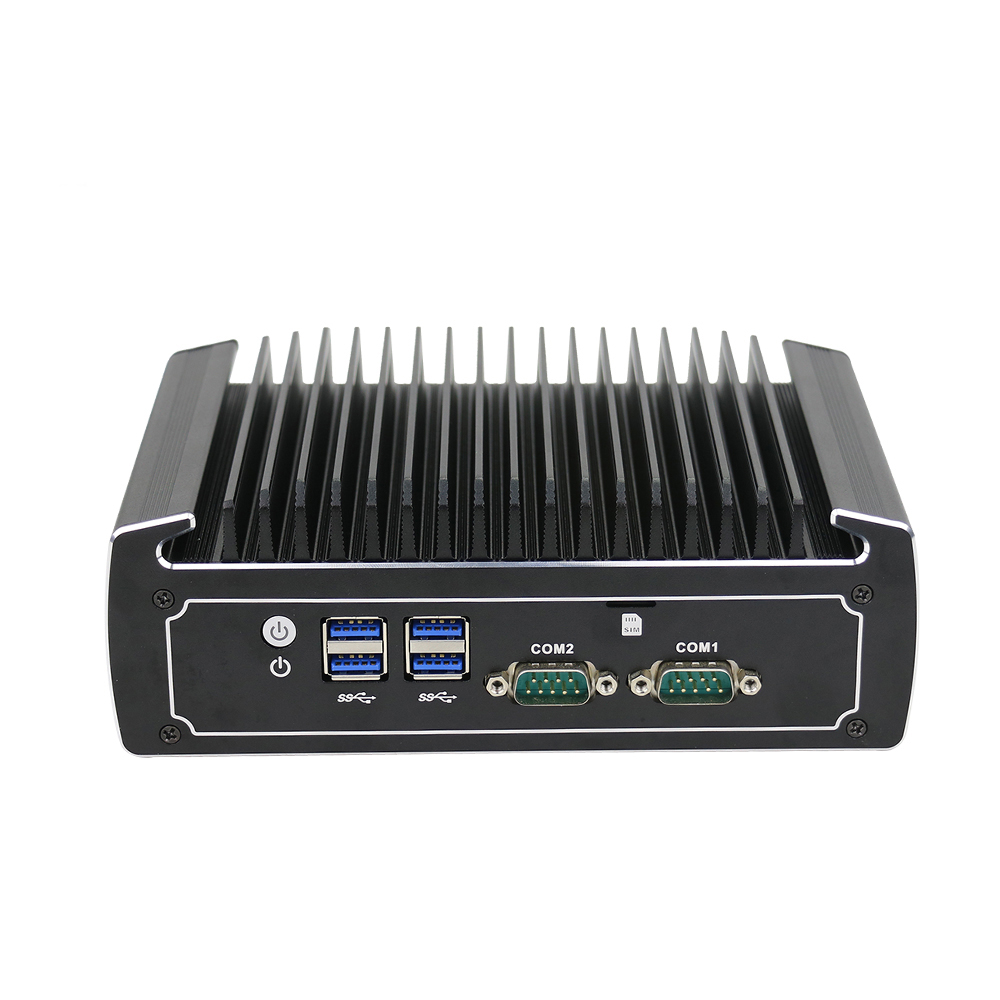
Old school ports like RS-232/485 still play a big role in keeping things compatible with equipment from years ago. Many factories don't want to rip out their whole infrastructure just to upgrade, so these legacy connections let everything talk together without major overhauls. They're basically what keeps the old machines chatting with new controllers. On the flip side, USB-C brings something different to the table. It's got blazing fast transfer speeds and can actually power devices at the same time, which is pretty handy when working with all sorts of gadgets on site. Most industrial setups now mix these old and new connection types because it covers all bases. Some areas might stick with RS-485 for certain sensors while others run USB-C for newer displays and control panels. This hybrid approach works well across manufacturing floors where some parts of the system need to stay put but others demand faster performance. Industries tend to phase in new tech gradually rather than doing everything at once.
Hardware Considerations for Robust Connectivity
1U Rack Mount Server Configurations
In industrial environments where every inch counts, 1U rack mount servers offer the perfect solution for maximizing space while keeping network performance intact. These compact units come packed with various connectivity ports, giving businesses much better control over their network infrastructure. What really sets them apart is how well they handle intensive processing tasks, making them go-to equipment for manufacturing plants dealing with massive amounts of operational data daily. Recent improvements in server design have made these models more modular than ever before. This means companies can simply swap out components as needed rather than replacing entire systems, saving money in the long run and ensuring compatibility with emerging tech without major overhauls.
Mini ITX Motherboards with Integrated I/O
For compact industrial PCs, Mini ITX boards with built-in I/O make sense because they cut down on both money spent and physical space needed. When manufacturers build those input/output ports right into the main board itself, it means no extra expansion cards sitting around collecting dust. This setup actually makes systems more reliable over time since there's one less component that can fail. What's interesting is how these small form factor boards still manage to support all sorts of different devices and connection types. From factory automation setups to point-of-sale terminals in retail environments, engineers find ways to apply these boards across many industries despite their tiny size.
Expansion Capabilities in Kiosk Touch Panel PCs
Scalability sits at the heart of kiosk touch panel PC design, helping businesses keep up when their connectivity needs shift over time. Most models come loaded with plenty of expansion slots and ports that let operators hook up all sorts of peripherals. We're talking barcode scanners, receipt printers, even RFID readers depending on what the business needs. These sturdy machines can handle pretty rough treatment too, which makes them ideal for locations where durability matters. From retail checkout counters to factory floor information stations, companies across industries find these panels solve problems they never knew they had until now.
Environmental and Application-Specific Demands
Durability in Extreme Temperatures
When designing industrial PCs, manufacturers need to make sure these machines can handle really hot or cold environments so they keep working properly even when things get tough. Being able to operate reliably whether it's freezing or sweltering outside matters a lot because this affects how long the equipment lasts and how tough it stays over time. Take temperature swings for instance they mess with the stability of industrial computers quite a bit. Left unchecked, this kind of problem tends to push maintenance bills way up something many companies have noticed firsthand rather than just reading about in research papers. That's why smart manufacturers focus on picking parts that won't fall apart when exposed to harsh temps. Getting this right saves money in the long run while keeping production lines running smoothly without unexpected breakdowns.
EMI Shielding for Industrial Environments
EMI or electromagnetic interference remains one of those pesky problems that industrial PCs face all the time, making good shielding absolutely necessary for proper operation. Without proper shielding measures, signals get messed up which is really bad news when dealing with all the data flowing through modern manufacturing environments. Several industry guidelines exist to help manufacturers deal with this issue effectively. Standards from organizations like IEEE and IEC offer detailed recommendations on what works best for different situations. By following these established protocols, businesses can protect their equipment against interference issues. This means less downtime and better performance across the board, especially important in facilities where even small disruptions can cause major headaches down the production line.
Modularity in Revolution Pi-Style Systems
Systems such as Revolution Pi bring real flexibility and customization options across different industrial settings. What makes them stand out is how they can be adapted and upgraded easily when industrial requirements change, which explains why many companies prefer them for their diverse setup needs. With its modular design, these systems deploy quickly and let businesses adjust fast to whatever new demands come along on the production floor. Maintenance gets simpler too because of the modular nature, so problems get fixed faster without long downtimes that hurt operations. Take Revolution Pi specifically, it offers plant managers a dependable base for building solutions that scale well while still meeting exactly what each factory's particular situation calls for.
Future-Proofing Connectivity Strategies
Edge Computing and IIoT Integration
For industries looking to boost their operations, adopting edge computing along with IIoT makes all the difference. When data gets processed right at the source instead of sent back and forth across networks, it cuts down on those costly transmissions and reduces lag time. This matters a lot in manufacturing plants where every second counts during production runs. Some studies point to around 30 percent faster responses when factories start using edge computing solutions. What we're seeing here is basically machines talking to each other through smart networks, giving plant managers real time information they can actually act on. Companies that jump on board with this tech tend to stay ahead of competitors because they react quicker to problems and adapt better when market conditions change unexpectedly.
Scalability with NVIDIA Blackwell Architecture
NVIDIA's Blackwell architecture provides a flexible platform that tackles the growing needs for AI and data handling across various industrial settings. Designed with backward compatibility in mind, it works seamlessly with current systems while opening doors for next-gen tech upgrades down the road. When businesses implement scalable options like Blackwell, they don't have to rip out their entire setup just to stay competitive. Instead, operations can grow incrementally as new requirements emerge. What makes this particularly valuable is how it lets manufacturers integrate sophisticated applications step by step, avoiding those costly production halts that come with major system changes. For industries facing rapid technological shifts, investing in these advanced architectures means staying ahead of the curve rather than constantly playing catch-up with outdated equipment.