 EN
EN

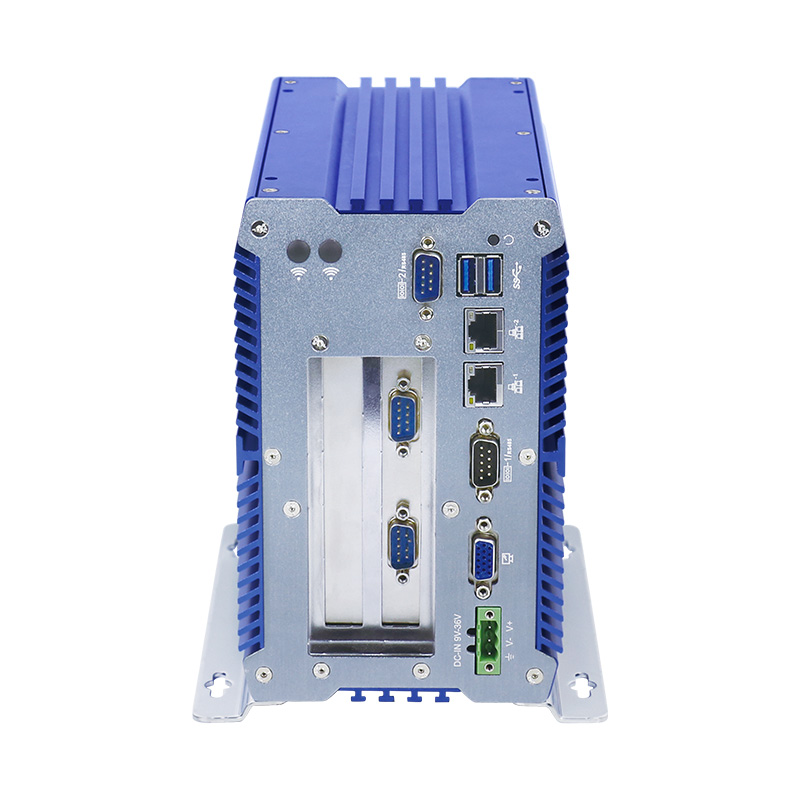
The Critical Role of Industrial PCs in Smart Factories
Core Components of IIoT Infrastructure
At its core, the Industrial Internet of Things (IIoT) relies on three main parts working together: sensors, cloud services, and data analysis tools. These little devices called sensors gather all sorts of information happening right now across different factory processes. Once collected, this information gets sent off to those big cloud systems where it can be looked at more closely. What happens next? Well, data analysts step in to make sense of all these numbers and turn them into something useful for decision makers. Industrial PCs or IPCs serve as sort of brains behind the operation. They take in the sensor data, crunch through it, and actually do something based on what they find, making whole manufacturing process run smoother. Industry insiders are talking about massive growth in IIoT spending within smart factories during coming years. This points to why good quality industrial computers will become even more important going forward if companies want their production lines running efficiently while still keeping costs down.
Enabling Predictive Maintenance Systems
Industrial PCs play a key role in real time data processing for predictive maintenance systems within smart factory environments. By analyzing equipment performance data, these systems can predict when machines might fail before they actually break down, which helps cut down on unplanned downtime and saves money on emergency repairs. The automotive sector has been particularly active in adopting this technology, with many manufacturers reporting significant gains in how efficiently their production lines run. Some research indicates that companies implementing predictive maintenance see around 20% lower maintenance costs and about 25% better productivity numbers. These figures show just how much difference industrial computing solutions make in keeping operations running smoothly while getting more output from existing machinery across various manufacturing settings.
Powering Autonomous Production Lines
Industrial PCs play a central role in running automated production lines, mainly because they control robots and various machines on the factory floor. These computers allow for exact control over operations so everything runs smoothly when systems work autonomously. Many factories have already adopted fully automated production setups thanks to industrial PC technology. Looking ahead, manufacturers see a clear trend toward bigger and better automation solutions that can scale up as needed while still getting more done per hour. The latest developments aren't just making things faster though they're helping companies respond much quicker when customer needs change unexpectedly. This flexibility means businesses stay competitive even during tough economic times.
Essential Features for Industrial PC Deployment
Ruggedized Construction for Industrial Environments
Factories and manufacturing sites deal with all sorts of problems including dust buildup, water exposure, and temperature extremes that can reach well beyond what regular equipment handles. That's why industrial computers need tough builds from the start. Manufacturers design these machines to handle rough treatment so they keep working when things get messy on site. Standards organizations have developed rating systems like IP codes and military specs to show just how durable these industrial boxes really are. They survive situations that would destroy normal desktops or laptops within days. Real world data shows industrial grade PCs fail about 70% less frequently than office computers do, and last roughly three times longer before needing replacement. This makes them a smart investment despite higher upfront costs for businesses operating in tough environments.
High-Performance Processing Capabilities
Industrial PCs need serious processing power to keep up with today's manufacturing demands. When talking about factory floors and production lines, these machines face far more demanding workloads than regular desktop computers ever would. That's why manufacturers install heavy duty processors capable of outperforming standard consumer hardware by significant margins. Most industrial systems come equipped with specialized chips designed specifically for continuous operation under harsh conditions. Looking at actual performance data reveals something interesting: better processors directly translate into faster production cycles and fewer downtime incidents. For companies running large scale operations, this kind of computational muscle makes all the difference between meeting quotas and falling behind schedule.
Seamless Integration with Existing Systems
For industrial PCs to work well alongside current automation systems and equipment, interoperability really matters. When everything integrates properly, operations run smoother and get done faster. Most experts recommend going with protocols such as OPC UA or RESTful APIs because these help connect industrial PCs to older systems without too much trouble. Many manufacturing firms report better results when they focus on getting systems to talk to each other properly. Some plants have seen up to 30% gains in production speed after fixing integration issues. By making sure all the pieces fit together right, companies save money on new hardware while still getting better performance out of what they already own.
Industrial PCs in Smart Manufacturing Applications
Real-Time Process Monitoring
Industrial PCs are really important for smart manufacturing because they let companies monitor their processes in real time using advanced data collection systems. When data is available instantly, it makes better decisions possible and helps optimize how things run on the factory floor. Companies can spot problems quickly and tweak machine settings or adjust when products get made. Looking at what research shows, there are clear advantages to having this kind of monitoring system. One study from 2019 found that plants which used real time monitoring saw about 15% better energy efficiency and much lower costs from wasted materials and downtime. These numbers tell us something valuable about how investing in these technologies pays off over time.
Quality Control Automation
When it comes to quality control in manufacturing, industrial PCs bring something really valuable to the table. These computers can inspect products as they come off the line, catching flaws right away so nothing substandard gets shipped out. Take one big car maker for instance who saw their production accuracy jump by 25% once they started using industrial PCs for quality checks along their assembly lines. The results speak for themselves - defect rates dropped dramatically while productivity went up all around. According to industry reports, factories that switched to automated inspection systems typically see defects fall from about 5% down to just 2%. That kind of improvement tells us why so many manufacturers are making the switch to these smart inspection technologies.
Supply Chain Optimization
Industrial PCs play a vital role in making supply chain management better through real time data analysis for things like inventory tracking and logistics planning. They help connect different parts of the supply chain so everything runs smoother together, which means businesses can work faster and react quicker when needed. Take one consumer goods firm as a case study they reported around 30 percent boost in their overall supply chain performance once they started using industrial computers to process live data streams. What happened next was pretty impressive too demand predictions became much more precise while getting products from point A to B got significantly faster, cutting down waiting periods by nearly half in some cases. These kinds of results matter a lot these days where companies need every advantage possible against stiff competition in today's fast paced market environment.
Emerging Technologies Shaping Industrial PC Evolution
Edge AI and Machine Learning Integration
Bringing Edge AI into industrial PCs is changing how factories handle data right where it matters most. These machines run machine learning stuff that makes a real difference in things like predicting when equipment might fail, keeping product quality consistent, and generally making operations run smoother. The big plus is that all this analysis happens right there at the factory floor without needing to send data offsite to some server somewhere. That means decisions get made quicker and mistakes happen less often. Industry reports point to a growing trend of manufacturers jumping on the AI bandwagon in coming years. Factories that adopt these technologies early are seeing their production lines become much more reliable while downtime drops significantly. Industrial PCs equipped with Edge AI just keep getting better at handling complex tasks that used to require human oversight or expensive infrastructure changes.
Digital Twin Connectivity
Digital twins are changing how industries simulate and improve their operations by creating virtual copies of real-world equipment that let companies monitor things more closely. Industrial PCs are essential for making all this work, helping factories get better at figuring out problems before they happen and gaining valuable insights into day-to-day operations. When manufacturers connect everything through industrial PCs, they can really make the most of digital twins to boost efficiency across the board while keeping track of products from start to finish. Studies have found that factories using this tech see real gains in both production speed and product lifespan management. What sets industrial PCs apart is their ability to handle massive amounts of data connections and process information quickly enough to keep up with these complex simulations, which explains why they're becoming so central to this whole digital twin movement happening right now.
5G-Enabled Manufacturing Ecosystems
With 5G coming online, industrial PCs are going to see some serious performance boosts thanks to much lower latency and blazing fast connections. Factories can now communicate instantly between all sorts of smart equipment and control systems, creating manufacturing setups that respond quickly to changes on the floor. What makes 5G really special isn't just speed though research shows it opens doors for better cooperation between different parts of production lines. Machines talk to each other faster, so adjustments happen in real time rather than waiting for batch processing. Looking ahead as companies roll out more 5G infrastructure, these industrial computers will play an increasingly important part in running smart factories. They'll help manufacturers do things they couldn't before from predictive maintenance to quality control improvements across multiple sectors.