 EN
EN

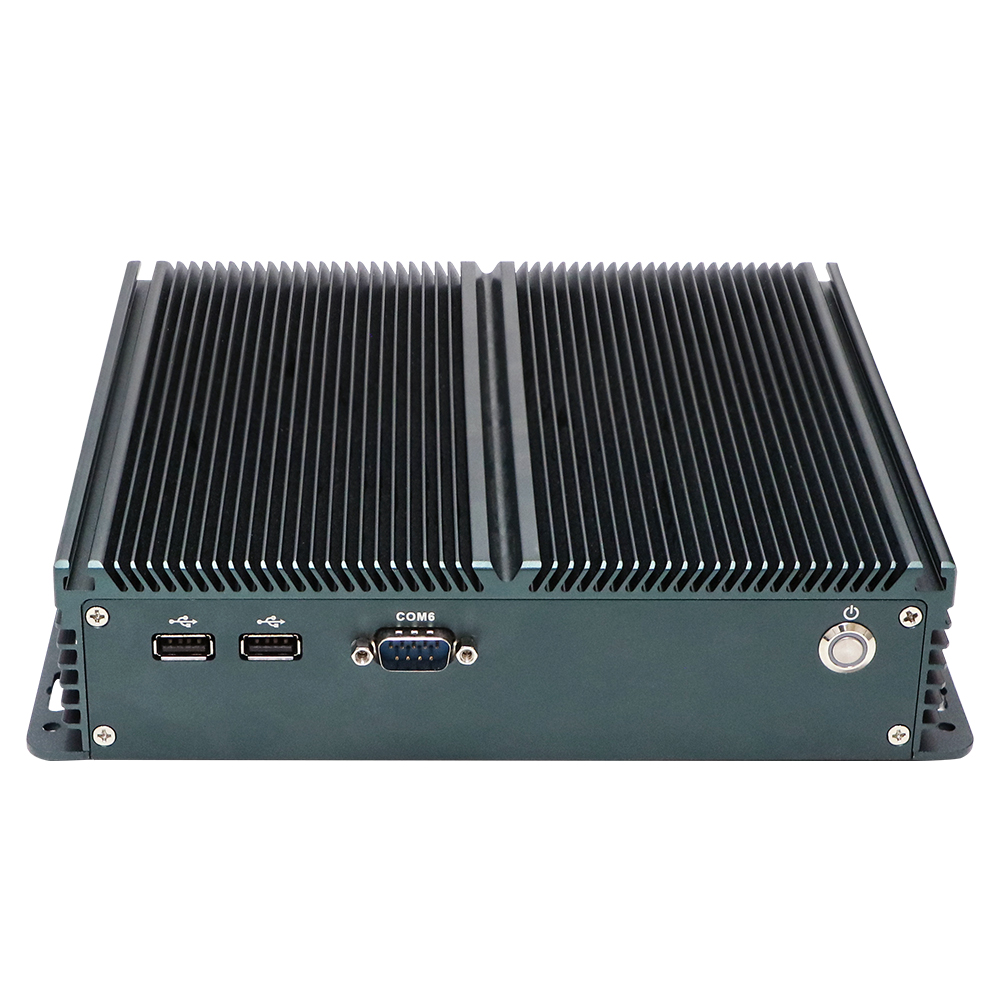
Understanding the Core Requirements of Industrial Rugged PCs in Outdoor Environments
The Growing Need for Reliable Computing in Harsh Outdoor Conditions
These days, many industries are putting computing systems into places where normal gear just doesn't stand a chance against harsh conditions. Think about all those extremes out there: super cold temps, dust storms, moisture everywhere, and constant vibrations that would shake apart regular equipment. According to some numbers coming out of the industry last year, around two thirds of all failures happening outdoors actually come down to poor environmental protection measures. And let me tell you, this adds up fast for companies who end up losing roughly seven hundred forty thousand dollars each year because their systems go down (Ponemon Institute study from 2023). Look at what's happening across different fields these days too. Offshore oil platforms need tough hardware that can handle saltwater corrosion. Military operations rely on computers that won't fail during transport over rough terrain. Even farmers using automated systems in remote areas have started investing in specially built machines. These rugged solutions help keep things running smoothly whether it's freezing at minus forty degrees Celsius in Arctic research stations or scorching hot at fifty five degrees Celsius in desert solar power installations.
What Is an Industrial Rugged PC? Defining Purpose and Key Features
Industrial rugged PCs (IRPCs) are engineered to operate continuously in uncontrolled environments through three core attributes:
- Extended temperature tolerance: Functioning reliably from -40°C to 85°C
- Enhanced ingress protection: IP65+ sealing against dust/liquids
- Vibration resistance: MIL-STD-810G compliance for shock absorption up to 5Grms Unlike consumer-grade devices, these systems eliminate moving parts like fans to reduce failure risks.
Common Failures of Standard PCs in Outdoor Industrial Applications
Standard computers fail at alarming rates when exposed to outdoor conditions. Data from field deployments shows:
| Failure Cause | Standard PC Failure Rate | IRPC Failure Rate |
|---|---|---|
| Temperature extremes | 42% | 3% |
| Dust contamination | 37% | 1% |
| Moisture ingress | 29% | 0.5% |
Condensation alone damages 58% of non-rugged systems within six months of outdoor use.
Matching Use Cases to Industrial Rugged PC Capabilities
Recent studies confirm IRPCs reduce downtime by 91% in high-impact scenarios like:
- Vehicle-mounted mining computers requiring 24/7 operation amid constant vibration
- Port automation terminals needing humidity-resistant touchscreens
- Wind turbine monitoring in saltwater spray zones Military applications demand particularly robust solutions, with rugged server deployments growing 19% annually in defense sectors.
Environmental Durability: Selecting for Temperature, Dust, and Water Resistance
Operating in Extreme Temperatures: Standard vs Extended Range Performance
Standard desktop computers usually work fine within a range of 0 to 40 degrees Celsius, but industrial grade rugged models can handle much harsher conditions. These toughened systems often run from minus 30 all the way up to 70 degrees, with some models going as low as minus 40 or as high as 85. The wider operating window keeps things running smoothly whether deployed in freezing Arctic warehouses or scorching desert solar installations. A recent thermal performance report from 2023 showed something interesting too: companies that invested in properly rated rugged equipment saw around a 60% reduction in temperature related failures across their operations.
IP Ratings Explained: Dust and Moisture Protection for Outdoor Reliability
The Ingress Protection rating system tells us how well devices stand up against dust and water intrusion. When talking about equipment used outside in harsh environments, most people look at IP65 ratings which means it's completely dust tight, or go for IP67 rated gear that can handle being submerged in water up to one meter deep. Take industrial PCs for instance. Those with IP65 protection work just fine in places like lumber mills where there's tons of flying sawdust or on busy construction sites filled with dirt and debris. Meanwhile, machines rated IP67 keep functioning even when they get drenched during heavy rains at ports or other waterfront locations where sudden downpours are part of daily life.
Beyond IP Ratings: Real-World Environmental Challenges in Field Deployments
IP tests simulate controlled lab conditions, but real-world environments combine multiple stressors. Salt spray in coastal wind farms accelerates corrosion, while UV exposure in agriculture degrades non-treated plastics over time. Thermal cycling—repeated expansion and contraction from temperature swings—can weaken seals not designed for 24/7 outdoor operation.
Humidity, Corrosion, and Long-Term Exposure Considerations
The constant moisture levels above 90% relative humidity plus all those harsh chemicals floating around in wastewater treatment facilities mean regular computers just won't cut it there. That's why industrial strength PCs need to be constructed from materials that resist corrosion, like powder coated aluminum or marine grade stainless steel. Looking at what happened on offshore oil rigs might give us some clues here. An industry report from 2022 showed something interesting - after replacing standard equipment with ruggedized computers featuring sealed input/output ports and circuit boards protected by conformal coating, problems related to corrosion decreased by almost half. Makes sense really, considering how corrosive environments can chew through normal electronics pretty quickly.
Shock, Vibration, and Structural Integrity in Rugged Industrial Design
Withstanding Vibration and Shock in Mobile and Vehicle-Mounted Applications
Industrial rugged PCs must endure dynamic stresses from vibration (up to 5 Grms) and mechanical shocks (50G impacts) common in forklifts, tractors, and heavy trucks. Field studies show standard enclosures fail within 6–12 months under such conditions due to solder joint fractures and PCB warping. Ruggedized systems counter this with:
- Reinforced magnesium alloy frames
- SSD storage instead of mechanical drives
- Vibration-damping mounts that reduce peak G-forces by 60%
MIL-STD-810G Compliance: What It Means for Industrial Rugged PC Reliability
MIL-STD-810G certification validates a device’s ability to survive 26+ operational and transit hazard tests, including:
| Test Type | Rugged PC Performance Threshold | Standard PC Failure Rate* |
|---|---|---|
| Random Vibration | 3 hours at 0.04 g²/Hz | 92% failure at 45 minutes |
| Mechanical Shock | 40G, 11ms pulse | 100% HDD failure at 30G |
| *Ponemon Institute, 2023 data |
Compliant systems use military-grade component anchoring to prevent dislodgment during 10,000+ vibration cycles.
Case Study: Rugged Embedded Computers in Construction and Mining Equipment
A North American mining operator reduced equipment downtime by 73% after replacing conventional PCs with MIL-STD-810G-certified rugged units. Key outcomes over 18 months:
- Zero failures from 15–25Hz bulldozer-induced vibrations
- 98.4% operational uptime in blast zones with 120dB noise levels
- Maintenance costs dropped from $18k to $2.1k annually per vehicle
This aligns with industry findings that rugged industrial PCs withstand 3–5× longer operational lifespans in high-vibration environments compared to hardened industrial computers.
Thermal Management and Power Stability in Uncontrolled Outdoor Settings
Industrial rugged PCs must maintain operational integrity despite extreme temperature swings and unstable power sources. Unlike commercial devices, these systems employ purpose-built thermal and electrical designs to withstand conditions like desert heat, freezing tundras, and fluctuating grid voltages.
Effective Thermal Design for Direct Sunlight and High-Heat Environments
Passive cooling systems with aluminum heat sinks and thermally conductive chassis materials dissipate heat without moving parts, critical for preventing component failure in environments exceeding 120°F (49°C). Embedded heat pipes transfer heat away from CPUs in direct sunlight, maintaining stable performance during prolonged outdoor operation.
Fanless Systems: Enhancing Dust Resistance and Longevity
By eliminating fans, industrial rugged PCs avoid dust ingress—a leading cause of field failures in standard computers. Sealed conduction cooling routes heat through the chassis, enabling continuous operation in cement plants or mining sites where airborne particles exceed 10g/m³.
Power Tolerance in Remote or Unstable Electrical Grids
Wide DC input ranges (9–36V) and surge protection up to 4kV ensure functionality during voltage spikes common in generator-powered sites. Military-grade power conditioning modules mitigate brownouts, with some models sustaining operation at 85V AC input for mission-critical applications like offshore drilling rigs.
Display Performance: Ensuring Sunlight Readability and Visual Clarity
When selecting an industrial rugged PC for outdoor use, display clarity under harsh lighting is non-negotiable. Unlike consumer-grade screens, rugged systems integrate specialized technologies to maintain usability in direct sunlight, rain, or dusty environments.
High-Brightness Displays (Up to 1500 Nits) for Direct Sunlight Visibility
Standard monitors struggle at 250–300 nits, but industrial rugged PCs deploy high-luminance panels exceeding 1,500 nits—a necessity for outdoor readability. Sunlight intensity can exceed 10,000 lux, washing out displays below 1,000 nits. Rugged systems balance brightness with energy efficiency using adaptive backlight controls, critical for battery-dependent field operations.
Optical Bonding Technology: Reducing Reflection and Preventing Condensation
When optical bonding is applied, it basically removes those pesky air gaps between different display layers which can really cut down on unwanted reflections. Some tests show this technique reduces glare by around three quarters when compared to regular screens without bonding. The benefits become especially noticeable outdoors under sunlight where colors pop much better than they normally would. Plus there's something else going on here too: bonded displays don't get fogged up so easily in damp places. Most folks have probably experienced their phone screen getting all misty after stepping out of a cold building into warm air, right? That doesn't happen as often with these bonded panels. And when manufacturers pair optical bonding with good quality anti-glare treatments, users end up seeing clear images even if there happens to be a few raindrops or fingerprints messing up the glass surface.
Ambient Light Sensors for Dynamic Brightness Adjustment
Smart sensors can tweak screen brightness depending on what's going on around them, keeping things visible without draining the battery too fast. Take a tough little PC for instance it might run around 800 nits when the sun is just coming up, crank up to about 1,500 nits right at midday, then drop down to maybe 300 nits under tree shade or something. Field testing done last year across various energy industry applications showed these adaptive displays actually last roughly 30 to 40 percent longer than screens set to constant brightness levels. Makes sense really since nobody wants their device dying halfway through a job site inspection.
| Feature | Consumer Grade | Industrial Rugged |
|---|---|---|
| Peak Brightness | 300 nits | 1,500+ nits |
| Reflectivity | 4–6% | <1% (bonded) |
| Power Variance | ±20% | ±5% (regulated) |
By prioritizing these technologies, engineers ensure field workers can interact with critical data in any lighting condition without compromising system longevity.
Frequently Asked Questions (FAQ)
What environments require an industrial rugged PC?
Industrial rugged PCs are crucial for environments with extreme temperatures, high dust levels, moisture exposure, constant vibrations, or corrosive elements, such as Arctic research stations, desert solar installations, marine environments, and mining sites.
How do industrial rugged PCs withstand extreme temperatures?
These PCs are engineered to operate within extended temperature ranges, often from -40°C to 85°C, using advanced thermal designs such as passive cooling, heat sinks, and thermally conductive materials.
What makes rugged PCs superior to standard ones in harsh conditions?
Rugged PCs offer enhanced protection against environmental stressors with high ingress protection ratings (IP65/67), vibration resistance (MIL-STD-810G compliance), extended temperature tolerance, and robust structural integrity, reducing failure rates significantly compared to standard PCs.
Can rugged PCs handle power fluctuations?
Yes, rugged PCs are built with wide DC input ranges, surge protection, and power conditioning modules to ensure stable operation even with fluctuating power sources, common in remote or generator-powered sites.
Table of Contents
- Understanding the Core Requirements of Industrial Rugged PCs in Outdoor Environments
- Environmental Durability: Selecting for Temperature, Dust, and Water Resistance
- Shock, Vibration, and Structural Integrity in Rugged Industrial Design
- Thermal Management and Power Stability in Uncontrolled Outdoor Settings
- Display Performance: Ensuring Sunlight Readability and Visual Clarity
- Frequently Asked Questions (FAQ)