 EN
EN

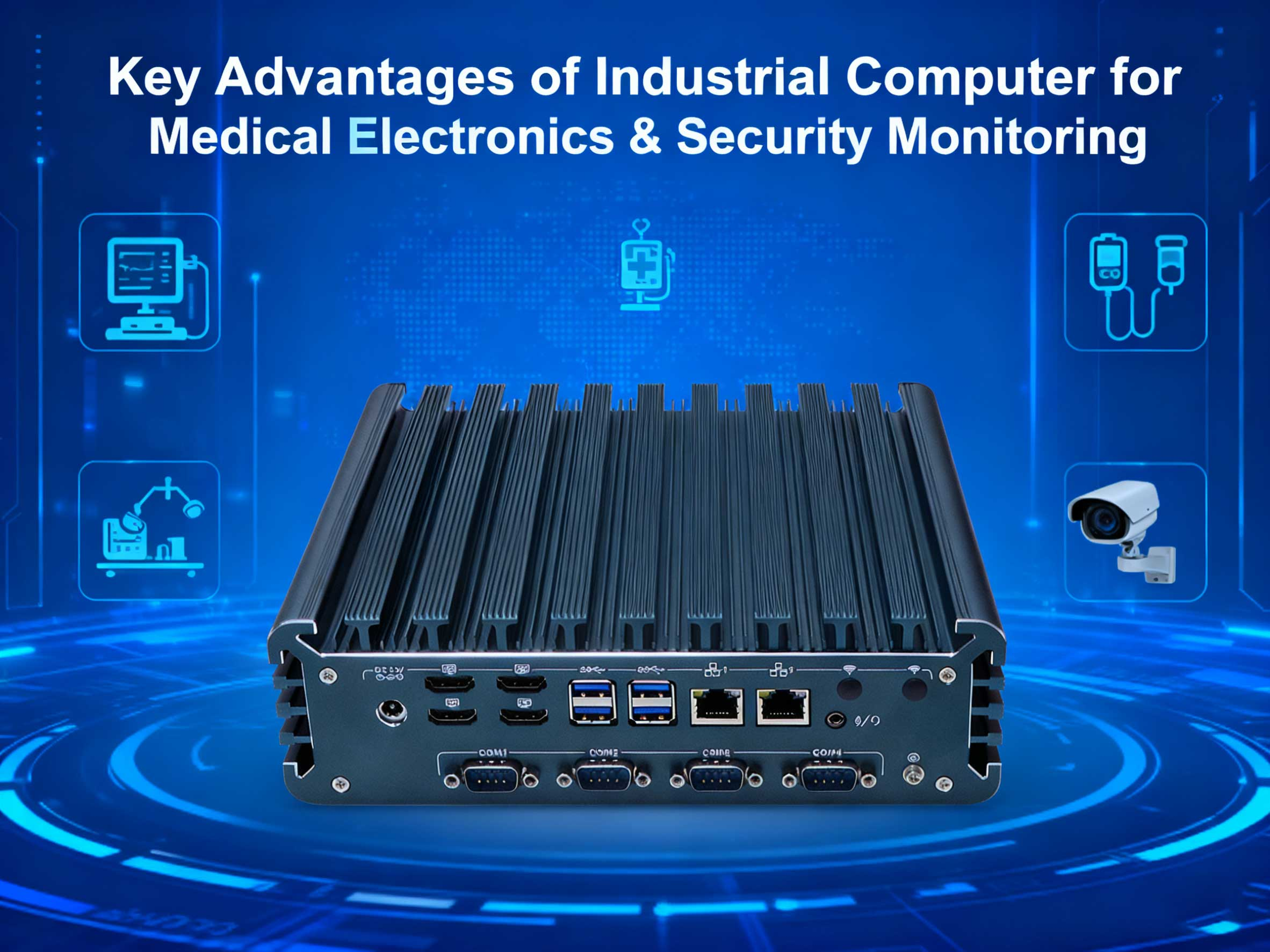
Real-Time Data Processing for Advanced Medical Diagnostics
The Growing Demand for Instantaneous Diagnostics in Modern Healthcare
The healthcare system is under massive strain right now when it comes to making quick and accurate diagnoses. More people are coming through hospital doors every day, and their medical problems just keep getting more complicated. We have an older population overall, plus all these chronic illnesses that need constant monitoring. Fast diagnosis matters most in places like ERs and ICU wards, where doctors literally have minutes to decide what to do next. These days, there are advanced analytics tools that crunch tons of patient data in real time while also spotting bigger patterns throughout whole hospital systems. Doctors can then respond much quicker to what they see in this data stream. For instance, catching heart attacks or strokes early makes a huge difference in patient survival rates.
How Industrial Computers Enable High-Speed Data Processing in MRI and CT Systems
Industrial computers serve as the core processing units behind modern medical imaging equipment, giving them the muscle needed to handle fast data collection for things like MRIs and CT scans. These aren’t your run-of-the-mill computer setups though. They’re built tough enough to keep running smoothly even when scans last hours on end, which is pretty common in hospitals where patient backlogs happen all the time. The solid build quality means doctors don’t have to worry about system crashes while images are being reconstructed from raw scan data. And let’s face it, nobody wants pixelated brain scans showing up on their monitors mid-procedure. Because these machines just keep ticking along without hiccups, radiologists get clear images right away, which makes all the difference when someone needs urgent surgery or has symptoms pointing to something serious like a stroke.
Supporting AI-Driven Diagnostic Tools in Resource-Intensive Medical Applications
AI and machine learning are changing how doctors diagnose patients but there’s one big catch they need tons of computing power to work properly. That’s where industrial computers come in handy because they run those complex AI programs that look at medical scans with amazing accuracy, figure out how diseases might progress over time, and find important trends hidden in all those electronic health records. These powerful machines handle really demanding jobs like interpreting X-rays and MRIs as they happen, spotting when patients might start getting worse before it happens, and even reading through doctors’ handwritten notes to pull out useful information. The best part? They do all this while keeping everything secure and compliant with strict regulations. Hospitals can now get their hands on top notch AI technology without worrying about whether it will actually work reliably day after day.
Durability and Reliability in 24/7 Clinical Environments
Industrial computers built for healthcare settings need to keep running nonstop despite all sorts of tough conditions. These machines come with no fans so dust doesn’t get everywhere, plus their cases can handle bumps and drops without breaking down. They work fine even if temperatures swing around quite a bit too. That matters because hospitals cant afford computer failures that might put patients at risk. The designs follow strict rules set out by standards such as IEC 60364 for electrical safety in medical buildings. Continuous operation is absolutely necessary especially in intensive care units where any kind of power glitch or system crash could lead to life threatening situations. Because these computers last longer between breakdowns, important devices like breathing machines and medication delivery systems stay online exactly when doctors and nurses need them during emergencies.
Seamless Integration with Hospital Information Systems and EHRs
Digital Transformation in Patient Data Management Through Industrial PCs
Industrial computers are really pushing forward the digital changes happening in healthcare today. They connect all sorts of things together - from those fancy medical gadgets we see in hospitals to lab equipment and even electronic health records systems. These machines work with standard protocols like HL7 and FHIR so information can zip through different systems without mistakes. When everything talks to each other properly, it knocks down those annoying data silos where important info gets stuck. Manual data entry becomes less necessary too, which saves time and money. Some studies suggest this could cut around $30 billion worth of wasted resources every year in American healthcare according to West Health Institute research. The hardware itself has enough muscle power to keep everything synchronized in real time, making sure patients’ records stay correct no matter which department someone checks them in or at what stage of treatment they’re looking.
Case Study: Deployment in Large Urban Hospitals for Efficient HIS Access
When a large city hospital system installed industrial grade computers across their facilities, they primarily targeted emergency rooms and intensive care units where doctors need quick access to medical records. These new workstations connected straight into the existing electronic health records system, cutting down wait times dramatically. What used to take around 20 seconds for nurses and doctors to pull up patient files, test results, and X-rays now happens in less than three seconds flat. The hospital also added convenient single sign-on features so staff didn’t waste time logging in multiple times throughout their shifts, plus automatic backups running in the background kept everything safe even during power outages. Looking at what happened after installation, administrators noticed something pretty impressive: nurses spent about 40% less time on paperwork, and during busy periods in the ER, they could handle 15% more patients without increasing staff levels.
Balancing Interoperability with Security in Integrated Medical Systems
Connectivity definitely helps coordinate patient care better, but there’s a downside too. The more connected things get, the bigger target they become for hackers looking to exploit vulnerabilities. That’s where industrial computers come in handy. They have those TPM chips built right into them, plus secure boot processes that stop unauthorized software from running. And don’t forget about the encryption that protects data moving between devices. These machines also let hospitals set different access levels so only certain staff members can see what they need to. For example, nurses might get one level of access while IT folks have another. Plus, everything gets logged so administrators know who did what when. When security is baked into the actual hardware itself, hospitals can work with all sorts of medical devices and systems without worrying about breaking HIPAA rules. This matters a lot now that more and more medical gadgets are getting connected to hospital networks every day.
Cybersecurity and Data Privacy Protection in Connected Healthcare
Escalating Cyber Threats to Medical Devices and the Role of Industrial PCs
Cybersecurity has become a major headache for healthcare providers in 2024, with nearly 9 out of 10 organizations experiencing at least one cyberattack last year. When this happens, it’s not just confidential patient information that gets compromised. Clinical operations grind to a halt too, putting patient care at risk and shaking confidence in the system as a whole. Hackers are especially after connected medical equipment these days because many of these devices can be accessed remotely and don’t have strong built-in defenses. That’s where industrial computers come into play. These machines are built differently from regular office computers, with extra layers of security woven right into their design. They’re meant to handle critical tasks without fail, offering much better protection than standard consumer hardware. This makes them essential for protecting sensitive health data and keeping medical devices working properly in places where failure isn’t an option.
Built-In Security Protocols for Safe Telemedicine and IoMT Integration
The security built into industrial computers is designed specifically for healthcare environments. These machines come equipped with things like hardware encryption right at the chip level, physical enclosures that resist tampering, and secure boot processes that stop anyone from messing with the firmware without permission. When it comes to telemedicine setups and Internet of Medical Things (IoMT) devices, the security gets even tighter. The systems make sure all communication between devices stays encrypted from start to finish, require multiple forms of verification before granting access, and let administrators control who can see what data. This kind of protection matters a lot because patients need their virtual doctor visits and ongoing health monitoring to stay confidential. Compliance with regulations such as HIPAA isn’t just about following rules either—it’s about keeping sensitive medical records safe from prying eyes across the entire care process.
Case Study: Secure Remote Monitoring Platforms Using Industrial-Grade Hardware
One major city hospital recently put industrial computers to work running their remote patient monitoring system for people with long term health issues. Their security setup included strong encryption both when data was moving around and when stored, constant checks on who was accessing what, which stopped about 99 out of 100 automatic cyber attacks from getting through, plus detailed logs tracking every time someone accessed the system. What this shows is that using serious grade computer equipment makes it possible to run safe and growing telehealth services without compromising on data security requirements. This kind of approach builds confidence among patients and staff alike, something absolutely necessary these days when healthcare is becoming so interconnected across different platforms and devices.
Mobility and Flexibility in Point-of-Care and Telemedicine Applications
Industrial computers are pivotal in advancing decentralized healthcare models. Their compact size, rugged design, and reliable performance make them ideal for bringing sophisticated diagnostics beyond traditional hospitals and directly to patients.
Compact Industrial Computers Powering Portable Ultrasound and Bedside Diagnostics
The portable ultrasound systems along with those mobile diagnostic carts need industrial computers that are both light weight but still powerful enough to manage high resolution images while doing real time analysis. What makes these devices stand out is their long lasting batteries, they run without fans, and can withstand shocks plus spills which matters a lot when working in busy ERs, at patients bedsides, or even when moving patients around. When doctors can do proper diagnoses right where they are instead of waiting for lab results, this cuts down on wait times, makes workflows smoother overall, and helps medical staff make quicker decisions about treatment plans.
Expanding Rural Healthcare Access via Industrial PC-Based Telehealth Kiosks
Industrial computers are becoming essential tools in remote and less populated areas where healthcare access is scarce. These tough machines combine all sorts of medical equipment - think digital stethoscopes, high definition cameras, and devices that track vital signs - into one dependable box that actually works well despite poor infrastructure. What makes them stand out? They handle power fluctuations pretty well and keep running without constant maintenance. Doctors can talk to patients through secure video calls while sending health data instantly to specialists far away. Research indicates these telehealth setups based on solid computer systems really make a difference. Patients don’t have to travel long distances anymore, and doctors get to help more people than ever before. The hardware itself is built to last in tough environments, which matters when clinics face dust storms or sudden power cuts during critical moments.
FAQ
Q1: How do industrial computers improve healthcare diagnostics?
Industrial computers enable real-time data processing, support AI-driven diagnostic tools, and provide high-speed data processing in MRI and CT systems, leading to faster and more accurate diagnoses.
Q2: Are industrial computers reliable in clinical environments?
Yes, they are built to withstand tough conditions, operate continuously, and adhere to strict medical standards, making them extremely reliable in clinical settings.
Q3: How do industrial computers enhance data security in healthcare?
Industrial computers integrate built-in security protocols, like hardware encryption and secure boot processes, to safeguard patient data and ensure compliance with regulations like HIPAA.
Q4: What is the significance of industrial PCs in telemedicine?
Industrial PCs provide robust security and reliability for telemedicine and remote monitoring platforms, ensuring safe and effective patient care across connected healthcare systems.
Table of Contents
- Real-Time Data Processing for Advanced Medical Diagnostics
- Durability and Reliability in 24/7 Clinical Environments
- Seamless Integration with Hospital Information Systems and EHRs
- Cybersecurity and Data Privacy Protection in Connected Healthcare
- Mobility and Flexibility in Point-of-Care and Telemedicine Applications