 EN
EN

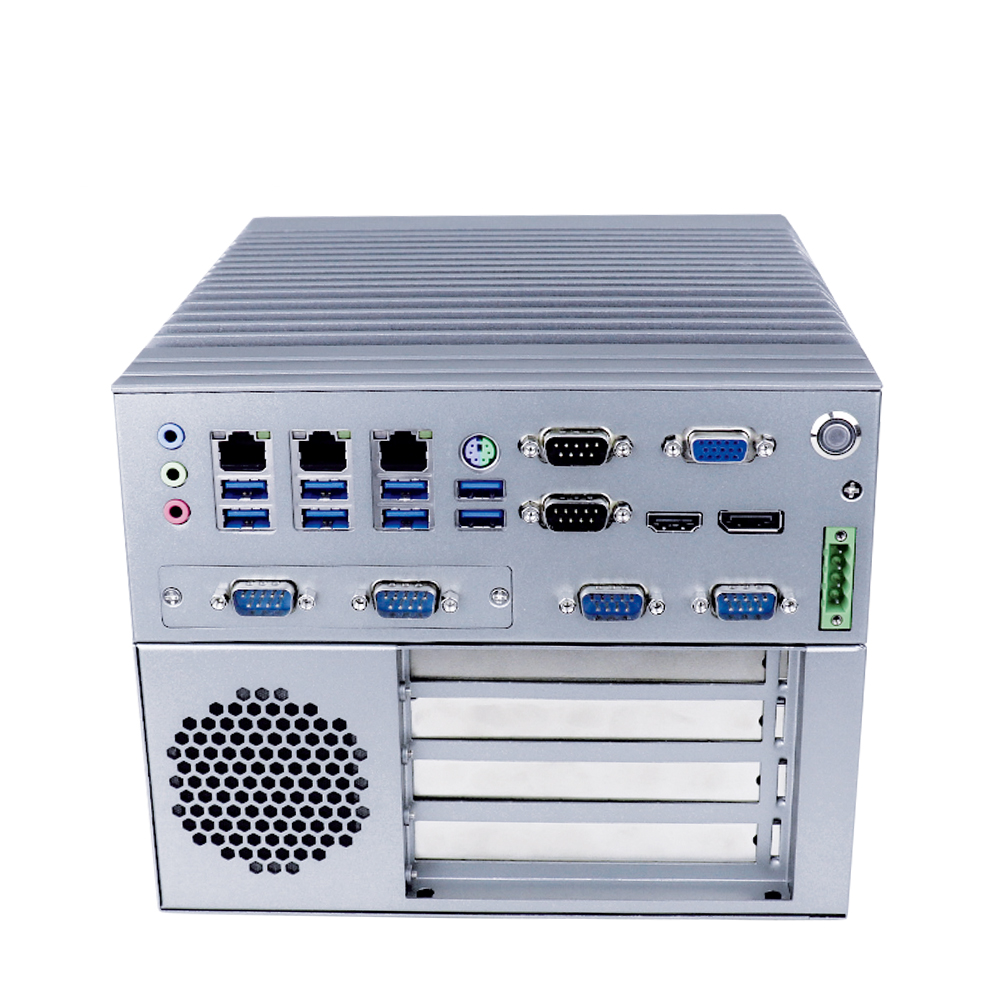
Advantages of Multi-Expansion Slot Fanless Industrial PCs
Enhanced Durability in Harsh Environments
Fanless industrial PCs with multiple expansion slots are built to handle tough environments where regular computers would fail. They stand up to heat extremes, constant vibrations from machinery, and accidental impacts because of how solidly they're constructed. The materials these machines are made from really make a difference too. Most factories need equipment that keeps working day after day without breaking down. Research shows that fanless models tend to outlast standard PCs by quite a margin actually some tests put it around 50% longer life span when exposed to rough conditions. That's why so many manufacturing plants rely on these durable systems for critical operations where downtime just isn't an option.
Customization Through Expansion Slots
Industrial PCs with multiple expansion slots but no fans provide really good options for custom builds. Organizations can modify their hardware setup based on what they actually need, adding things such as graphics processing units, raid controllers, or those special input/output ports when necessary. Being able to tweak systems this way helps businesses keep up with new tech developments and adjust operations as needed without having to throw out entire machines. Some studies indicate around a 20 to 30 percent boost in how efficiently operations run for firms that go with these kinds of adaptable systems. That kind of improvement matters a lot when trying to stay ahead in fast moving manufacturing settings where demands constantly change.
Noise-Free Operation and Reduced Maintenance
Fanless industrial PCs have something going for them that really stands out noise free operation. Nobody likes working in a loud environment, and constant background noise from equipment can make it tough to concentrate or communicate properly, particularly in places where workers need to be precise with their tasks. Another big plus is that without those spinning fans and other moving parts, there's just not much maintenance required over time. That means lower costs across the board when looking at everything these machines cost to run. Some studies have shown that quieter workplaces with less upkeep can actually boost how productive employees are, sometimes even by around 15%. Manufacturing floors and control rooms especially see real improvements in workflow efficiency after switching to these silent computing solutions.
Temperature and Dust Resistance
Fanless industrial PCs stand out when it comes to handling extreme temperatures and resisting dust buildup thanks to their sophisticated thermal management systems that work hard to soak up and get rid of excess heat. The way these machines are built keeps dust from settling inside, which means they keep running reliably even in tough industrial environments where regular computers would fail. Most of these units meet pretty high IP rating standards, something that shows how well they protect against both dust particles and moisture intrusion. Industry data tells us that equipment with better IP ratings tends to last much longer before breaking down in dusty workplaces. For manufacturers operating in places filled with fine particles like metal shavings or wood dust, investing in fanless PCs makes good business sense since downtime costs money and reliability is everything.
Key Considerations When Choosing a Fanless Industrial PC
Expansion Slot Types and Compatibility
Looking at expansion slots should be high on anyone's list when picking out a fanless industrial PC. Expansion options like PCIe and PCI matter because they determine whether the machine will handle future upgrades down the road, including things like extra graphics cards or special input/output ports. Getting this right from the start makes all the difference for businesses wanting to grow their systems over time. Most companies find themselves stuck paying extra money later on if they don't check how well new hardware works with what they already have installed. Some studies claim around 10 to maybe even 15 percent savings just from doing these basic compatibility tests upfront. Investing a little extra attention to those expansion slot choices today pays off big time later, helping keep operations running smoothly while avoiding those frustrating stoppages caused by incompatible equipment.
Passive Cooling Mechanisms for Longevity
Getting to grips with how passive cooling works in fanless industrial PCs makes all the difference when it comes to making them last longer. Things like heat sinks and those rubbery thermal pads do a pretty good job at getting rid of excess heat, which helps keep everything running reliably. When components stay cool, they tend to stick around much longer, and the whole system just runs smoother too. Some research out there suggests that proper passive cooling might actually make parts last twice as long as usual, especially important when dealing with tough conditions on factory floors or outdoor installations. For anyone serious about keeping their industrial computers up and running, investing in better thermal management isn't just smart it's practically essential for ensuring both durability and consistent performance over time.
IP Ratings for Dust and Liquid Protection
When picking out a fanless industrial PC, IP ratings matter a lot, particularly if the setup will be in places where dust and moisture tend to get inside. Ratings like IP65 or better mean the device stands up well against those kinds of problems, something that really helps keep systems running smoothly without unexpected breakdowns. Most makers of these computers agree that models with higher IP ratings just don't break down as often. That translates into better reliability day after day, something that counts for everything in manufacturing settings where downtime means lost money. Look for machines with IP ratings that fit what kind of conditions they'll actually face on site.
Operating Temperature Ranges
Understanding what temperature range an industrial fanless PC can handle is really important when picking equipment for harsh environments. These fanless models generally last through much broader temperature swings than regular PCs do. That's why they work so well in places where temperatures jump around all the time. Field tests show machines built for tough temps tend to keep running without problems far longer than others, cutting down on expensive downtime and making operations run smoother overall. Getting the right specs matched to actual working conditions means better performance from day one and saves money in maintenance over time too.
Comparing Fanless vs. Actively Cooled Industrial PCs
Durability in Particulate-Rich Environments
Industrial PCs without fans tend to last much longer when placed in dusty environments filled with all sorts of airborne particles. The main reason? They don't have fans at all, which are basically doorways for dust and dirt to get inside the machine. A recent test actually found that these fanless models can stick around about 30 percent longer in really dirty conditions compared to regular PCs with cooling fans. Another big plus is that there are no moving parts to break down over time. This means less maintenance headaches and fewer unexpected shutdowns during critical operations. Many factories have reported significant improvements in uptime after switching to fanless systems, especially in manufacturing areas where dust is always an issue.
Performance Trade-offs in Extreme Conditions
Fanless systems are pretty good at handling heat buildup, but sometimes actively cooled ones actually perform better when things get really intense. Anyone looking at these systems should check how they stack up against each other when pushed to their limits and exposed to harsh conditions. Even though there's that performance gap, most businesses still go for fanless options because they tend to last longer through tough operations. Around 60 percent of companies have made this choice based on real world experience. People seem to trust fanless designs more because they just don't break down as often, which makes sense for places where equipment needs to keep running smoothly without worrying about melting down.
Lifespan and Total Cost of Ownership
The decision between fanless and traditional cooled PCs really comes down to how long they last and what they'll cost to maintain over time. Most folks find that fanless models generally stick around longer before needing replacement, which means saving money in the long haul. These machines also eat up less electricity, need almost no upkeep, and rarely break down during operation all while keeping running costs low. Some studies point to companies cutting their overall spending by roughly 40 percent after ten years when switching to fanless options. That kind of financial benefit makes them particularly attractive for small businesses watching every penny without sacrificing performance.
Applications for Multi-Expansion Slot Fanless Systems
Factory Automation and Process Control
Fanless systems with multiple expansion slots are becoming increasingly important for factory automation and controlling industrial processes. They handle all sorts of machinery and production line tasks, process data instantly as things happen on the floor, and run much quieter than regular computers while generating far less heat. This matters a lot in places like food processing plants or metal fabrication shops where normal desktops just don't stand up to the heat and dust conditions. Factories that switch to these fanless setups often see around 20 percent boost in productivity numbers, which shows how well they handle complicated manufacturing operations day after day. What makes these systems so valuable is their ability to keep running reliably without constant maintenance headaches or overheating problems that plague conventional computing equipment in tough industrial environments.
Outdoor Kiosks and Digital Signage
Multi expansion slot fanless systems work really well for outdoor kiosks and digital signs because they resist dust buildup and water damage so effectively. They stand up to all sorts of weather without breaking down or losing power. Traditional computers just aren't cut out for this kind of treatment. Fanless models keep running even when exposed to direct sun rays throughout the day, which makes them reliable choices for places where people gather or in hard to reach spots. Market research shows digital signage installations are growing at around 15% per year, showing how badly businesses need equipment that lasts through tough conditions. What makes these systems special is their ability to show important messages and ads consistently without getting too hot inside, something regular computers struggle with after hours of operation.
Transportation and Energy Infrastructure
Fanless computers are becoming increasingly popular across transportation and energy sectors because they offer dependable performance even under tough conditions. For train control systems specifically, where downtime can be catastrophic, these fanless units deliver what traditional systems struggle to maintain - constant reliability thanks to their solid construction. Energy companies have also found value in these devices for grid monitoring tasks and managing solar/wind installations. The hardware just doesn't break down as easily as regular desktops would when exposed to dust, heat fluctuations, or vibrations. According to some industry reports, facilities that switched to fanless setups saw their operational efficiency jump around 25% in certain cases. This makes sense considering how much time technicians spend fixing cooling issues on standard equipment. Without all those fans to clog up or fail, maintenance crews get to focus on actual problems rather than constantly cleaning out air vents.
For further product-specific details on fanless systems tailored for these applications, feel free to access links to product descriptions directly to explore their specifications and pricing.