 EN
EN

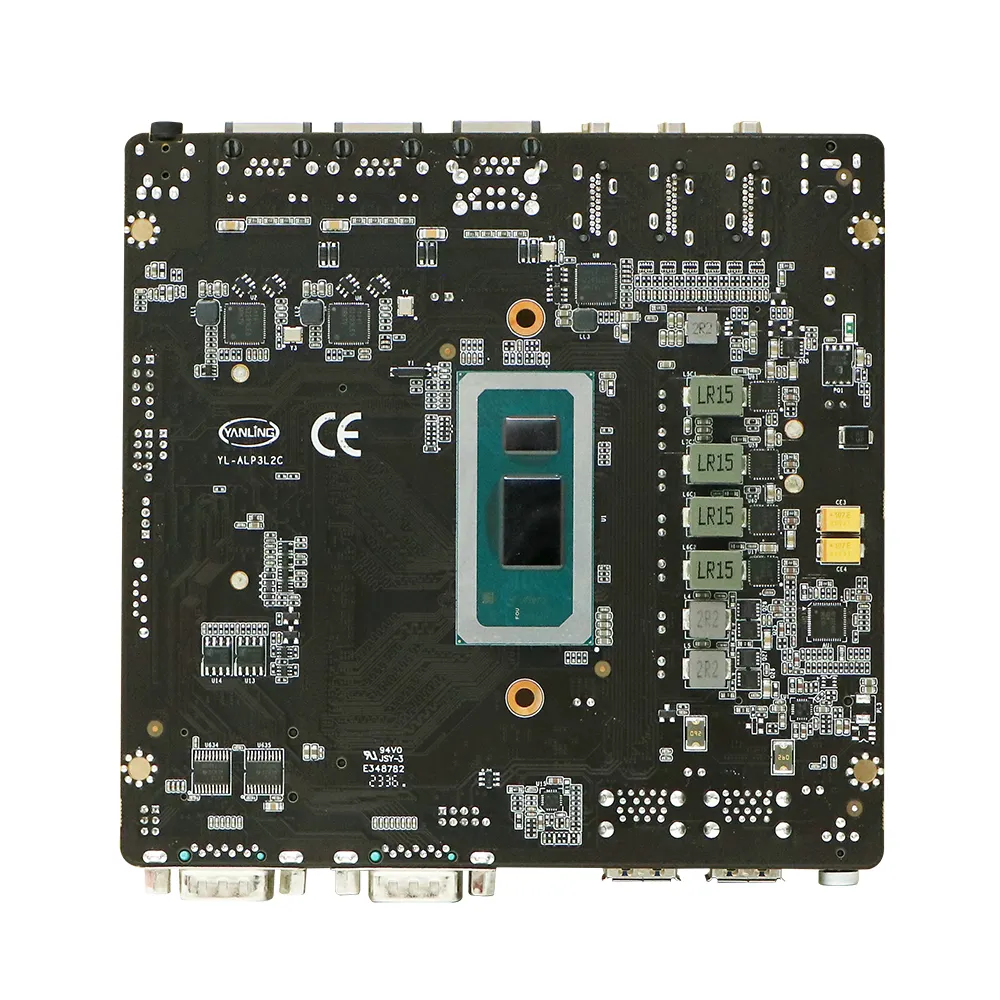
Understanding Mini ITX Motherboards in Compact Computing
What Makes Mini ITX Ideal for Small Form Factor Builds?
Mini ITX boards were made for those tiny computer cases that people love building these days. They're pretty small at around 6.7 by 6.7 inches, so they fit nicely into tight spaces without taking up much room. What makes these boards stand out isn't just their size but also what comes built right in. Most have plenty of USB ports and good audio options, so folks don't need extra cards sticking out all over the place. A lot of models come with onboard graphics too, which means no need for a big graphics card sitting there eating up valuable real estate inside the case. Because of this combination of features, Mini ITX boards work really well in media centers for watching movies or in little gaming machines where every inch counts. When someone wants something powerful but doesn't want a giant tower on their desk, these mini boards with built-in graphics become super important for getting everything working properly in those small form factor systems.
Mini ITX vs. Traditional Motherboards: Size vs. Functionality
Mini ITX boards take up way less room than standard ATX or MicroATX motherboards while still keeping all the basic features we need. They don't have many expansion slots though usually come with at least one PCIe slot so folks can still add things like graphics cards or network adapters when needed. Smaller form factor means these systems generally eat up less electricity too, which is pretty handy for people building compact setups. Tech improvements over recent years have made Mini ITX capable of handling some serious workloads now, standing toe to toe with bigger boards in certain situations. Still worth checking what exactly someone needs before jumping in though. For gaming rigs needing multiple graphics processors or workstations packed with peripheral devices, Mini ITX just won't cut it. So really the whole discussion around Mini ITX vs traditional boards boils down to figuring out how much space matters versus what kind of performance is actually required for a particular project.
Space Efficiency and Expansion Trade-Offs
Choosing between Mini ITX, MicroATX, and ATX form factors really depends on what matters most in a build. Mini ITX boards take up next to no space at all, sitting at around 6.7 inches square, which makes them perfect for tiny cases but leaves little room for expansion cards. That's where MicroATX steps in, clocking in at about 9.6 inches across. These boards strike a nice balance between compactness and functionality, offering more slots than Mini ITX without taking over the desk. Then there's ATX, the big brother of motherboard form factors. These massive boards give plenty of space for extra RAM sticks and various expansion cards, so they're great for power users running demanding software. Ultimately, builders have to weigh how much space they want to save versus how many components they might need to add later on. For those looking to keep things neat and tidy without sacrificing too much performance, Mini ITX remains a solid choice despite its limitations.
Performance Capabilities Across Different Sizes
People still think bigger ATX cases house the most powerful hardware, but Mini ITX boards have come a long way in recent years. The little guys now pack some serious punch with integrated graphics solutions that actually work pretty well for casual gaming and everyday apps that don't guzzle electricity. Mini ITX boards also include fast connections like PCIe 4.0 and even 5.0 in some models, which means they won't look outdated next year when newer hardware comes out. Take home theater PCs for instance these tiny systems can handle movie playback and streaming without breaking a sweat, all while taking up less space on the shelf. Tech reviewers have run the numbers too, and their benchmark tests show Mini ITX builds often perform just as good as bigger boards from a few years ago. For folks who want something small but still wants decent performance, this form factor hits that sweet spot where size doesn't sacrifice capability.
Gaming Rigs: Power in Minimal Space
Gamers love how Mini ITX systems pack so much power into such small packages, letting them create serious gaming machines without needing a whole room for equipment. The latest tech improvements mean these tiny boxes can now handle top notch components too - think fast processors and decent built-in graphics cards that actually work well together. We're seeing more people switch to these compact setups lately, especially those who want something they can easily transport between friends houses or take along to local LAN events. Companies specializing in computer hardware have started making cases specifically tailored for gaming purposes, which shows just how big this trend has gotten. Real world feedback from actual players often mentions how flexible these systems are, plus how they still manage to run even the toughest games at max settings without breaking a sweat.
Home Theater PCs (HTPCs) with Integrated Graphics
Mini ITX boards work great for building Home Theater PCs because most come with built-in graphics already. No need to cram a big graphics card into the case when it's not required for basic media playback. For folks wanting to watch HD movies or stream content without breaking the bank on hardware, this makes things much simpler. The small form factor cases look right at home next to other living room electronics too, since they fit nicely on shelves or behind furniture. Plus, these systems don't guzzle electricity like bigger desktops do, saving money on power bills over time. Looking at what people are doing lately, there seems to be growing interest in setting up HTPCs using Mini ITX components across various online forums and tech communities.
Industrial Uses: Kiosk Touch Panel PCs and 1U Rack Servers
Mini ITX systems have become a go-to solution across many industrial settings, particularly useful in places like retail kiosks where touch panels need to work reliably day after day. When we look at data centers, these small form factor systems actually form the foundation for those 1U rack mount servers, saving valuable floor space while making cooling much more efficient. Manufacturers love them for embedded applications too because they just keep running no matter what - perfect for things like factory automation equipment that can't afford downtime. The market trends tell us something interesting too: there's been a noticeable increase in demand for compact servers at the edge of networks, and Mini ITX tech is showing up everywhere from smart cities to agricultural monitoring systems. Real world tests in manufacturing plants and logistics hubs consistently show that switching to Mini ITX setups cuts down on maintenance headaches and saves money long term, which explains why so many companies are jumping on board.
Thermal Management Strategies for Compact Cases
Keeping things cool in Mini ITX builds matters a lot because there just isn't much room for proper airflow inside those tiny cases. When building one of these compact systems, people often turn to solutions such as low profile coolers and carefully arranged fans to get better cooling results. Applying good quality thermal paste between components makes a real difference too since it improves how well heat moves away from critical parts, which keeps the whole system running smoothly without crashing. Ventilation options matter quite a bit here as well. Some builders swear by certain case designs that actually channel air through the system properly instead of trapping hot air inside. Most experienced builders have seen firsthand how these approaches work wonders for temperature control, allowing their Mini ITX machines to handle pretty intense workloads without breaking a sweat.
Optimizing Airflow and Component Selection
Getting the components and case design right makes all the difference when it comes to airflow in Mini ITX builds. A good case lets air move freely through the system, which matters because cramped components inside tend to run hotter than they should. Going with low profile parts helps both airflow and looks great too, keeping things tidy even in those tiny cases. High quality fans work wonders, though some folks swear by liquid cooling setups for maximum performance gains. Positioning fans properly according to manufacturer specs really cuts down on those pesky hot spots while keeping temps stable across the whole build. Most tech reviewers will tell anyone who'll listen that picking components carefully and managing airflow effectively are what separates decent Mini ITX builds from truly outstanding ones.
Advances in Integrated Graphics and PCIe 5.0 Support
Mini ITX platforms are getting some serious upgrades thanks to new stuff happening with integrated graphics tech, which makes them better than ever for things people used to think were impossible in such small form factors like gaming. The graphics built into these tiny boards have come a long way, letting compact systems handle jobs that would normally need separate graphics cards. Something else worth mentioning is the arrival of PCIe 5.0 support, which means data moves around much faster inside these little boxes. With more hardware starting to adopt this newer standard, we're seeing mini ITX builds become surprisingly flexible for today's computing needs. Looking ahead, many experts believe we'll soon see mini ITX systems that can run proper games and even professional software without giving up their space-saving advantages. Some early prototypes already show promise in this direction.
Role in Next-Gen Edge Computing and Compact Servers
Mini ITX systems are becoming increasingly important in next generation edge computing, providing compact yet powerful options for processing data right where it's generated. With their tiny size and minimal energy requirements, these systems work great in tight spaces like manufacturing floors or retail stores. Many companies looking to boost their edge computing capabilities have turned to mini ITX tech recently, and market analysts see growing interest ahead. Industry reports point toward rising demand for smaller servers specifically designed for IoT networks and smart city infrastructure projects. Real world tests have demonstrated how well mini ITX units perform in various edge computing scenarios, from warehouse automation to remote monitoring stations. While no one can say exactly what the future holds, current momentum suggests mini ITX will continue shaping how we approach compact server solutions across multiple industries.
Table of Contents
-
Understanding Mini ITX Motherboards in Compact Computing
- What Makes Mini ITX Ideal for Small Form Factor Builds?
- Mini ITX vs. Traditional Motherboards: Size vs. Functionality
- Space Efficiency and Expansion Trade-Offs
- Performance Capabilities Across Different Sizes
- Gaming Rigs: Power in Minimal Space
- Home Theater PCs (HTPCs) with Integrated Graphics
- Industrial Uses: Kiosk Touch Panel PCs and 1U Rack Servers
- Thermal Management Strategies for Compact Cases
- Optimizing Airflow and Component Selection
- Advances in Integrated Graphics and PCIe 5.0 Support
- Role in Next-Gen Edge Computing and Compact Servers