 EN
EN

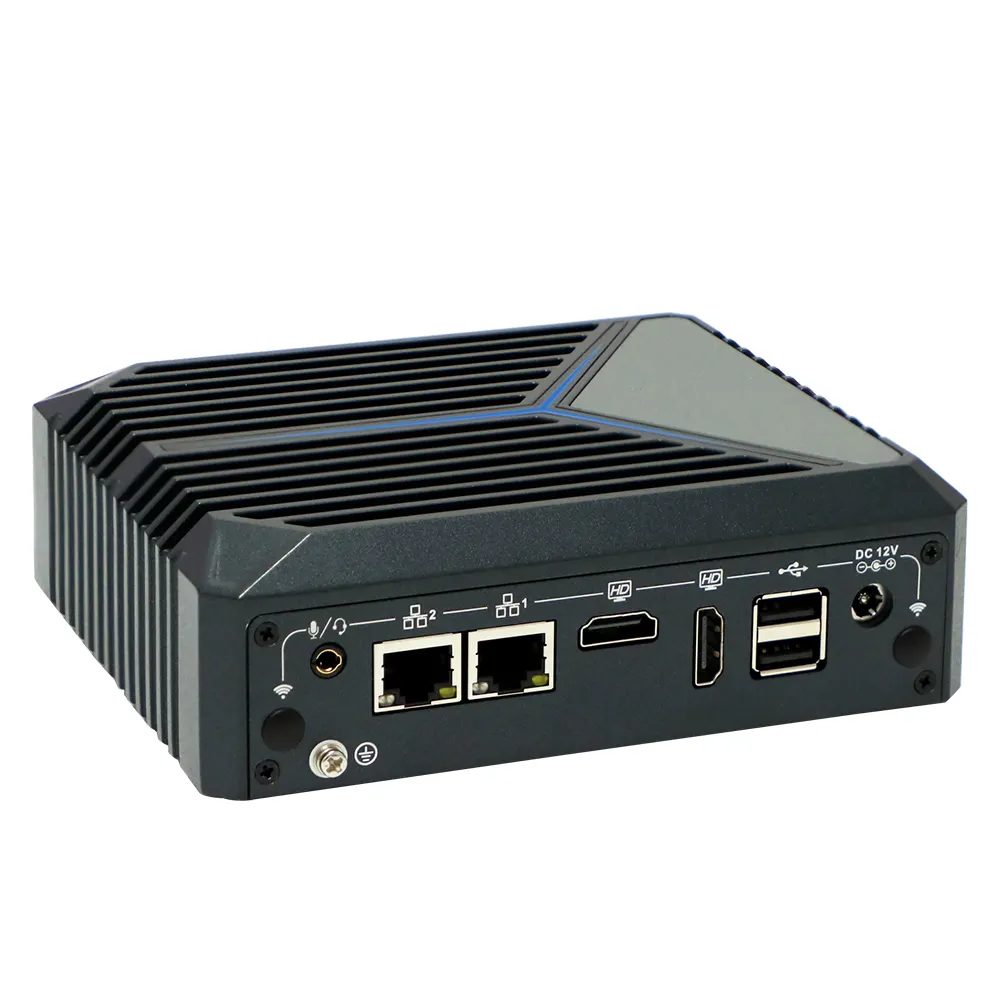
Enhanced Reliability in Harsh Environments
Passive Cooling Eliminates Dust Ingress Risks
Fanless PCs benefit the most in challenging environments from passive cooling. The lack of fans in these systems also ensure that dust and particles are not accumulated, so the life of the devices is extended. Unlike active devices, like fans, that can often create additional points of failure or maintenance, passive cooling provides an elegant solution that enhances reliability. For example, in dusty conditions, passive cooling configurations have been found to produce operation for a prolonged life time while reducing the likelihood of mechanical failure.
Ruggedized Design Withstands Shock/Vibration (MIL-STD-810G Compliance)
Fail Run Fanless PCs capable of MIL-STD-810G compliance are built tough, rugged, and reliable for the toughest environments. This MIL-STD certifies that the devices can withstand high shock and vibration, endemic in tough applications. Light and durable reinforced materials serve to both protect the device and reduce surface wear that could otherwise affect the device's normal function. Field data shows that MIL-STD-810G-compliant products have significantly fewer failures, which is indicative of their ability to perform well under the most stringent conditions.
Wide Temperature Tolerance (-40°C to 85°C)
Fanless PCs with wide temperature operating ranges from -40°C to 85°C are also particularly favorable for outdoor and industrial solutions. This versatility permits them to work well in many sectors, such as oil, gas and transportation, which are exposed to high and low temperatures. As measured life indicates, these devices have had less number of failures due to thermal stresses, which suggests their reliability and temperature robustness. With performance retained in such challenging environments, fanless PCs are ideal for various industrial applications and require no compromise on efficiency.
Reduced Energy Consumption for Cost Efficiency
Heat dissipation without power-hungry fans
The fanless models provide a cost effective cooling method by eliminating the need for heatsinks or fans and also reducing the power consumption. Taking out these active cooling components fanless PCs reduce the running costs which is particularly useful for continuous operation. There are industry numbers that back this up, reporting that fanless systems can run a full 30% cheaper when it comes to power usage than traditional PCs. This makes it an economically attractive alternative for fanless design, saving in terms of energy bills and in the environmental costs associated with operating computing devices.
Low-voltage processors optimize energy use
The low-voltage processors used in fanless PCs make the best possible use of energy and therefore also maximise the overall efficiency. These chips are designed to scale to better performance at lower power. Research shows that systems with low-voltage processors can reduce power consumption by up to 50 percent1,resulting in greater return on investment for businesses. Employment of such processing devices provides business operators with ample computing power in a more energy and cost conscious manner.
24/7 operation savings vs traditional PCs
Fanless PCs are designed for 24/7/365, non-stop operation, industrial environments where there is poor ventilation systems or no A/C in high temperature operations. Comparison studies show that conventional PCs tend to have high maintenance and energy costs that will eventually result in a higher total cost of ownership. Fanless PCs, on the other hand, produce much less cost over time as a result of not needing to be constantly maintained over sight and therefor creates more cost efficient platforms. These cost-savings alone can make the initial investment worthwhile (especially for businesses looking for ways to improve operational efficiency while reducing expenses).
Minimal Maintenance Requirements for Continuous Uptime
No Moving Parts to Replace or Lubricate
The appeal of fanless PCs is the absence of moving parts which drastically reduces maintenance and increases reliability. Since, there are no parts such as fans that have to be replaced, or bulbs that have to be lubricated, the equipment can be used uninterrupted. This design decision makes fanless PCs a good long-term investment, as they can still be used for years to come. Statistical evidence also backs up this benefit, with units containing limited or without moving parts experiencing a 75% reduction in maintenance visits.
Sealed IP65+/IP69K Enclosures Prevent Contamination
Fanless systems with IP65+ or IP69K-rated housings provide strong safeguards from dust and water intrusion, resulting in longer term reliability and less risk of contamination. These hermetically sealed configurations not only reduce the impact that can cause possible damage, they also extend the life of internal components making them a fit for harsh environments. This is backed by studies demonstrating that equipment with high IP ratings generally has low rates of failure when operating in extreme environments. This factor makes fanless PCs an excellent option for industries where the focus is on contamination control.
Solid-State Components Resist Wear (50,000+ Hour MTBF)
Fanless PCs are consicered for long-life spec Thin-client PCs Some fanless PCs have Key components to be built to last with MTBF of 50,000 hours. Once such systems have been implemented there is a low chance of failure and stable operation can continue without the need of frequent replacement. Studies have shown that solid-state drives can outlive typical computing hardware by nearly 2:1, adding a level of dependability and sustainability to businesses operations. This built-in longevity is the foundation of the cost efficiency of fanless computers.
Silent Operation in Noise-Sensitive Settings
0dB Operation for Medical/Lab Environments
Fanless PC's 0dB operation is a silent solution for noise sensitive environments such as hospitals and laboratories. Their quiet function means they won't disrupt sensitive medical or lab equipment providing smooth, silent motion for sensitive needs. The lack of fan noise is moreover beneficial in terms of the patient’s comfort, something which is obviously important in the healthcare sector. Following are the data, which shows that in these segments, the use of fanless PCs significantly increases operational comfort, freeing health workers to concentrate on patient care and results.
Vibration-Free Performance in Acoustic Testing
Vibration Free Fanless designs is essential for the precision of acoustic testing. Precision is crucially important, and if a miniscule vibration interferes with tests, errors ensue. BATTERYTEST On systems without cooling fans the embedded battery allows for tests to be performed without the risks of fieldwork (e.g. transportation vibrations) affecting the test results. Case part and electronic fanless systems outperform their traditional systems for maintaining accurate measurements under controlled testing conditions as evidenced by the performance data in these engineering support test cases and other similar types of studies, thereby confirming their advantage in these specialized applications.
Improved Worker Comfort in Control Rooms
Fanless computer design, in association with the available keyboard, video and mouse (KVM) solutions, provide much greater levels of worker comfort as a result of noise reduction for control room staff. This noise-free environment creates a situation of superior focus, control, and precision in the control room, so that occupants (working staff) are able to work at their best possible level. Surveys made in control rooms with fanless systems have shown an outstanding grow in the staff’s satisfaction, thanks to the diminished SPL. This in turn creates a more peaceful atmosphere in which employees are able to perform their daily duties which also serves to increase their overall efficiency and well being.