 EN
EN

Core Functions of Embedded Computers in Industrial Automation
Real-Time Process Control and Machine Coordination
In industrial automation, embedded computers play a key role when it comes to real time process control and getting machines to work together smoothly. These systems process information almost instantly which really boosts productivity while cutting down on those frustrating stoppages. Take a look at how they work: special algorithms inside these computers keep an eye on all sorts of machine parameters and create feedback loops that adjust themselves based on what's happening on the factory floor. What we're seeing here is technology taking raw numbers and turning them into something useful for operators, so everything runs as efficiently as possible. Many companies who've adopted these real time control systems tell us their operations got better by around 30% give or take. That kind of improvement shows just how much difference embedded computing can make in manufacturing environments where every second counts.
Data Acquisition and Predictive Maintenance
Sensors built into embedded computer systems are essential for gathering all sorts of operational data needed for predictive maintenance. When companies analyze these readings, they can spot potential equipment problems before they actually happen, which cuts down on those annoying surprise breakdowns that disrupt production schedules. The whole system works because data analysis makes it possible to schedule repairs when convenient instead of waiting until something breaks down completely. According to various industry reports, businesses that implement predictive maintenance strategies often see around a 25% drop in their overall maintenance expenses compared to old school approaches. For manufacturers dealing with tight budgets, this kind of cost savings represents a real game changer in how they manage their facilities day to day.
Safety Monitoring and Hazard Detection
Safety monitoring and detecting hazards matters a lot in industrial environments, and embedded computers play a big role here. These computer systems can spot dangers as they happen, which means workers get warnings fast when something goes wrong. When dangerous conditions reach certain levels set by safety rules, the embedded systems kick in emergency shutdowns to stop whatever might cause injury or damage. Factories that have installed these monitoring systems report cutting down on accidents by about half compared to those without them. This kind of technology makes workplaces much safer overall, protecting both people and expensive machinery at the same time.
Rugged Design for Industrial Environments
1U Rack Mount Server Durability in Harsh Conditions
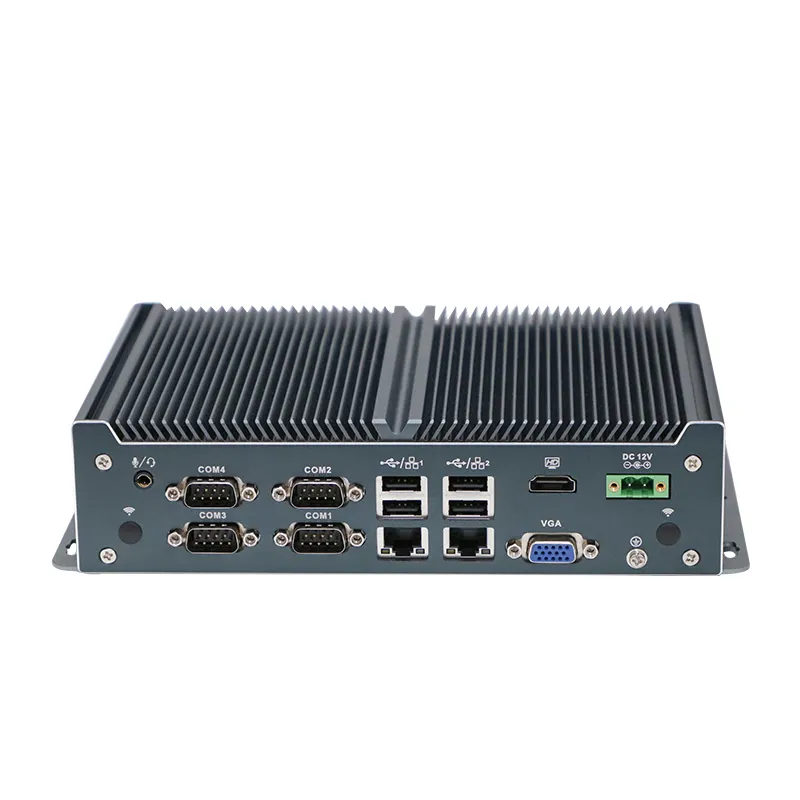
Industrial grade 1U rack mount servers stand up to some pretty tough conditions out there in factories and plants. They handle all sorts of punishment from heat waves to constant machine vibrations without breaking a sweat. What's really impressive is how these little workhorses pack serious computing punch despite their small size. The manufacturers build them with thick metal casings and special cooling systems so they can squeeze into tight server rooms or control panels while still running complex operations. Most of them last way longer than standard equipment because they're made with industrial grade components. That durability means fewer replacements down the line, which saves money over time. For anyone dealing with limited space and rough environments, these servers just make sense when looking at long term maintenance costs versus regular desktop alternatives.
Fanless Cooling Systems for Dust-Prone Facilities
Fanless cooling systems work really well in industrial settings full of dust and debris. Without needing fans to move air around, these systems stop dust from building up inside electronics, which keeps things running cleaner overall. Less dust means components last longer too. No fans also means less cleaning and replacing parts down the road, so companies save money on maintenance over time. Research shows that fanless computers handle dusty conditions pretty well, staying cool even when there's lots of particulate matter floating around. For factories or warehouses dealing with constant dust problems, going fanless makes sense both from a maintenance standpoint and long term cost perspective.
Vibration Resistance in Manufacturing Floors
Embedded computers in manufacturing environments face constant vibrations from machinery all day long, so they need solid builds to keep running smoothly. Manufacturers design these systems with extra care, putting them through rigorous testing to handle shocks and vibrations according to industry specs. The result? Machines stay stable and work reliably for longer periods. Factories report real improvements when using vibration resistant hardware. Fewer unexpected breakdowns mean production lines keep moving without those frustrating stoppages. For plant managers watching their bottom line, this kind of reliability makes all the difference in keeping operations efficient and profitable over time.
IoT Integration Through Specialized Hardware
Kiosk Touch Panel PCs for Human-Machine Interfaces
Touch panel PCs at kiosks are changing how people work with machines, providing an easy to use interface that makes interacting with equipment much simpler. These kinds of systems really boost productivity in different industries because they cut down on complicated steps when operating machinery. Studies show that when companies switch to touch screens instead of traditional buttons and switches, it takes workers about 40% less time to learn how things work. That means new employees get up to speed faster and spend more time actually doing their jobs rather than figuring out controls. The time saved during training lets staff concentrate on what matters most in production settings, making better use of available labor resources across factories and manufacturing plants.
Mini Box PCs Enabling Edge Computing
Mini box PCs play a key role in edge computing setups by allowing data processing right at the source point, which cuts down on lag times significantly. These small but powerful machines can handle real time analysis tasks and work well in industrial IoT settings where quick responses matter most for making decisions on the fly. Market studies show this tech is gaining traction fast, with predictions pointing toward massive expansion in the edge computing field over coming years. That means businesses across many sectors are increasingly turning to mini box PC solutions as their go to option. When data gets processed locally instead of sent elsewhere, it takes pressure off central servers while speeding things up considerably. This makes all the difference in operations that need rapid results, like manufacturing lines or smart city infrastructure projects.
Secure Connectivity in Distributed Systems
Specialized hardware is really important when it comes to keeping networks connected securely across different locations, especially where sensitive information needs protection in factories and plants. These systems come with advanced encryption built right into them, which helps stop people getting in without permission and keeps those nasty cyber attacks at bay. We're talking real money here too - security breaches can cost companies millions, so no wonder industrial businesses need to focus on good network security. When companies invest in proper hardware for their networks, they're not just protecting equipment but also making sure production doesn't grind to a halt. That's why embedded systems have become so essential in today's manufacturing world.
Enabling Industry 4.0 Technologies
AI-Optimized Mini ITX Motherboards for Smart Factories
Mini ITX motherboards play a big role in how smart factories are developing today, especially when it comes to running AI applications. These small boards pack quite a punch despite their size, which means manufacturers don't waste valuable factory space while still getting good performance from their equipment. Companies install these boards to create smarter systems on the factory floor. This helps cut down on operational expenses and makes better use of available workspace. Some manufacturers report around 20% improvements in output after adding AI tech to their processes, something that really matters for plants trying to stay competitive. When businesses choose AI optimized mini ITX boards, they're not just upgrading hardware but actually transforming how work gets done across multiple departments.
Digital Signage Controllers for Production Visualization
Digital signage controllers are changing how production processes look and work, giving companies a way to show important operational data on screens throughout facilities. These embedded systems can update instantly, so workers get the latest info right when they need it, making better decisions faster. When teams see what's happening in real time via digital displays, there's less waiting around for updates and everyone stays on the same page. Many manufacturing plants have seen big gains after installing these systems, with staff communicating more effectively and workflows speeding up noticeably. Beyond just saving time, these controllers let managers actually see complicated data patterns clearly, which makes sense when trying to figure out where improvements are needed. For most businesses, this means smarter choices about resources and operations overall.
Modular Systems Supporting Scalable Automation
Modular systems offer businesses a flexible way to scale up automation in Industry 4.0 settings. These systems let companies add features bit by bit instead of having to rip everything out and start fresh when needs change. That kind of adaptability matters a lot in today's fast moving markets. From a money standpoint, there's real value here too. Modular approaches cut down on big ticket expenses because businesses don't have to invest in completely new infrastructure every time they want to grow. Some studies show that companies using modular designs get their products to market faster than competitors who stick with traditional methods. This gives them an advantage in crowded industries. When companies go modular, they find it much easier to bring in cutting edge tech as it becomes available. They can also tweak operations based on what customers actually want rather than guessing wrong and wasting resources. Plus, nobody has to worry about those expensive system overhauls that so many businesses dread.
Future-Proofing Industrial Operations
Adaptability to Machine Learning Demands
The ability of machine learning systems to adapt makes all the difference when keeping embedded systems relevant and working efficiently over time. These systems are built with flexibility in mind so they can handle changes in what machine learning needs look like down the road, which means they last longer and keep delivering value in factories and other industrial settings. What matters most is that companies don't have to throw out their whole setup just because better algorithms come along or processes need improvement. Businesses that choose adaptable tech usually get their money's worth back faster since they spend less on resources and training staff for new systems. Real world data shows this works particularly well in manufacturing plants where equipment upgrades happen regularly but full replacements aren't always feasible.
Energy-Efficient Processing for Sustainable Manufacturing
Energy efficient embedded computers play a key role in helping manufacturers meet sustainability goals. These systems slash power usage which means lower bills at the end of the month plus less impact on the planet. With governments tightening energy rules all the time, businesses need these efficient setups just to stay within legal boundaries without breaking the bank. Studies show that going green this way actually saves money too many factories report around 15% savings when they switch to better energy management practices. For companies serious about sustainable production, investing in smarter computing solutions isn't just environmentally responsible it makes good business sense as well.
Standardization Across Legacy and Modern Equipment
Getting systems to work together properly matters a lot when connecting old tech with new stuff, and embedded systems really help make that happen. These systems cut down on problems when switching between different technologies or updating equipment, so companies don't lose money on their current investments. Going standard makes sense from a budget standpoint too. Some studies suggest it can save around 40% on integration expenses for older setups, though actual savings vary depending on what exactly needs fixing. When things talk to each other smoothly across industries, operations run better day to day. Plus, having good compatibility means businesses can scale up their tech over time without constant headaches, something manufacturers need as they push forward with automation plans.