 EN
EN

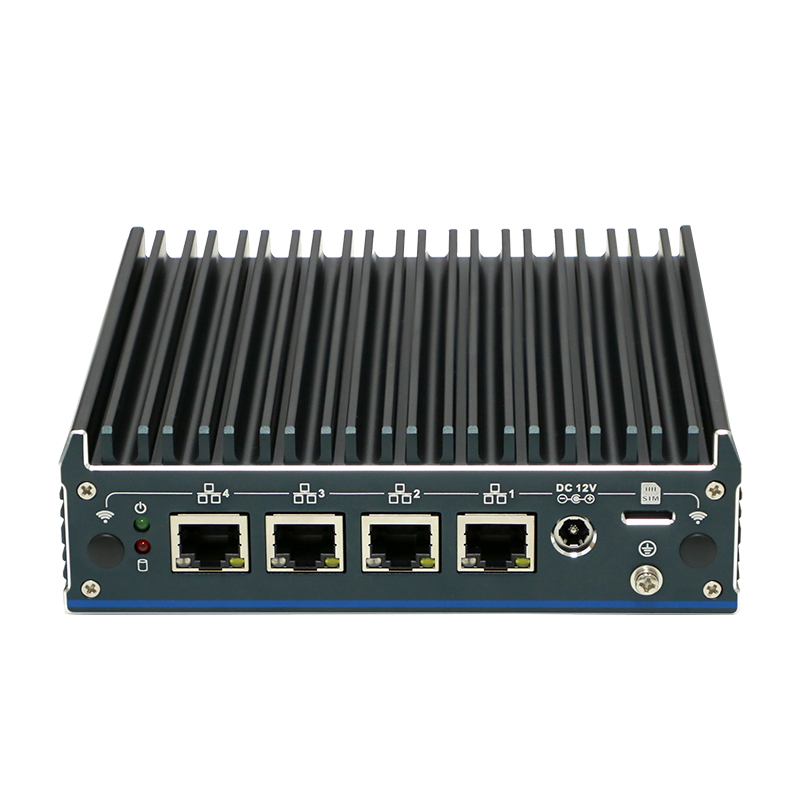
Firewall Devices as the First Line of Defense Against Cyber Threats
Modern firewall devices serve as the critical initial barrier against escalating cyber threats. By deploying strategic perimeter controls, they intercept malicious traffic before infiltration—preventing costly breaches averaging $740k per incident (Ponemon 2023). Their layered security protocols create essential safeguards for network infrastructures.
Real-time packet inspection and rule-based filtering by firewall devices
Firewall devices scrutinize data packets at network entry points using predefined security rules—operating at wire speed to analyze traffic against threat intelligence databases and detect anomalies like SQL injection attempts. Key operations include:
- Blocking connections from blacklisted IP addresses
- Flagging payloads matching known malware signatures
- Enforcing protocol-specific restrictions (e.g., restricting FTP transfers)
Automated filtering mechanisms instantly quarantine suspicious traffic, reducing exposure to zero-day exploits by 68% (2024 threat landscape reports).
Firewall devices as intelligent traffic arbiters at network perimeters
Acting as security gatekeepers, firewall devices classify legitimate versus malicious traffic using deep packet inspection (DPI). They dynamically regulate data flow through:
- Application-aware prioritization of business-critical services
- Bandwidth throttling during DDoS attack patterns
- SSL/TLS decryption for encrypted threat detection
These capabilities transform static perimeters into adaptive defense zones, blocking 94% of external intrusion attempts without compromising legitimate access. Continuous learning algorithms enhance decision-making by updating rules based on emerging threat patterns.
Firewall Devices Enable Strategic Network Segmentation and Containment
Micro-segmentation with firewall devices to restrict lateral threat movement
When we talk about network segmentation, it basically means splitting up IT infrastructure into separate zones. Micro-segmentation goes even further though, setting up tight security walls around specific workloads or apps instead of just general areas. Firewalls play a big role here too, checking all the traffic moving between these smaller segments so bad guys can't just wander through once they get past one point. Why does this matter? Well according to Verizon's data breach report from last year, around 8 out of 10 breaches actually spread across multiple systems within just 24 hours after first getting in. That makes sense when thinking about how quickly threats can propagate if there aren't proper barriers in place.
When companies put firewalls at those micro-segmentation points, they basically stop all kinds of unwanted communications before they get going. Think about it stopping ransomware that wants to jump from one department to another, or keeping hacked IoT devices out of sensitive areas like HR databases. According to SANS research from 2023, this approach cuts down on potential attack points by around 70% compared to older flat network setups. Plus it helps enforce those strict access rules we call least privilege. Take payment systems for instance. These need to stay completely separate from regular office networks so customer credit card info doesn't accidentally end up somewhere it shouldn't. What happens then? Well, if something does break through, it just gets stuck in its own little corner of the network rather than running rampant everywhere else.
Firewall Devices Support Regulatory Compliance and Data Privacy Enforcement
How firewall devices meet GDPR, HIPAA, and PCI-DSS requirements for access control and audit logging
Today's firewall systems help organizations meet important compliance standards by controlling who gets access to what information and keeping detailed records of network activity. When it comes to PCI-DSS requirements, these security tools set up role-based permissions so only people who absolutely need to see credit card data can actually access it. Healthcare providers relying on HIPAA regulations benefit from another key feature: firewalls create tamper-proof logs whenever someone tries to access protected health information electronically. These audit trails satisfy the technical security requirements outlined in section 164.312 of HIPAA regulations, giving medical facilities peace of mind knowing they have proper safeguards in place for patient records.
GDPR obligations under Articles 5 and 32 are addressed through:
- Data encryption enforcement for personal information in transit
- Blocking unauthorized cross-border transfers via geo-filtering rules
- Automated breach documentation meeting 72-hour notification mandates
These capabilities prevent average non-compliance penalties exceeding $740k (Ponemon 2023). Security professionals configure firewall devices to produce standardized audit reports demonstrating adherence during assessments—avoiding legal repercussions while maintaining customer trust.
Evolving Capabilities: Why Modern Firewall Devices Go Beyond Traditional Perimeter Control
Firewalls today are far removed from their early days as simple packet filters. They've grown into complex security solutions that can actually understand context when looking at potential threats. Older systems could only check ports and protocols, but next gen firewalls (NGFWs) go much deeper with things like DPI technology and built-in IPS features. These tools let administrators see exactly what's happening at the application level, down to the actual data being transmitted. The result? Much finer control over network policies. Firewalls can now spot bad stuff hiding inside normal-looking traffic while still letting approved apps run smoothly. When connected to live threat databases, they get even smarter about catching those sneaky zero-day attacks and long-term APTs that traditional defenses miss. According to recent research on how networks have changed, modern firewalls aren't just sitting there guarding perimeters anymore. Instead, they actively respond to new threats as they appear in all sorts of environments including clouds, mixed setups, and IoT ecosystems.
FAQ Section
What are firewall devices?
Firewall devices are security tools that serve as a barrier between your internal network and external threats, preventing unauthorized access and intercepting malicious traffic.
How do firewall devices inspect data packets?
Firewall devices perform real-time packet inspection and use rule-based filtering to analyze data packets against security rules and threat intelligence databases.
How do firewall devices support compliance with regulations?
Firewall devices help organizations comply with standards like GDPR, HIPAA, and PCI-DSS by controlling access to information and maintaining audit logs.
Table of Contents
- Firewall Devices as the First Line of Defense Against Cyber Threats
- Firewall Devices Enable Strategic Network Segmentation and Containment
- Firewall Devices Support Regulatory Compliance and Data Privacy Enforcement
- Evolving Capabilities: Why Modern Firewall Devices Go Beyond Traditional Perimeter Control
- FAQ Section