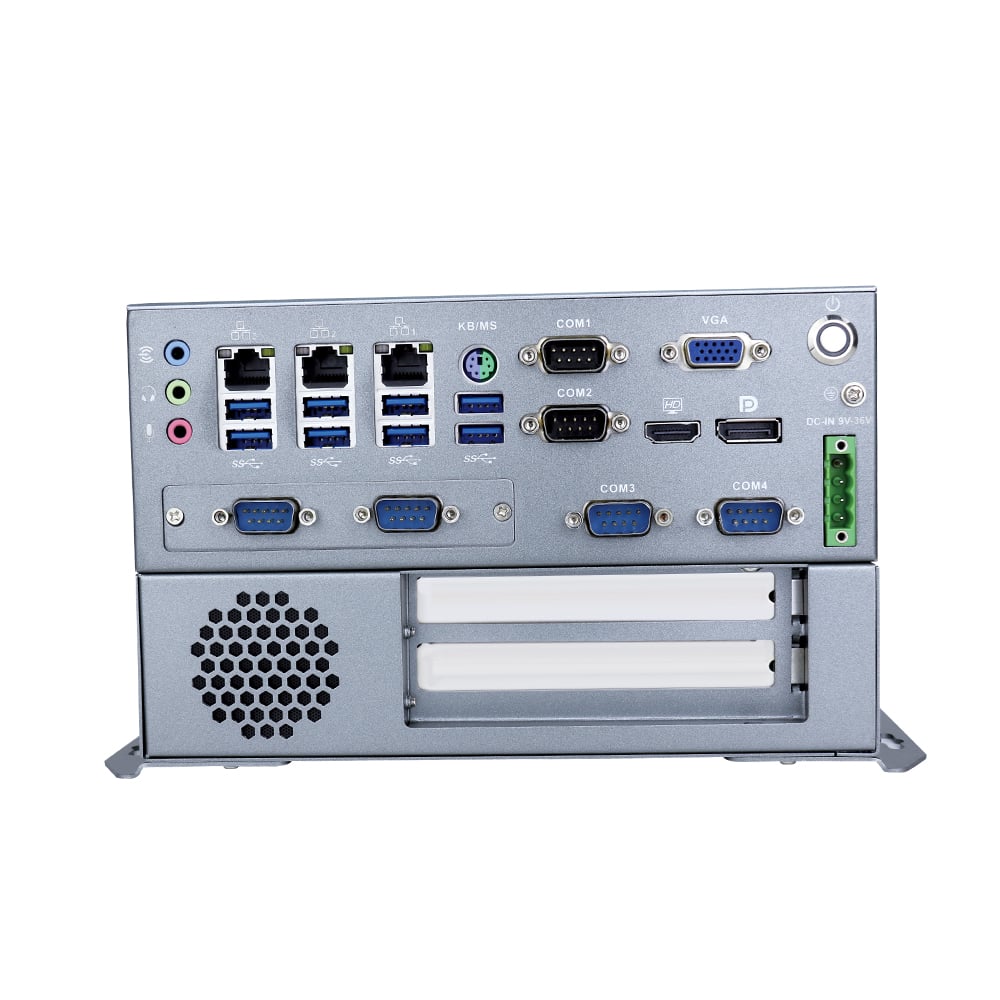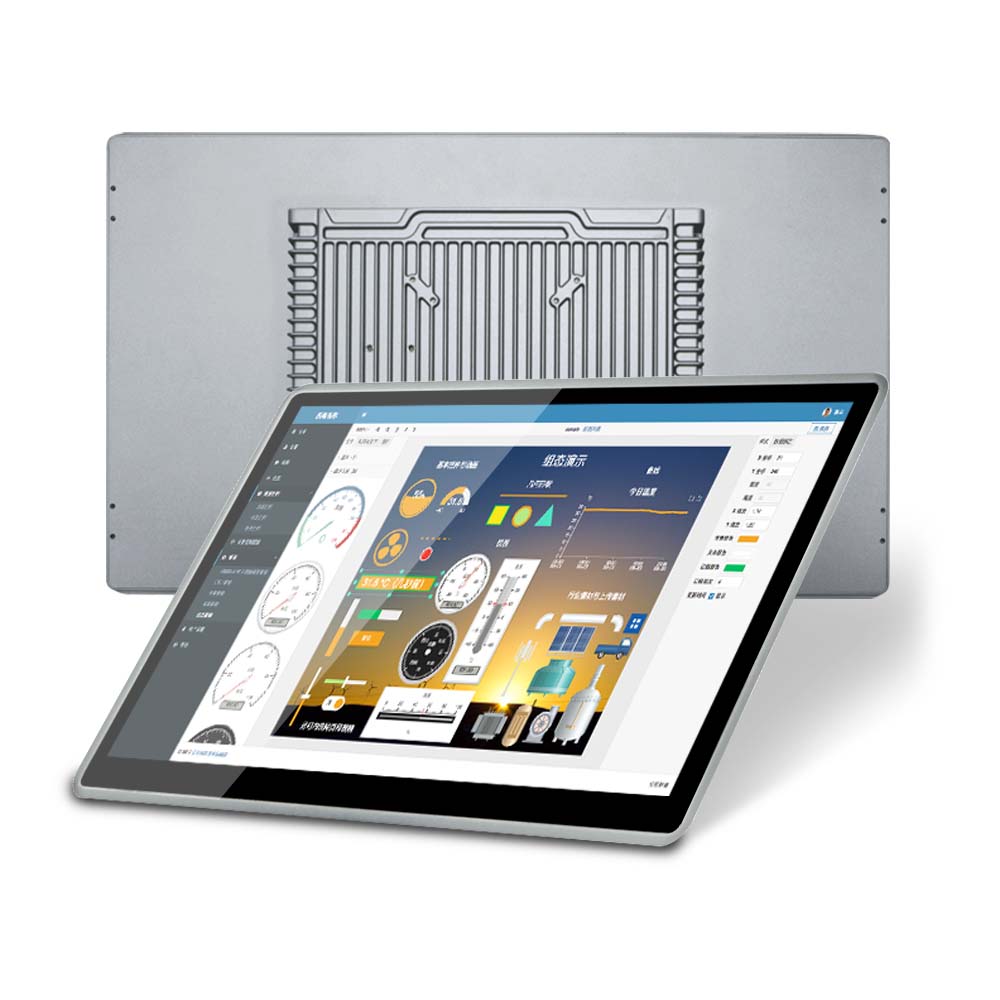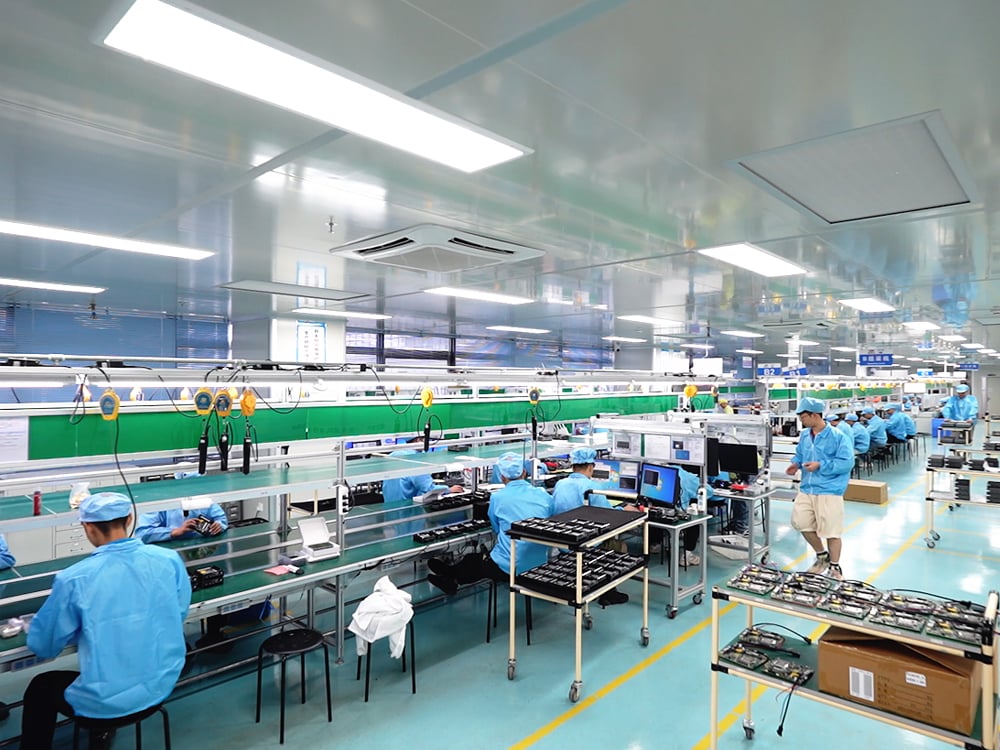

Fanless PCs get rid of those pesky mechanical failures that come with regular cooling fans, making them pretty great for places where downtime just won't cut it like data centers or factories. Traditional setups tend to crash when a fan goes bad, but these fanless machines keep running reliably day after day. The whole design lets backup systems work their magic without needing those noisy fan coolers, so operations stay online even when other hardware acts up. Some studies by folks at the Uptime Institute show that equipment without moving bits, including fanless PCs, manages to hit around 99.999% uptime. That kind of performance matters a lot for businesses operating in tough conditions where every second counts.
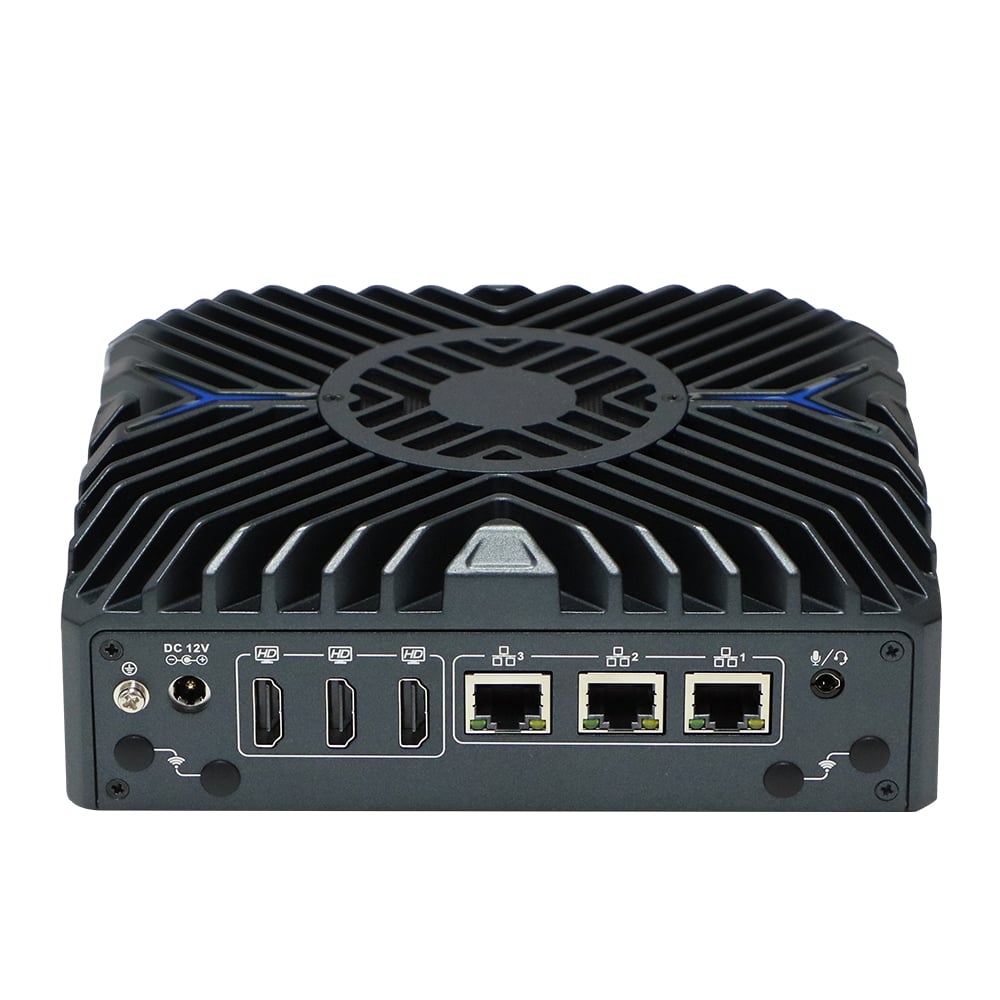
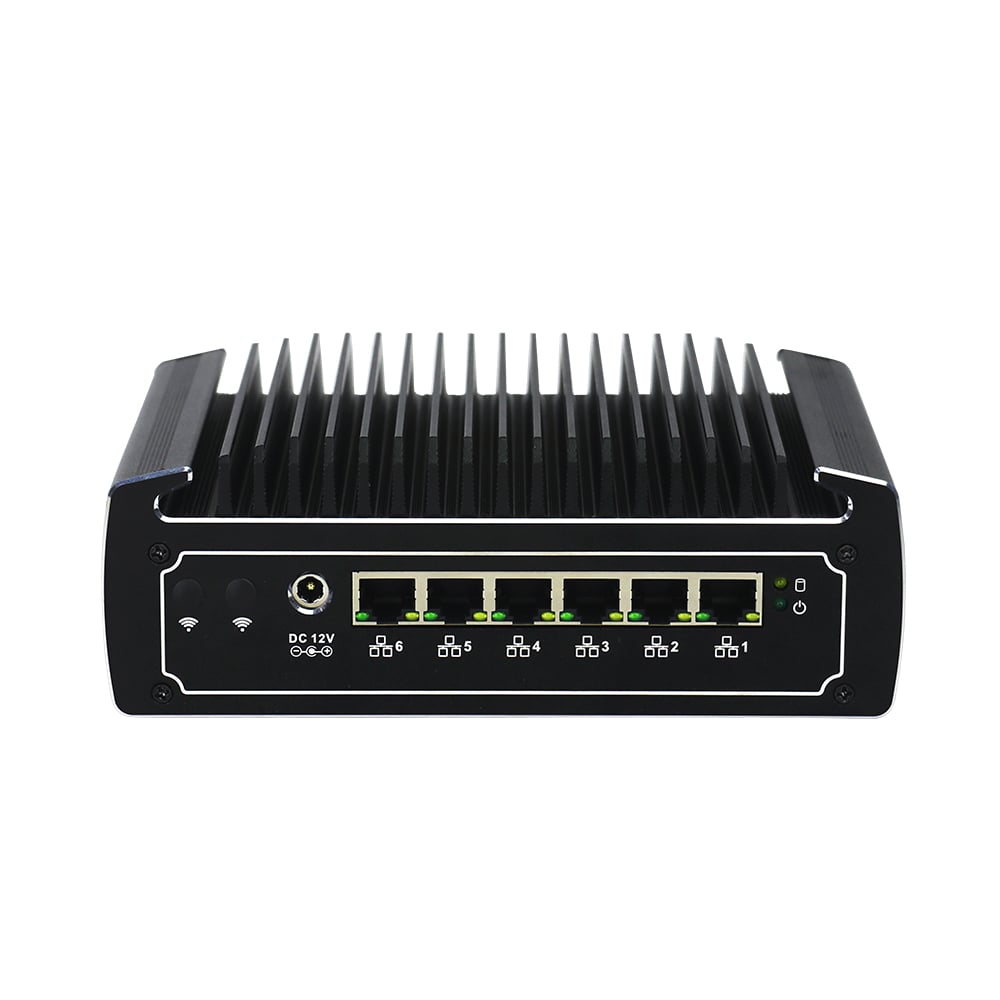
Fanless PCs work their magic through clever passive cooling solutions, something really important for businesses where systems just can't stop running. They rely on things like heat spreaders and big metal parts built into the case to push away the heat naturally, so there's no need for noisy fans spinning around. According to some research from TechRadar, companies that switch to these fanless setups actually see about 30 percent fewer days when their computers crash or freeze up compared to regular systems with fans. Less overheating means better performance overall and machines that last longer before needing replacement, which makes sense why so many factories and data centers go for fanless options when they need equipment working round the clock.
When dealing with tough environments, heat spreader tech plays a crucial role in keeping fanless PCs running nonstop. These systems work by spreading heat evenly throughout all the internal parts, which boosts how well they handle temperature issues without needing any fans at all. The lack of moving parts means these machines keep performing reliably even when temperatures swing wildly, something common in factories and outdoor installations. According to various industry stats, modern fanless computers can actually function properly in conditions as cold as minus 40 degrees Celsius right up to scorching 85 degrees Celsius. That kind of range makes them ideal choices for places where traditional cooling methods simply won't cut it.
Fanless PCs rely on natural convection for their cooling needs. Basically, heat rises inside these devices naturally, getting pushed out by cooler air without needing any fans or moving parts. Forced airflow systems work differently but often cause problems down the road. They tend to be less efficient overall and need regular cleaning, especially when installed in places with lots of dust buildup or tight spaces where air just doesn't flow right. That's why many industrial settings still go with natural convection cooling despite what looks better on paper. When equipment needs to run reliably day after day with minimal fuss, having no fans means fewer things breaking and less downtime for maintenance crews to worry about.
Fanless PCs with IP65+ ratings stand up well against dust and water getting inside, which is why they work so great in tough environments. The tight sealing keeps out dust particles and stops water jets from messing with what's inside the machine, so it keeps running smoothly without breaking down over time. Because these machines are better sealed, they last longer before needing replacement or fixing. Field tests show that PC units rated IP65 tend to last around half again as long as ones without this kind of protection when used in rough conditions. For places like factories where there's always stuff floating around in the air, these durable fanless computers make a lot of sense for keeping operations going without constant interruptions for maintenance.
Many fanless PCs meet military standards known as MIL-SPEC, which means they can handle rough treatment like constant vibrations and sudden shocks common in both military and aerospace settings. To get this certification, these machines have to pass all sorts of tough tests that prove they work reliably even when things get really intense. According to what the US military says about their specs, gear that complies with MIL-SPEC requirements stands up to pretty demanding operations, making them solid choices for missions where system failures just won't cut it. This kind of dependable performance matters a lot in places where downtime could be catastrophic, giving operators peace of mind knowing their systems will keep running no matter how bad conditions get sometimes.
Fanless PCs come equipped with components that consume far less power than standard models, making them ideal for places where computers run nonstop. Companies adopting this tech see real benefits both on their bottom line and for the planet. Research indicates switching to fanless systems cuts energy use by around 40% when compared against conventional desktops. For data centers or manufacturing plants running round the clock, this means thousands saved annually while cutting carbon emissions at the same time. Many IT managers report seeing noticeable improvements in both efficiency metrics and employee satisfaction after implementing fanless solutions across their facilities.
Fanless PC designs do away with fans entirely since these components tend to break down first in regular computers. Without those spinning parts, there's just not as much upkeep needed, which means saving money in the long run and getting better value for the initial investment. Looking at what businesses report, many see returns between 20% and 30% after about three years when they switch to fanless models. This happens mainly because these systems don't fail as often and hardly ever need repairs. The extra tough build quality makes them last longer too, so they keep performing well while cutting down on replacement costs year after year.
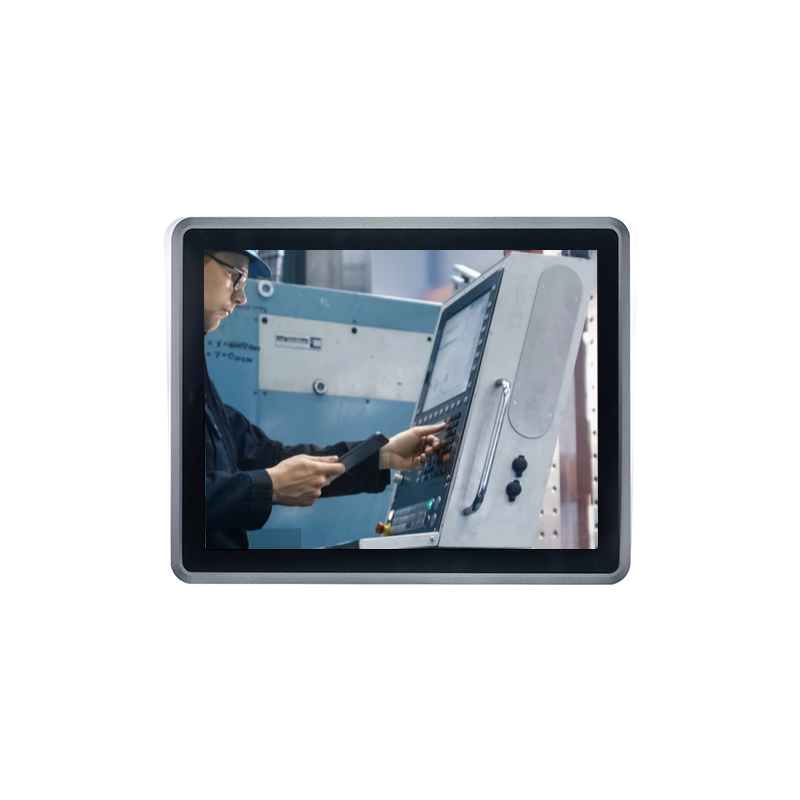
In manufacturing environments where things need to run reliably and precisely, fanless PCs make all the difference. They keep operations running smoothly without adding unwanted noise or vibrations that can interfere with sensitive equipment. Many factories rely on these silent workhorses to handle complicated automation tasks without the constant disruptions common with traditional fan-cooled systems. On actual assembly lines across the country, companies have seen real improvements after switching to fanless technology. Some report around a 15% boost in productivity once they integrated these systems into their workflow. The bottom line is clear: fanless PCs aren't just an option anymore but a necessity for anyone serious about improving their manufacturing automation setup.
Transportation equipment often deals with tough environmental challenges, making fanless PCs ideal for telematics systems that need constant data gathering. These devices hold up well against temperature swings and road vibrations, which keeps them running reliably even when conditions get rough. Real world testing in the trucking industry has found that switching to fanless setups cuts down on monitoring system failures by around 25%. The ability to handle such harsh environments makes these fanless computers stand out as solid options for fleet managers looking at long term reliability in their vehicle tracking solutions.
Fanless computers make a big difference in hospitals and clinics by cutting down on background noise that can disturb patients during important scans. Without those annoying fan sounds, these machines work great in places like MRI rooms and CT scan centers where even small noises can interfere with the equipment readings. The way they stay cool without fans keeps everything quiet but still lets doctors get clear images they need for diagnosis. We've seen hospitals switch to fanless tech because it helps maintain that calm environment patients require while also delivering reliable results from their imaging tests.
 Hot News
 EN
EN