
Addressing Multi-Device Connectivity Challenges in Industrial Automation with RS485-Enabled Mini PCs
In industrial automation environments, devices such as PLCs, sensors, and controllers commonly rely on serial communication, especially RS485, due to its long-distance and multi-node capabilities.
As systems scale, several challenges emerge:
1)Insufficient serial ports for multiple devices
2)Reduced communication stability in mixed-protocol environments
3)Increased wiring complexity and maintenance overhead
These issues are particularly common in factory automation, warehouse systems, and equipment integration projects.
2. Interface Density and Compatibility: Key Selection Criteria
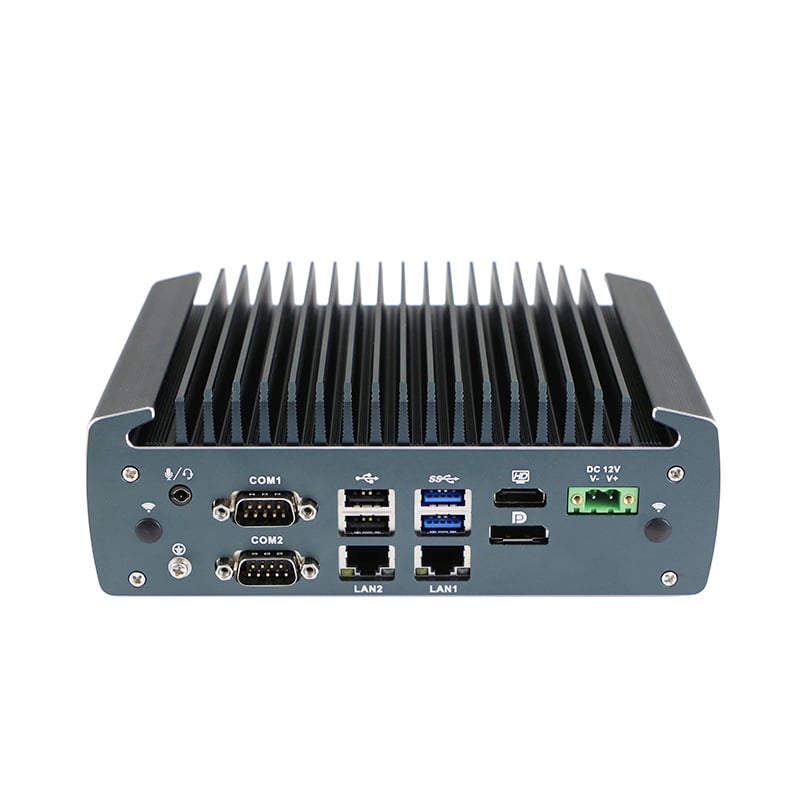
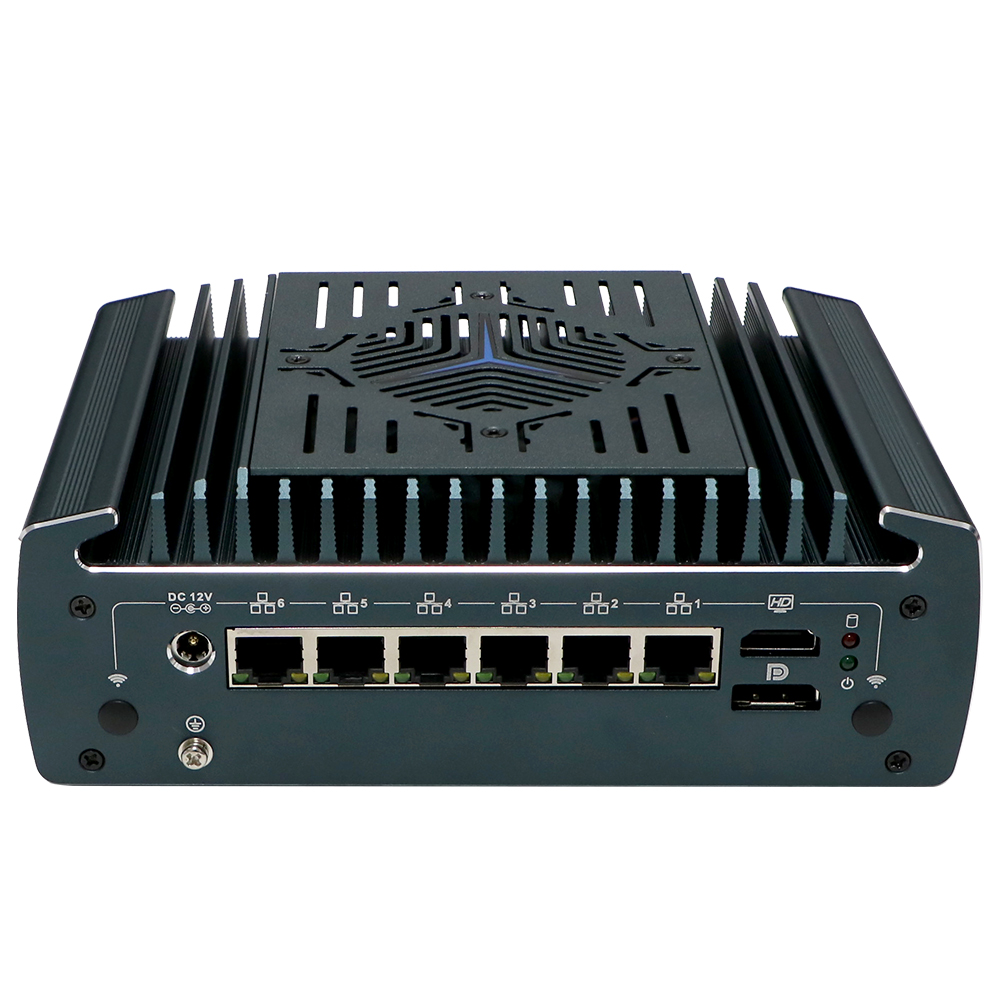
When selecting an industrial mini pc, interface configuration directly impacts system scalability. Typical configurations include:
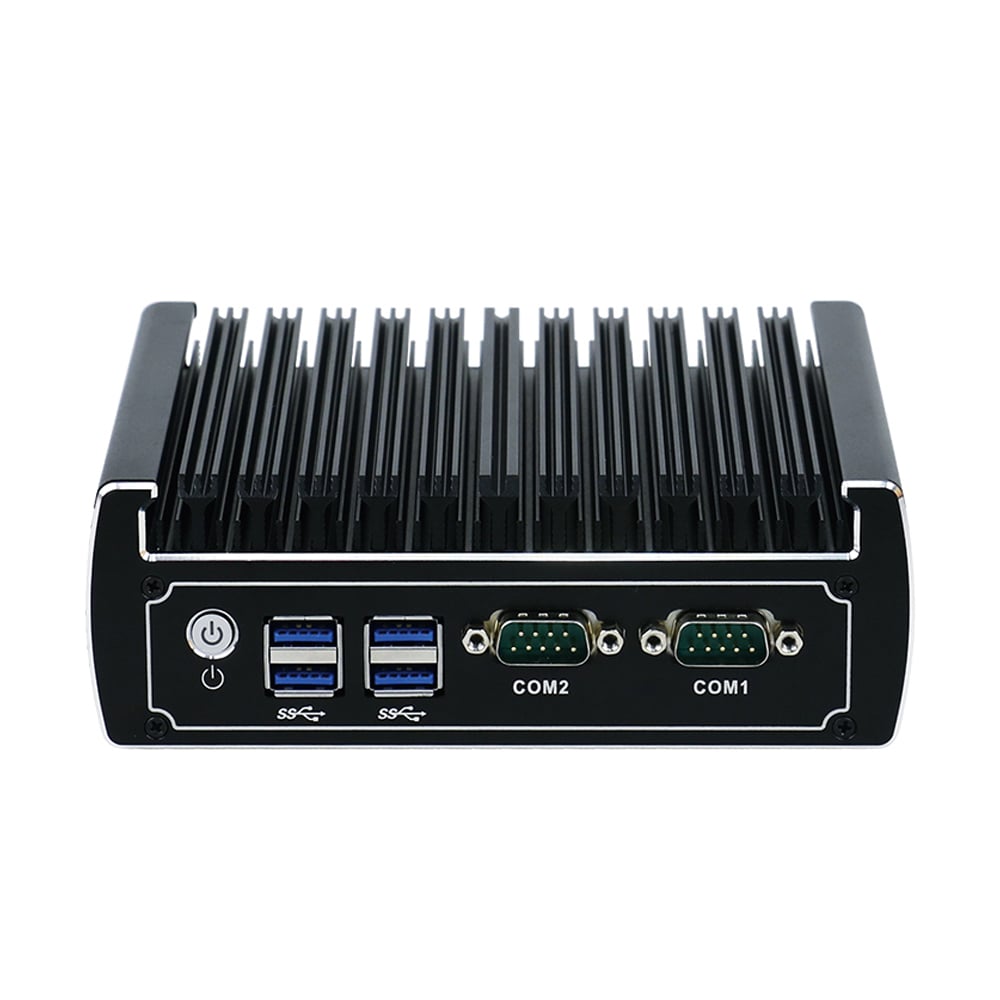
1)6 × COM ports (4 × RS485 + 2 × RS232)
2)8-channel isolated GPIO (4 in / 4 out)
This setup enables multiple devices to be connected directly, reducing the need for external converters.
RS485 supports multi-device communication over longer distances, while RS232 is suitable for point-to-point connections. Combined, they ensure compatibility with both legacy and modern equipment.
Isolated GPIO further enhances system integration by enabling signal control and status monitoring.
3. Hardware-Level Stability: Structural and Electrical Design
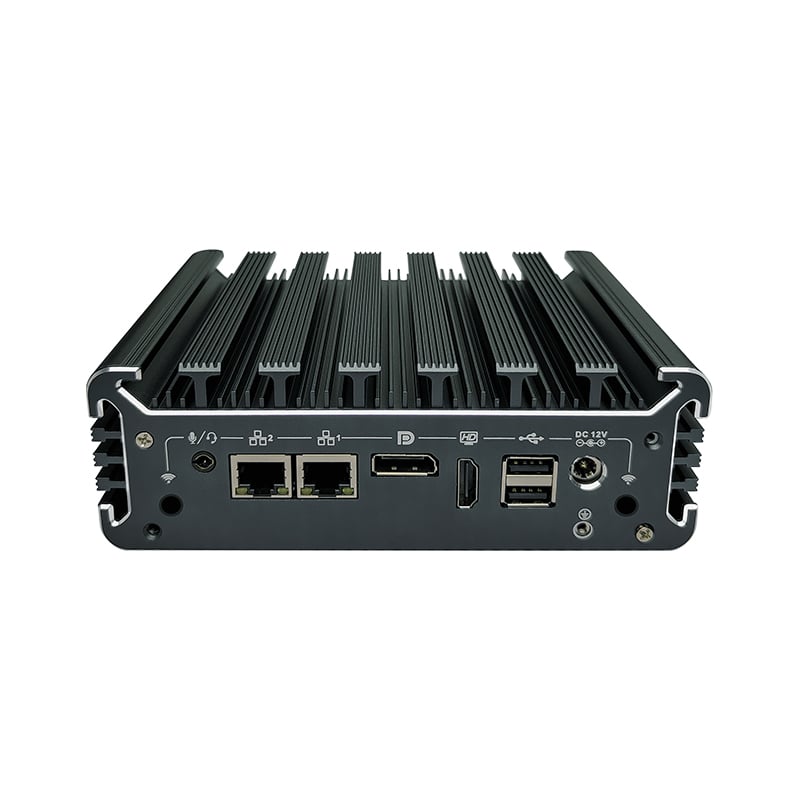
Fanless Thermal Design
A fanless aluminum enclosure supports passive cooling, helping prevent dust accumulation and enabling stable operation in:
1)Dusty factory environments
2)Continuous 24/7 operation scenarios
Wide Voltage Input
Support for DC 12–24V input with reverse protection allows the system to handle:
Voltage fluctuations
Shared industrial power systems
Operating Temperature
With industrial-grade storage, the system operates reliably within -20°C to 60°C, making it suitable for warehouse and semi-outdoor environments.
4. Expansion Capabilities for Complex Systems
To meet diverse integration requirements, expansion options are essential:
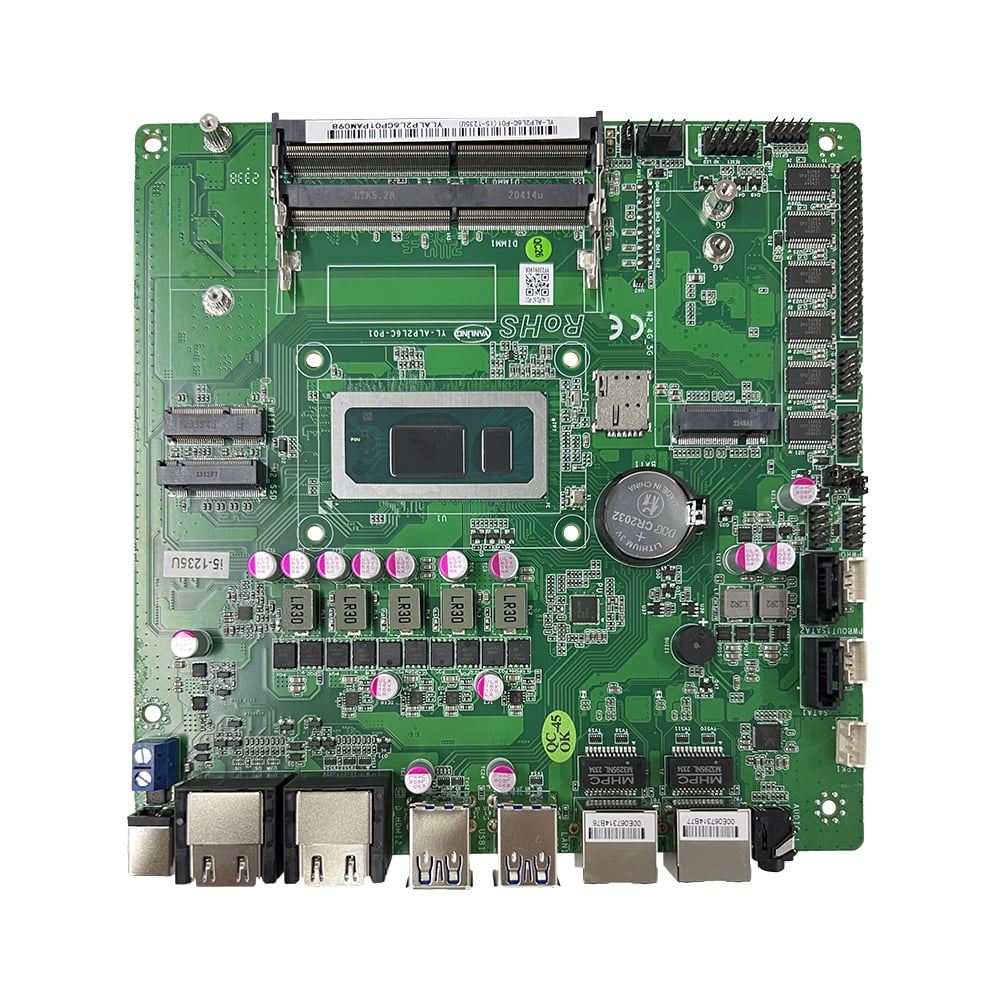
PCIe X4 and PCI slots for both modern and legacy expansion cards
Mini PCIe slots supporting 4G and WiFi modules
This hybrid expansion approach helps reduce upgrade costs and ensures long-term system adaptability.
5. Application Scenarios
RS485-enabled embedded mini PCs are commonly used in:
Industrial automation lines
Warehouse sorting systems
Machine vision integration
Multi-device control systems
6. Selection Recommendations
For multi-device connectivity scenarios, focus on:
Number and type of COM ports (especially RS485)
Availability of isolated GPIO
Expansion options (PCI / PCIe)
Power input range and protection
Operating temperature and cooling design
A hardware-focused selection strategy helps simplify deployment while ensuring long-term system stability and scalability.
 Hot News
 EN
EN