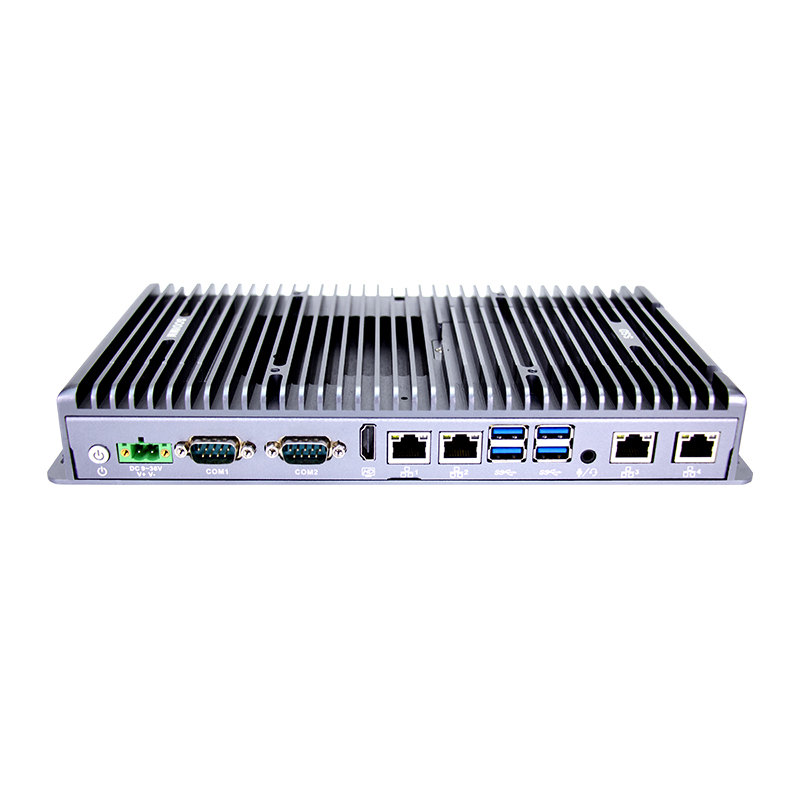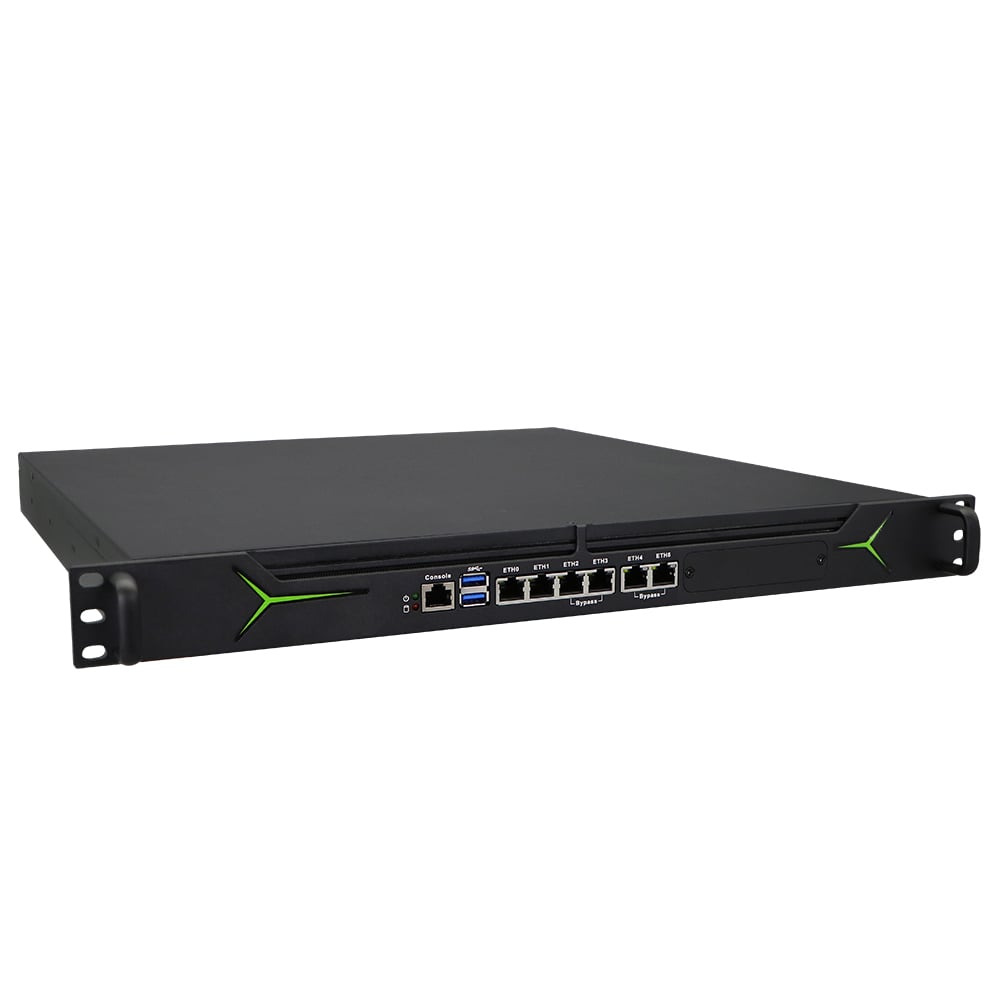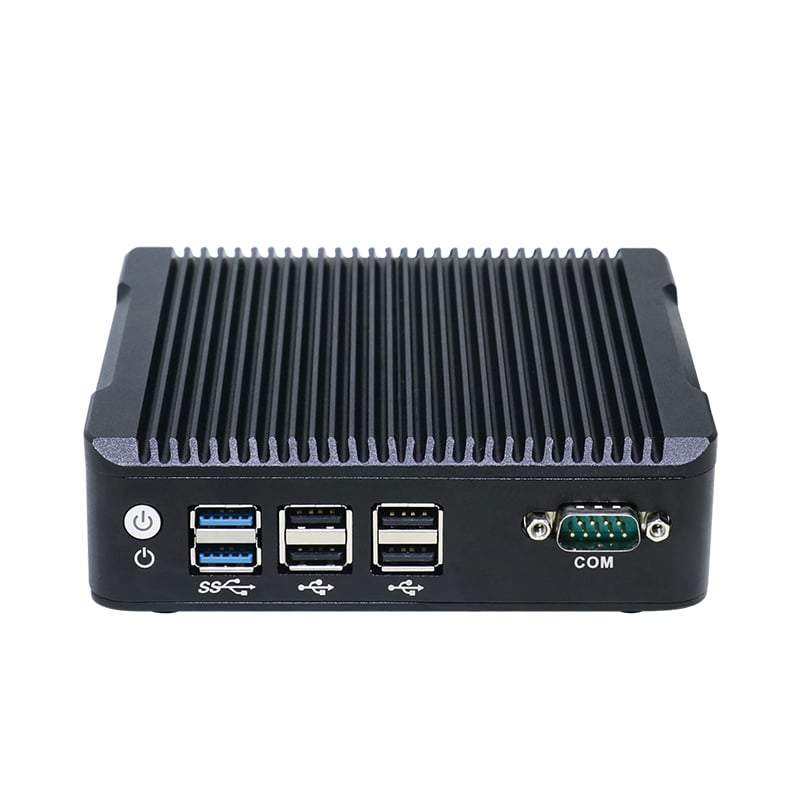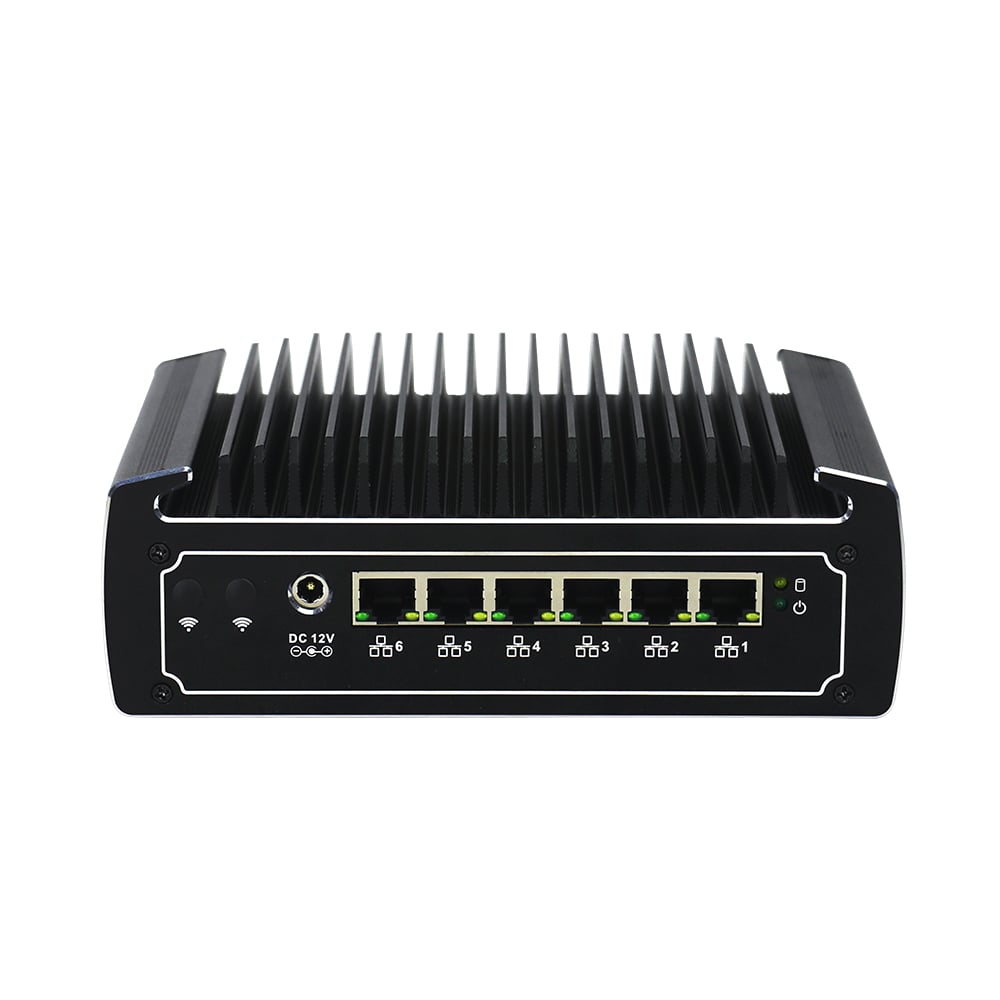

The 1U server takes up just one rack unit of space, which is about 1.75 inches vertically in those standard data center racks we all know. When people talk about the U measurement system, they're referring to the EIA-310 standard set by the Electronics Industries Alliance back in the day. Each U equals roughly that same 1.75 inch height. These compact servers are basically made for situations where every inch counts in server rooms. They let IT folks pack a lot more processing power into limited spaces without having to worry about whether their hardware will actually fit into regular rack systems. Most data centers rely heavily on this kind of equipment when trying to maximize floor space efficiency.
Most data centers stick with the 19 inch rack width standard because it works across different manufacturers when dealing with those compact 1U servers. The racks themselves come in various depths ranging from around 60 cm all the way up to nearly 1.2 meters. This range gives technicians some breathing room when arranging components inside and running cables through them. Looking at the actual hardware, typical 1U servers can handle between 24 and 48 network connections based on how they're built. This makes sense for companies building out their networks since these little boxes fit right into larger setups without needing special rack adjustments or extra space planning.
| Feature | 1U Server | 2U Server | |
|---|---|---|---|
| Vertical Space | 1.75" (44.45 mm) | 3.5" (88.9 mm) | |
| Component Capacity | Limited PCIe/HDD expansion | 2x PCIe slots & storage bays | |
| Thermal Design | Requires optimized airflow | Supports larger heatsinks | |
| Rack Density | 42 units per full-height rack | 2x PCIe slots & storage bays and supports larger heatsinks||||42 units per full-height rack | 42 units per full-height rack |
1U server format packs around 43% more computing power into each rack compared to standard 2U models, but there's a catch. These high density units actually create around 40% more heat flux compared to the bulkier 2U counterparts.
When they stick to that 1.75 inch vertical standard, 1U servers can fit anywhere from 42 to 48 units into a single full height rack. This increase in density allows organizations to maximize their utilization of physical space and significantly increase their computational resources. For businesses dealing with growing IT needs, going all-in on 1U servers makes sense not just for day-to-day operations but also offers financial benefits. 1U servers provide an efficient and effective solution for maximizing what limited space they have available.
Data centers rely on the 19 inch rack standard to fit 1U servers, allowing compatibility with various power and cooling solutions. The modular nature of these racks makes it possible to add components bit by bit over time. This scalability is particularly advantageous as it allows companies to seamlessly expand their capacity and capabilities without requiring extensive modifications or upgrades, which can be costly and time-consuming.
Increasing server density has a direct impact on reducing the physical footprint of data centers. A standard 42U rack can accommodate up to 42 1U servers, translating to four times as many units compared to 2U models. This high density solution is an attractive proposition for many businesses looking to optimize their data center space while concurrently enhancing computational power and capability. Furthermore, the efficient design and power usage of 1U servers result in cost savings by reducing energy consumption by 15 to 20% as noted in studies by the Ponemon Institute in 2023. With these operational efficiencies and cost benefits, organizations are reaping long-term savings while maintaining or even improving performance reliability.
A case study highlights a company that adopted 1U servers and managed to fit over a thousand extra virtual machines into each rack. Additionally, they were able to cut down on cooling requirements significantly. This shift resulted in a cost-saving of approximately $740k per year on electricity bills. Businesses aiming for scalability and efficiency would do well to consider switching to a 1U setup to handle their expanding IT demands effectively, in addition to achieving a high degree of operational reliability with impressive uptime.
Given the compact and efficient design of 1U servers, they come with small yet potent power supply units, which means they waste far less energy than previous models. Adoption of these servers can lead to significantly lower cooling requirements, cutting energy usage by up to 90% when using advanced techniques like immersion cooling systems. These systems are effective in managing heat output without compromising the function of the servers, even when operating at high ambient temperatures. This makes 1U servers a strategic advantage for reducing operational costs while maximizing data center efficiency.
The adoption of 1U servers in data centers facilitates a powerful combination of space efficiency, energy savings, and operational scalability. This makes them an ideal choice for organizations looking to optimize their data center operations, accommodate scalable workloads, and reduce long-term operating expenses. With advances in server technology allowing for modularity and improved power management, more businesses are seeing the strategic advantage in shifting towards these compact, high-density servers.
In server terminology, "1U" refers to a unit of vertical space in a server rack, where 1U is equivalent to 1.75 inches or approximately 44.45 mm in height.
1U servers offer higher rack density, saving physical space in data centers. They are energy-efficient, with lower power consumption, and provide cost savings on electricity bills. These servers support scalable workloads and allow integration into existing 19-inch rack systems without requiring major modifications.
A 1U server takes up half the vertical space of a 2U server. While 2U servers may offer greater thermal management capabilities and more expansion options, 1U servers offer greater rack density and better space utilization, making them ideal for environments where space is limited.
 Hot News
 EN
EN