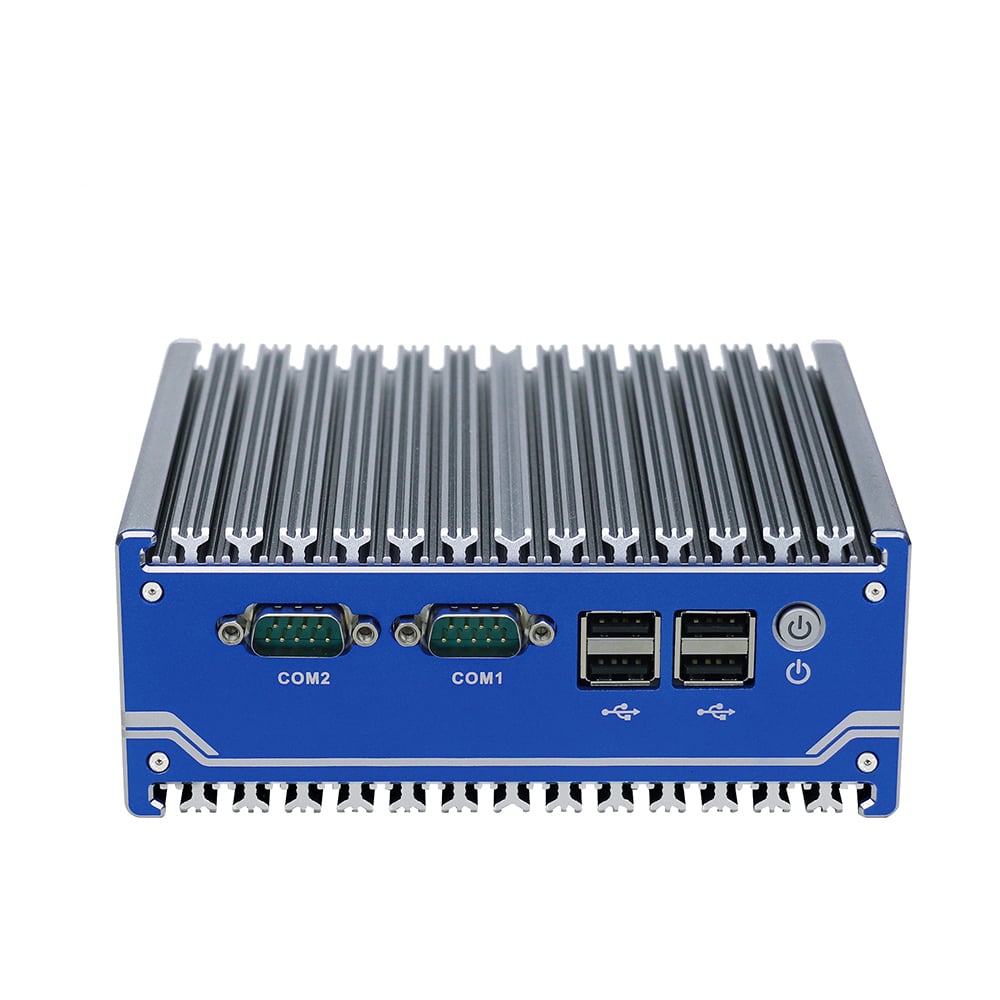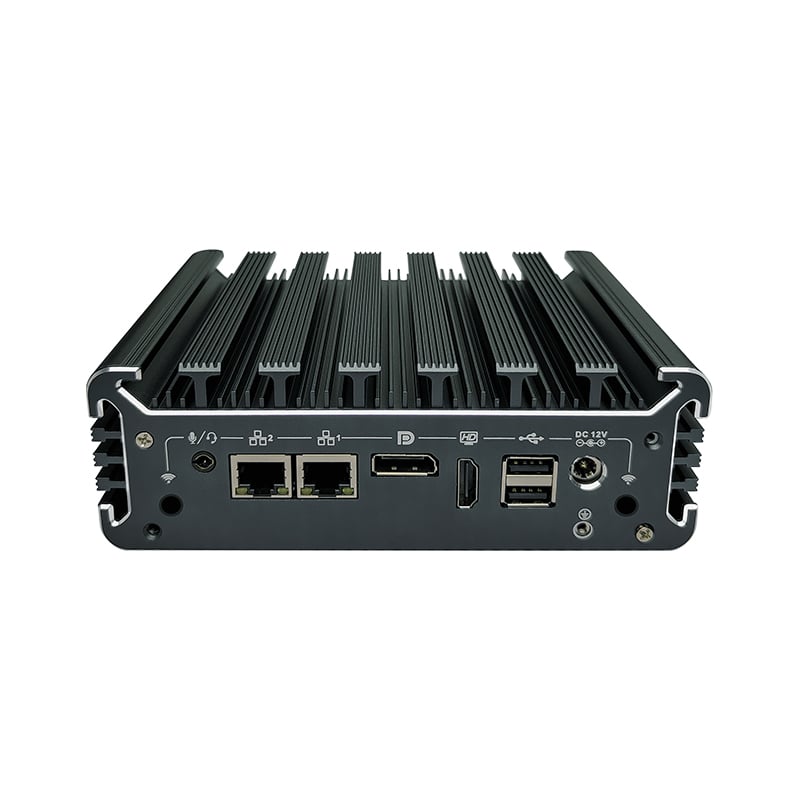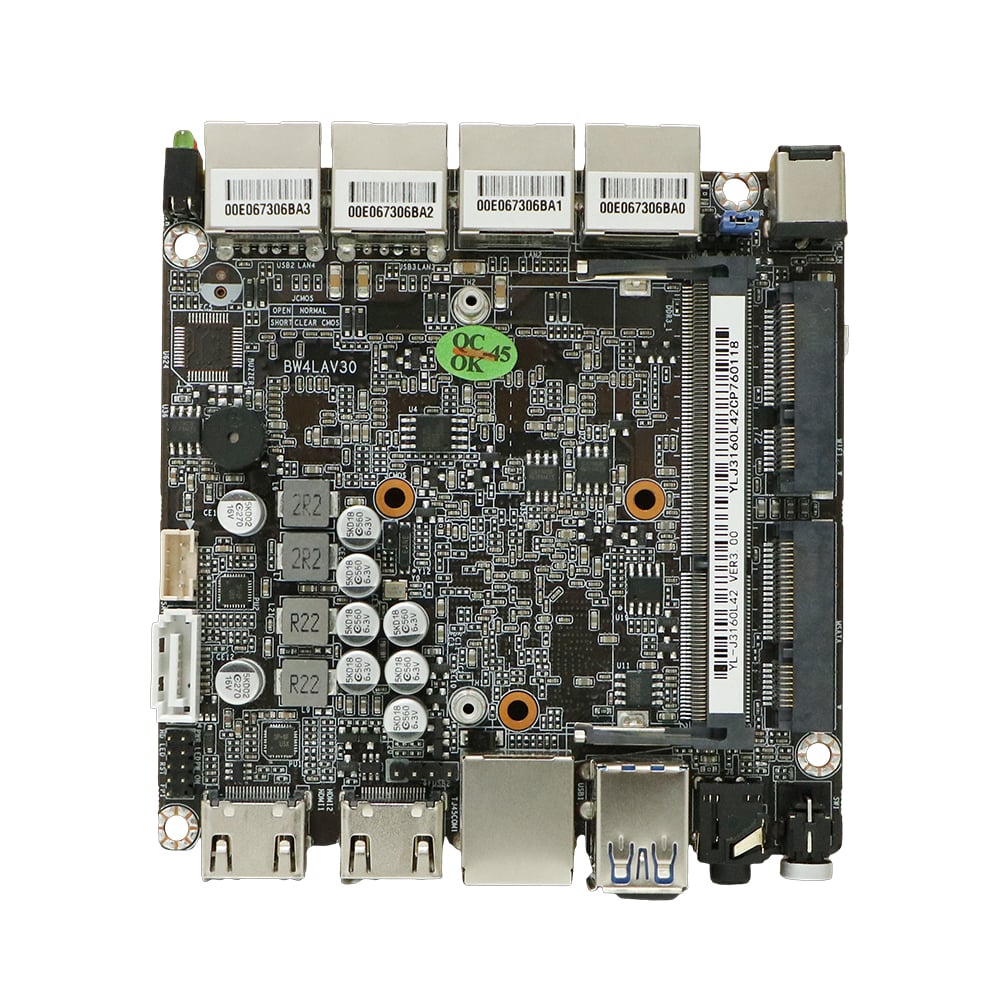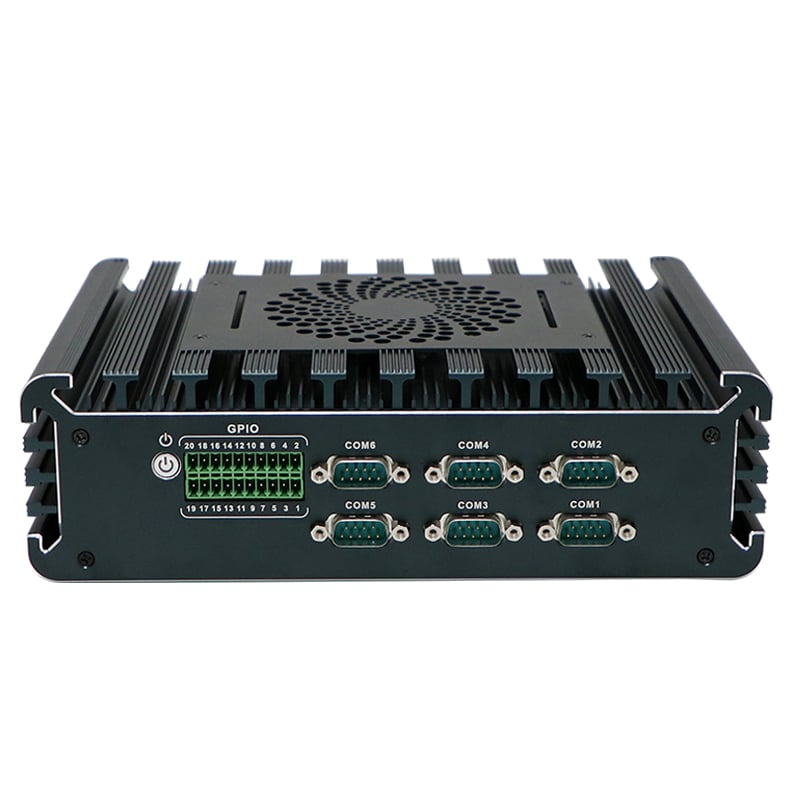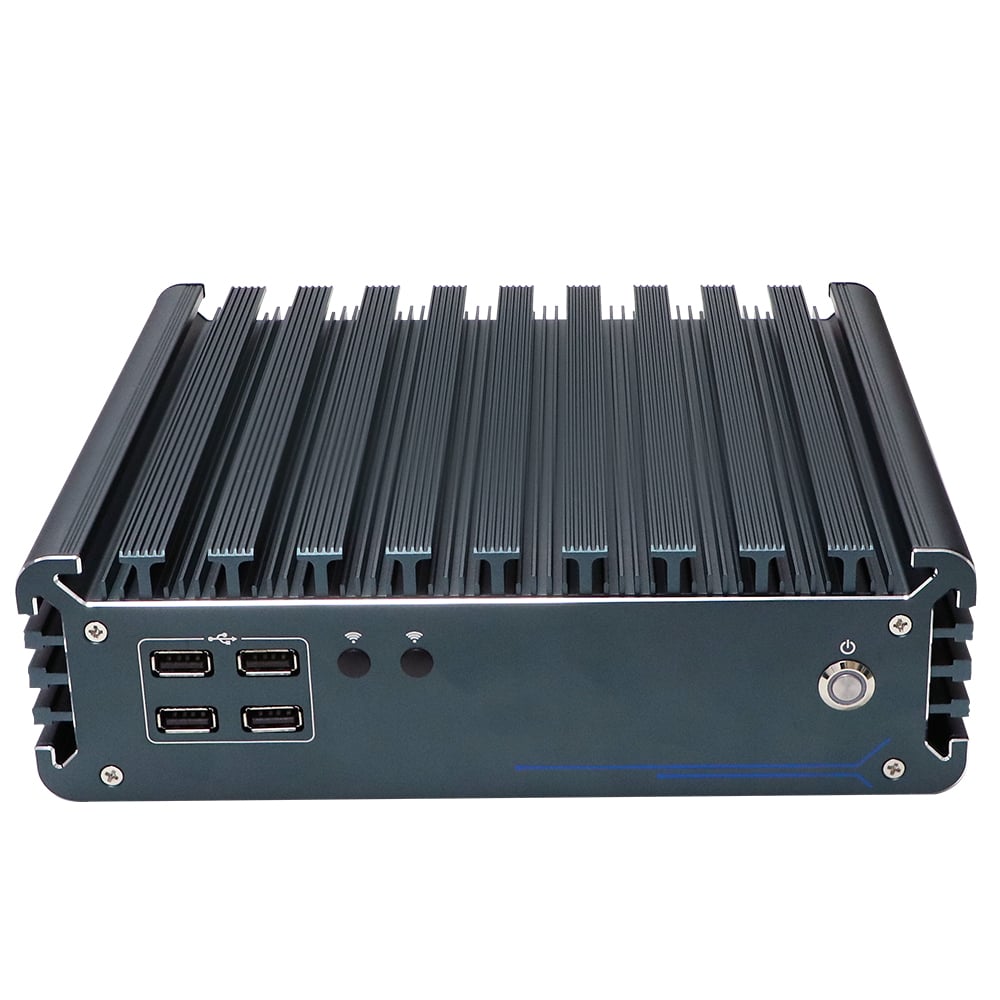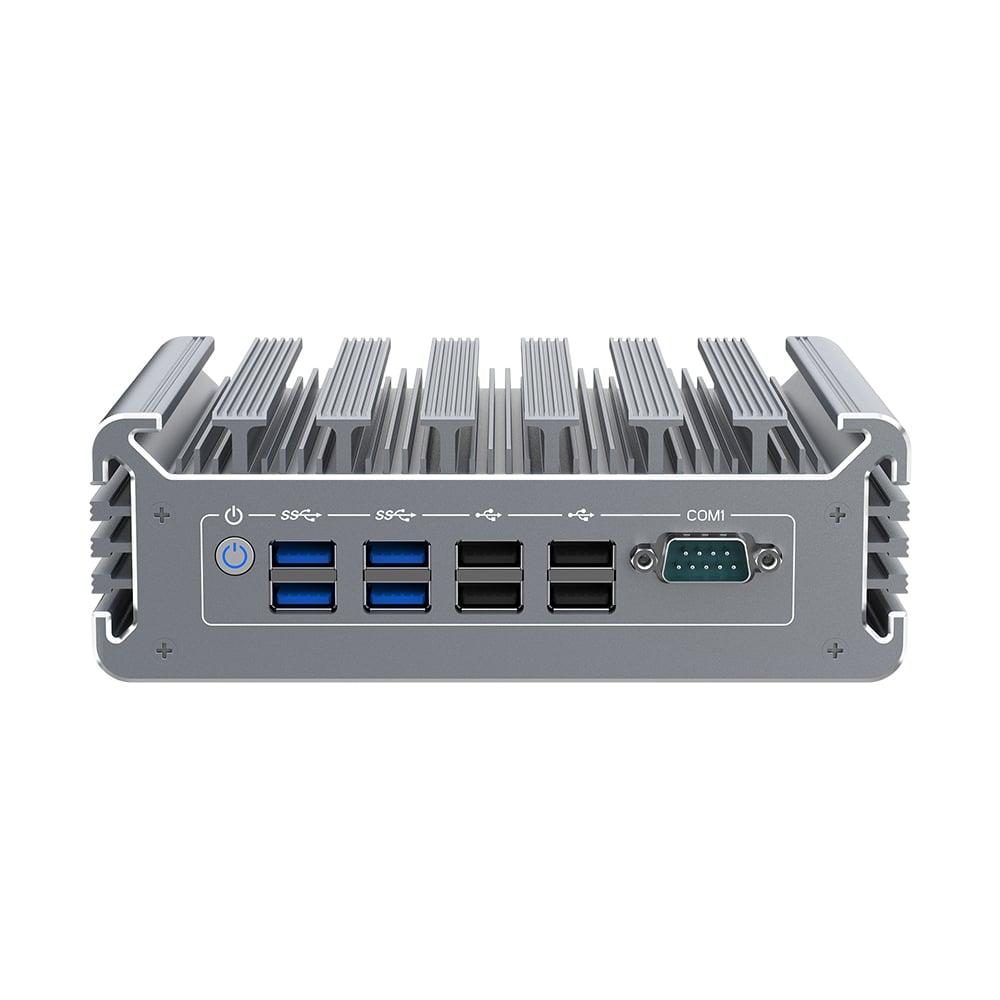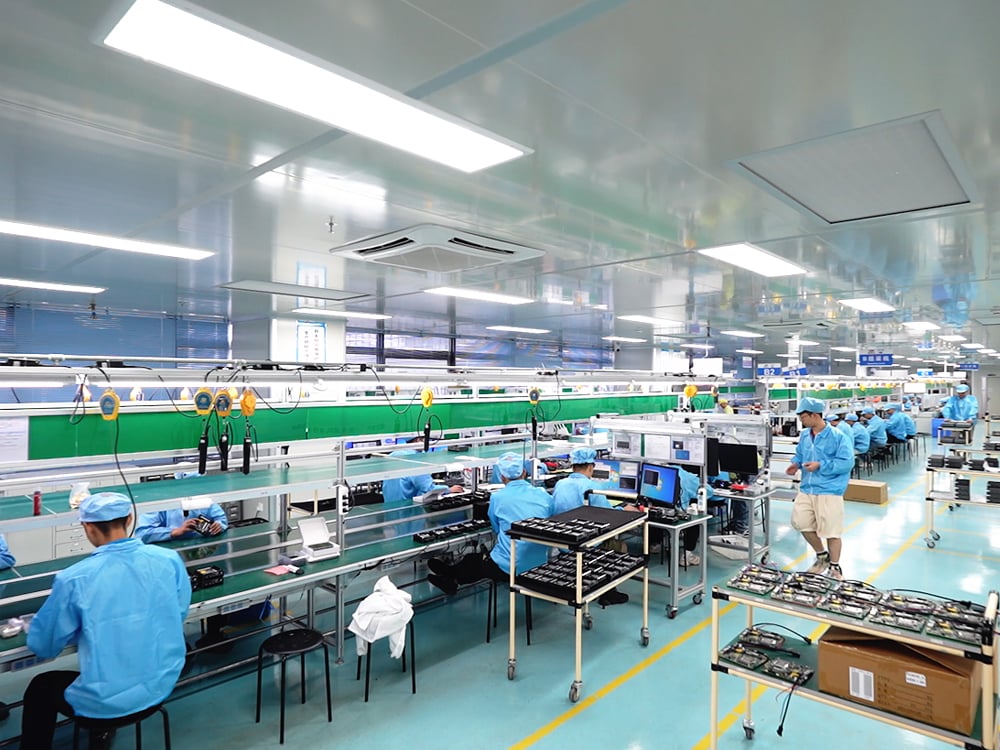

When picking out an industrial rugged PC, the first step is really understanding what kind of tough conditions it needs to handle day after day. These machines face some serious environmental challenges including extreme temperatures ranging from -40 degrees Celsius right up to +85 degrees, complete saturation from moisture (even at 100% humidity levels), dust particles floating around, plus ongoing vibrations that would break regular equipment. Most standard computers simply can't take the cold snap when temps drop below freezing point. But industrial grade rugged PCs? They keep running smoothly whether installed in icy Arctic locations or scorching hot desert solar installations. According to research published by Ponemon in 2023, these toughened systems actually cut down on failures during temperature swings by about three quarters compared to their non-rugged counterparts.
Industrial environments demand resilience against:
| Stressor | Threshold for Standard PCs | Rugged PC Tolerance |
|---|---|---|
| Temperature | 0°C – 40°C | -40°C – 85°C |
| Humidity | ≤85% non-condensing | IP68 waterproof sealing |
| Vibration | ≤3 Grms (30 mins) | MIL-STD-810G (60+ Grms) |
Dustproof, pressurized housings prevent internal component corrosion—critical for mining drills or grain processing plants where fine particulates compromise sensitive electronics.
Energy sector deployments, such as offshore oil rigs, require ATEX-certified PCs for explosive atmospheres. Public safety teams prioritize rapid deployment, favoring lightweight (<6 lbs), vehicle-mounted units with LTE/5G connectivity. In agriculture, sunlight-readable displays (≥1000 nits) and glove-friendly touchscreens enable efficient field operations despite mud, rain, or direct sun exposure.
Define thermal management (passive vs. active cooling), power input ranges (9–36 VDC for heavy machinery), and I/O port shielding. Arctic logistics demand cold-start battery performance, while tropical deployments rely on humidity-resistant gaskets. Aligning specifications with real-world conditions reduces replacement costs by 63% over five years (Frost & Sullivan 2024).
Industrial rugged PCs must function across standard (-20°C to +60°C) and extended ranges (-40°C to +85°C), encountered in arctic logistics or desert solar installations. Devices operating beyond standard limits use wide-temperature LCD panels and military-grade capacitors to avoid screen freeze or electrolyte leakage under extreme conditions.
Thermal throttling can reduce processor speeds by up to 58% during temperature spikes (Ponemon 2023), disrupting mission-critical workflows. Advanced rugged designs employ vapor chambers, copper heat spreaders, and self-regulating heat pipes that adjust conductivity based on ambient conditions, maintaining stable clock speeds even in fluctuating environments.
Fanless rugged PCs eliminate moving parts through passive cooling architectures like aluminum chassis heat-sinking and graphene-enhanced thermal pads. These sealed systems resist dust ingress while supporting 15W–45W TDP processors without airflow—ideal for desert oil fields or coastal wastewater treatment plants where reliability trumps fan-based cooling.
When it comes to industrial rugged PCs, getting the right ingress protection rating matters a lot for their performance in harsh environments. An IP67 rating means the device can handle being completely dust free while surviving submersion in water up to one meter deep for half an hour. That kind of protection works well in places like construction sites during heavy rain or inside mines filled with fine particulates. For even tougher situations, IP68 rated systems go beyond basic waterproofing standards set by manufacturers, which makes them suitable for underwater inspection tasks common in oil and gas industries. To get certified, these devices undergo rigorous testing involving powerful water jets at around 65 gallons per minute from distances between ten to twelve feet away, plus eight hours of exposure in controlled dust chambers. Still worth noting though, laboratory tests aren't always perfect mirrors of actual field conditions where temperature changes happen constantly and dirt gets everywhere, sometimes including sand and other abrasive materials that regular lab setups just can't simulate properly.
What we see out in the field doesn't always match what's stated on those lab certification papers. Take desert environments for instance where the constant heating and cooling cycles slowly break down those rubber gasket seals, letting in tiny grains of silica dust that eventually find their way into equipment ports. And then there's the problem with cold storage facilities too. The repeated freezing and thawing creates condensation that eats away at adhesive bonds over time. Pretty concerning stuff really. A recent study from last year showed something alarming about these so-called waterproof ratings. They looked at wind farms along the coast and discovered nearly 18 percent of devices rated IP67 stopped working properly after just one year because salt mist managed to get inside them somehow. Standard tests simply don't account for this kind of real world exposure to saltwater particles in the air.
The MIL-STD-810G test basically tells us if a device can handle those intense 30G impacts plus all sorts of random vibrations across the 10 to 2000 Hz range. Mining trucks are particularly tough environments because their own natural vibrations between about 6 and 100 Hz tend to shake things apart inside over time. That's why serious rugged computers come equipped with special shock absorbing mounts for SSDs, protective coatings on the circuit boards, and those reinforced cable connections that prevent wires from pulling loose when everything gets jostled around during operation.
In transportation, 3% of failures stem from resonant frequencies matching truck chassis harmonics (25–35Hz). Mining rigs face relentless coal dust particles <1µm that bypass IP6X filters after 300+ operational hours. Construction crews report 22% of screen failures occur when high-brightness modes (5,000+ nits) generate excess heat, warping touchscreen adhesives over time.
Industrial rugged PCs deployed outdoors require displays that combat glare while maintaining energy efficiency for uninterrupted field operations.
Displays exceeding 1000 nits maintain a 3:1 contrast ratio under 100,000 lux ambient light—three times the minimum needed for outdoor readability. Standard 300–400 nit panels become unusable in direct sunlight, making high-luminance screens essential for oil rig monitoring or emergency response teams (Proculus Tech).
Optically bonded displays remove air gaps between layers, cutting reflectance by 75% compared to standard LCDs. Combined with anti-glare coatings and direct lamination, this technology enables accurate touch input in rain or while wearing gloves—vital for field technicians working in adverse conditions.
Rugged PCs with 9–36V DC input handle voltage fluctuations from solar arrays or vehicle alternators. Energy-efficient ARM processors and adaptive backlighting reduce power consumption by 30–40%, extending battery life for mobile crews in agriculture and forestry.
Integrated GNSS receivers and modular I/O bays support legacy serial devices, barcode scanners, or private LTE modems. This expandability allows rugged PCs to adapt—from precision farming using RTK GPS to disaster recovery missions requiring satellite uplinks.
Energy sector rugged computers can handle brutal conditions from -40 degrees Celsius in Arctic climates all the way up to 60 degrees Celsius in desert heat. These machines also stand up to saltwater corrosion and keep sand out of sensitive components. For offshore oil rigs, getting MIL-STD-810G certified equipment makes sense because regular shocks and vibrations just aren't an issue anymore. Solar installations in dry areas require IP68 protection ratings so they survive those intense dust storms without failing. Looking at real world performance numbers, there's about 92 percent reduction in system breakdowns when companies invest in properly built rugged gear instead of trying to make standard desktops work in harsh environments.
For law enforcement officers and emergency responders, having devices that work instantly across extreme temperatures is absolutely essential. These professionals need gear that functions reliably whether it's freezing cold at -20 degrees Celsius or scorching hot up to 50 degrees, all while maintaining touchscreen functionality even in heavy rain. Take the 2023 California wildfires for instance. The 800 nit brightness screens stayed legible despite the thick smoke covering everything. And those screens worked great with gloves on too, which makes all the difference during actual emergencies. Another big plus comes from field reports showing vehicles with fanless rugged computers had around 40 percent fewer maintenance issues after three years on the road. That's a significant saving when compared to older models with vents that just collected dirt and debris from regular driving conditions.
Combine harvesters and forestry survey tools rely on sunlight-readable screens (1000+ nits) and IP65-rated ports to endure muddy, wet conditions. One agtech provider achieved 99.5% GPS signal retention across 10,000 acres after switching to vibration-dampened SSDs and corrosion-resistant I/O connectors.
Tropical mining operations revealed accelerated thermal paste degradation at 85% humidity—resolved through conformal-coated circuit boards. Urban edge computing installations showed concrete dust penetrating IP65 seals within six months, prompting upgrades to IP67-rated enclosures for long-term reliability.
Key considerations include assessing temperature tolerance, moisture and dust resistance, vibration handling, and industry-specific needs such as sunlight-readable displays and glove-friendly touchscreens.
Industrial rugged PCs operate in extreme temperatures, have higher IP ratings for moisture and dust resistance, can withstand mechanical shock, and often have fanless designs to prevent dust ingress.
Industries like energy, public safety, agriculture, and mining benefit significantly from these PCs due to their need for reliable performance in harsh environments.
They are crucial for determining a device's dust and water resistance, affecting performance in environments like construction sites, oil rigs, and during underwater inspections.
 Hot News
 EN
EN