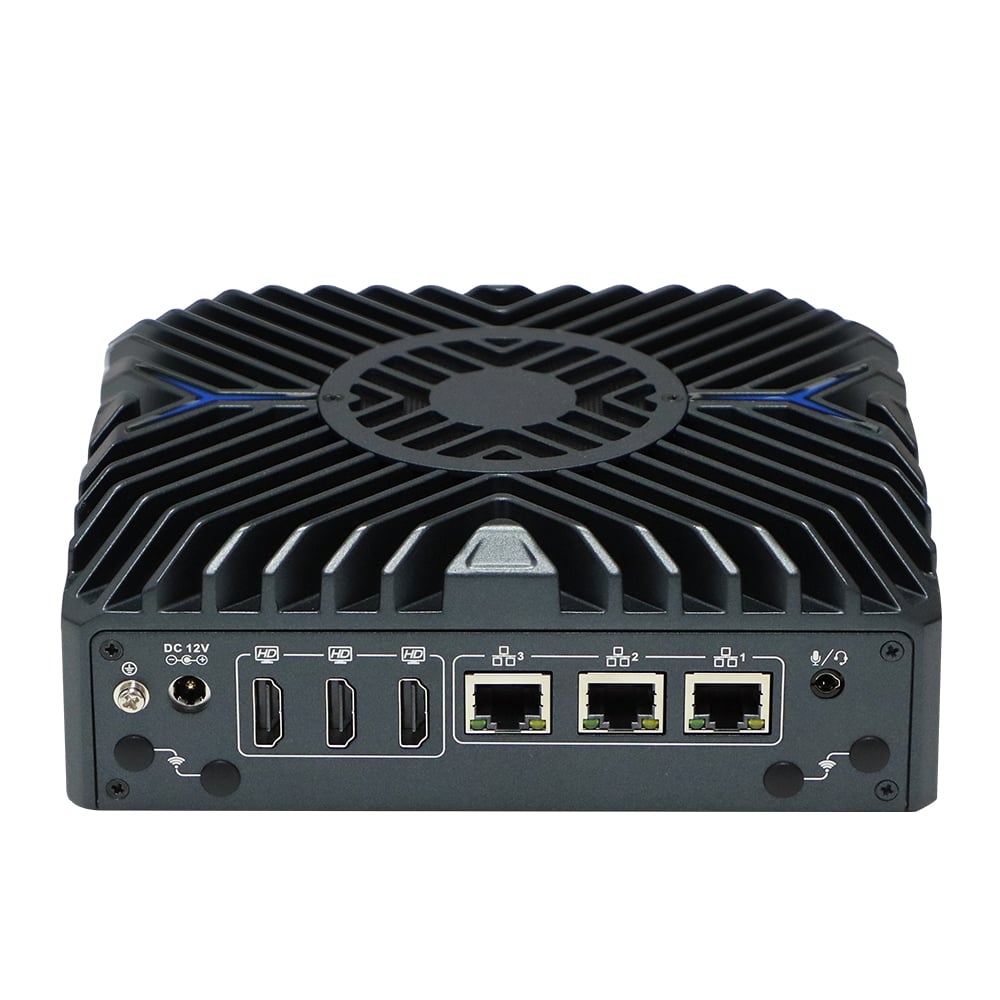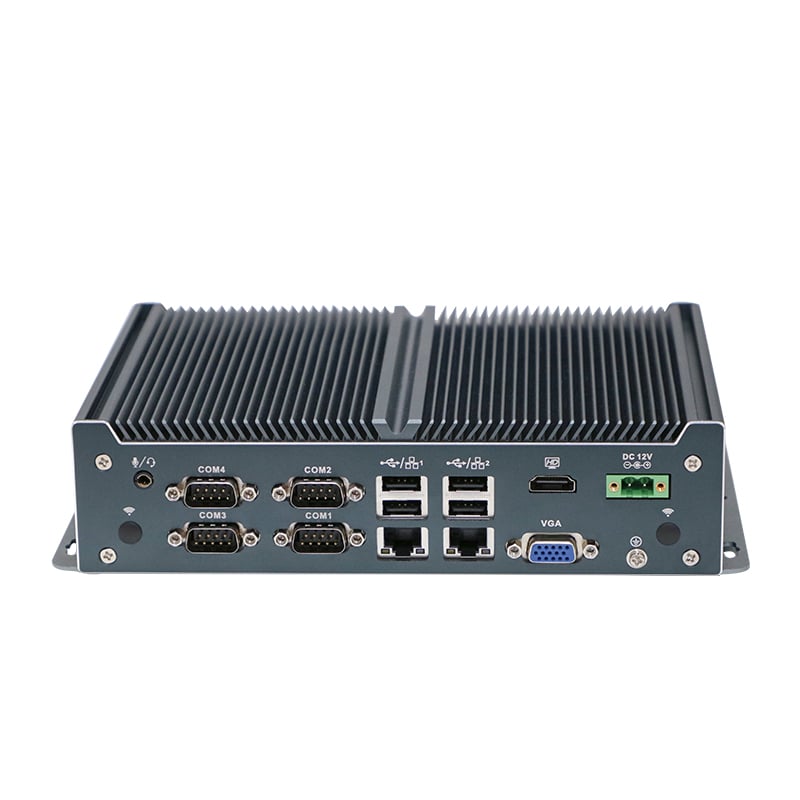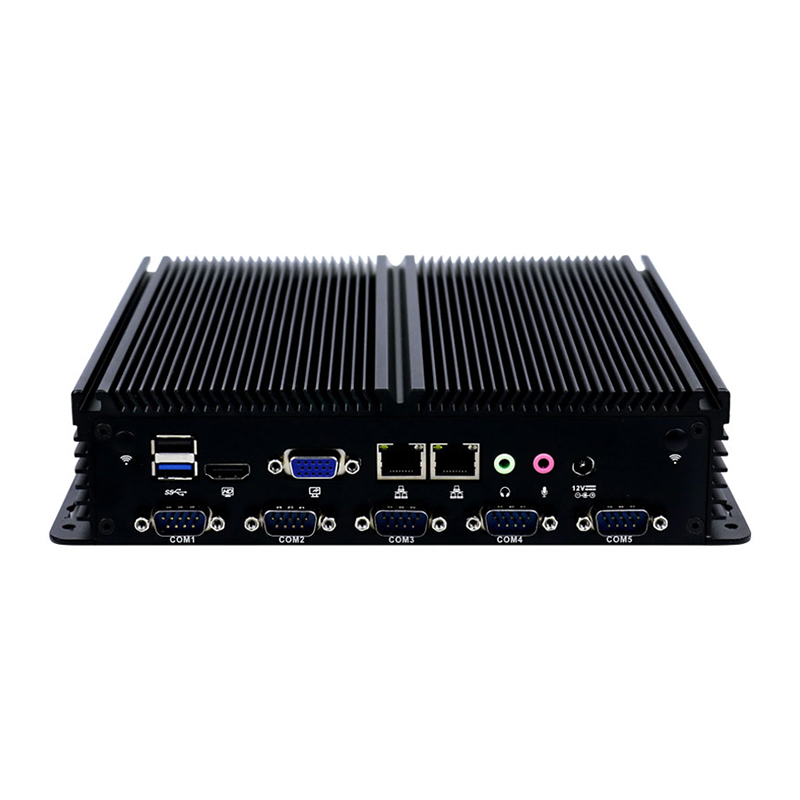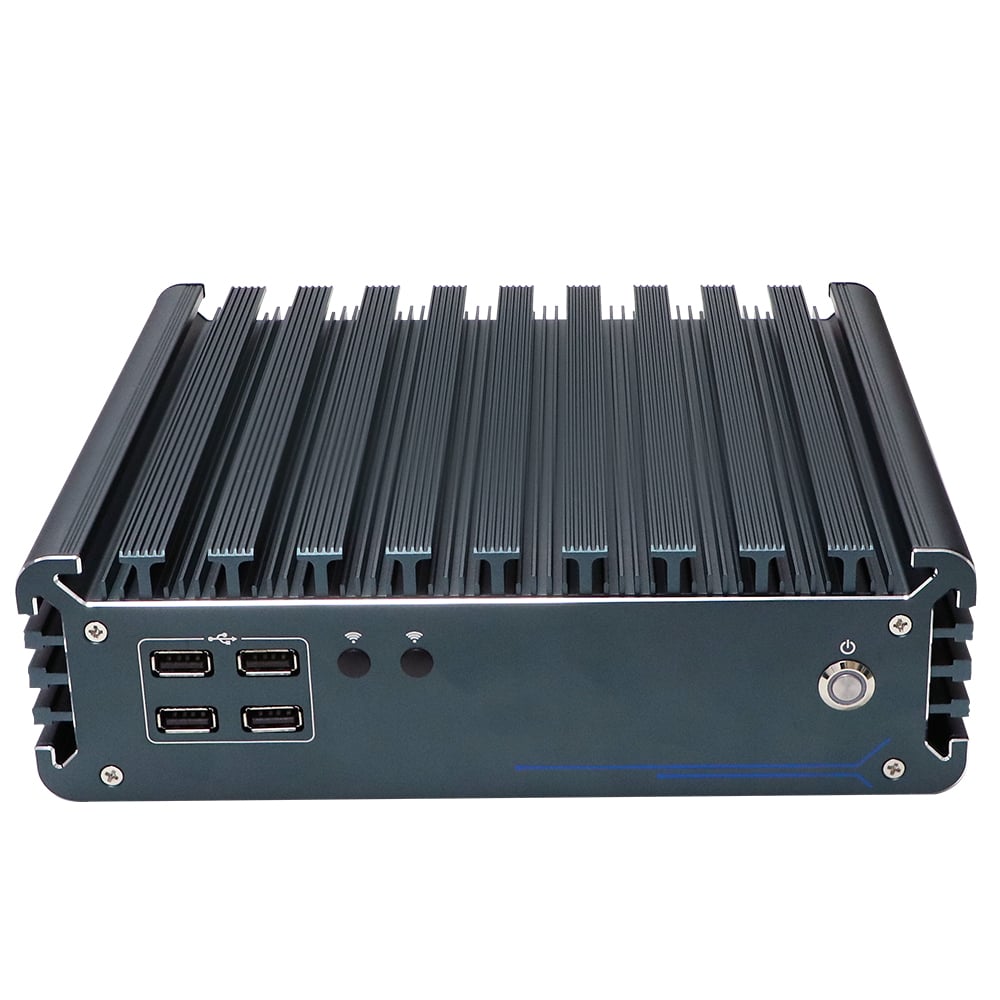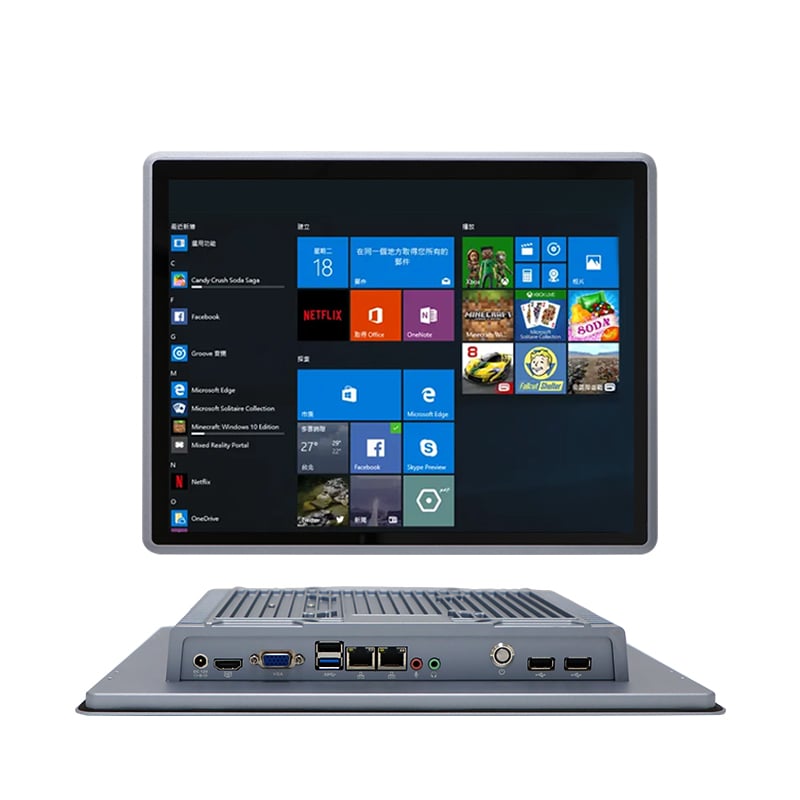

Industrial PCs (IPCs) act as the ‘brain’ of the smart factory, integrating the communication, control and computing capability into one platform. Unlike conventional PLCs for discrete tasks, IPCs combine PLC functionality with motion control and SCADA, and support advanced analytics capabilities. This convergence is allowing manufacturers to optimize operations — from coordinating assembly lines to providing accurate quality control — through deterministic real-time processing. Recent (August 2021) industry analysis has shown a 27% increase in the adoption of IPCs since 2020, these devices revolve around delivering the means to combine disparate automation 'islands' in a consistent manner.
IPCs fill the space which exists between software-oriented RPA and hardware-focused cobots. Through machine vision algorithms and motion control routines, IPCs enable cooperative robot (cobot) precision processes — part alignment, weld inspection, for instance — that can adapt to sensor data in real time. One of the world’s largest automotive suppliers cut the ribbon on a new deep learning-based test center in Les Ulis, France and are successfully automating the test process at their plant with an average reduction of 18% in component fitment errors on parts double-stacked on car seats when IPC-controlled cobots coordinate self-adjustment of force to position inputs with real-time data files of part maquettes during the scanning process. The systems’ safety functions are designed in accordance to IEC 61508 and this allows smooth cooperation between humans and machines without losing productivity.
Edge-enabled IPCs process raw sensor data into actionable insights in milliseconds, essential for predictive quality control applications. For example, temperature and vibration data from CNC machines may be processed in a distributed or localized manner to determine anomalies in tool wear so that defects are prevented. This edge offloading reduces dependence on the cloud and decreases latency by as much as 40 percent compared to cloud-first architectures.
Tier-1 automotive supplier retrofitted its EV battery assembly line, increasing throughput by 22%—Panasonic IPC Clusters The 12 robots, 34 servo axes and 58 inspection cameras are intelligently orchestrated using EtherCAT communication. Cell module alignment is checked by machine vision algorithms running on IPC GPUs with accuracy error ± 0.1mm, and power consumption is fine-tuned with real-time power monitoring.
Industrial PCs process data at the source to enable real-time decision-making, minimizing latency for quality inspection and predictive maintenance. Edge computing is projected to reach $350 billion by 2030, as IPCs:
Modern IPC systems balance edge responsiveness with cloud-scale analytics through hybrid architectures. Critical parameters are processed locally for immediate control actions, while aggregated data feeds cloud-based digital twins—helping one food processing plant reduce unplanned downtime by 27%.
IPC-based IIoT nodes eliminate cloud round trips, enabling sub-second responses in safety systems and robotic coordination:
| Cloud Processing | Edge Processing via IPC | |
|---|---|---|
| Latency | 800-1,200ms | 50-200ms |
| Data Transferred | 98% raw streams | 12% actionable insights |
Merging OT’s real-time requirements with IT’s security protocols remains complex, especially when integrating legacy machinery with proprietary standards. Cross-functional teams adopting unified OT/IT frameworks report 40% faster incident resolution.
IPCs serve as centralized controllers in automation workflows across industries:
| Application | Market Share | Key Contribution |
|---|---|---|
| Process Automation | ~30% | Standardizes batch operations |
| Discrete Automation | ~20% | Supports high-mix product lines |
IPCs reduce unplanned downtime in packaging workflows through simultaneous execution of vision inspection, robotic arm coordination, and conveyor belt speed optimization.
IPCs cut protocol conversion delays by 70% during production changeovers, bridging legacy and modern networks with OPC-UA and MQTT translators.
Modern IPCs process cobot data within 2ms latency windows—critical for safe human-machine interaction in small-parts assembly.
Edge AI algorithms on IPCs detect equipment anomalies 8-12 weeks before failure, reducing unplanned downtime by up to 45%.
Edge AI in IPCs resolves the latency-bandwidth paradox:
| Cloud AI | Edge AI via Industrial PC | |
|---|---|---|
| Inference Speed | 800-1200ms | 8-15ms |
| Data Transferred | 18-22 TB/month | 240-300 GB/month |
One automotive supplier achieved:
IPCs incorporate hardware-based security features including encrypted data storage and secure boot mechanisms, reducing unauthorized access attempts by 68%.
Best practices include network segmentation and monthly firmware vulnerability scans, helping reduce security incidents by 41% despite growing device connectivity.
IPCs process up to 15 concurrent automation tasks with <5ms latency, eliminating coordination errors that caused 31% of production delays in distributed systems.
Key drivers include:
Industrial PCs integrate communication, control, and computing capabilities, acting as the 'brain' of smart factories to optimize operations and quality control.
Industrial PCs enable precision processes with cobots through machine vision algorithms and motion control, improving adaptability to real-time sensor data.
Edge-enabled Industrial PCs provide actionable insights from raw sensor data in milliseconds, essential for predictive quality control applications.
Industrial PCs process data at the source for edge computing, minimizing latency and supporting real-time decision-making in IIoT implementations.
Industrial PCs incorporate hardware-based security features such as encrypted data storage and secure boot mechanisms to enhance cybersecurity.
 Hot News
 EN
EN