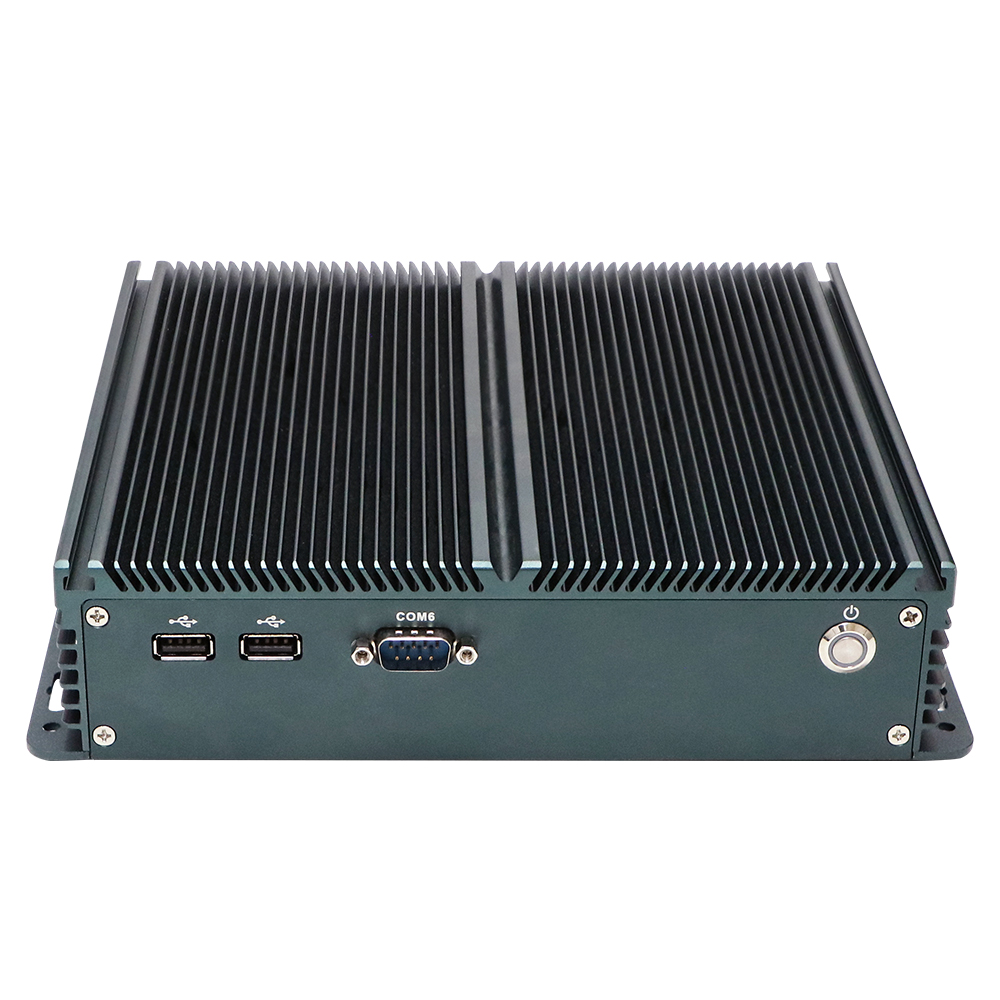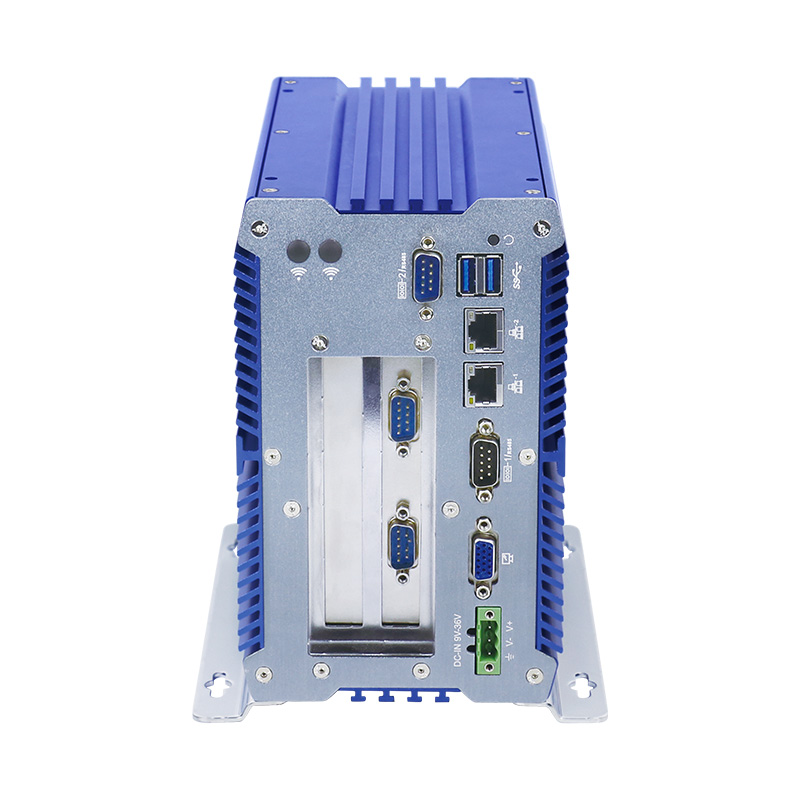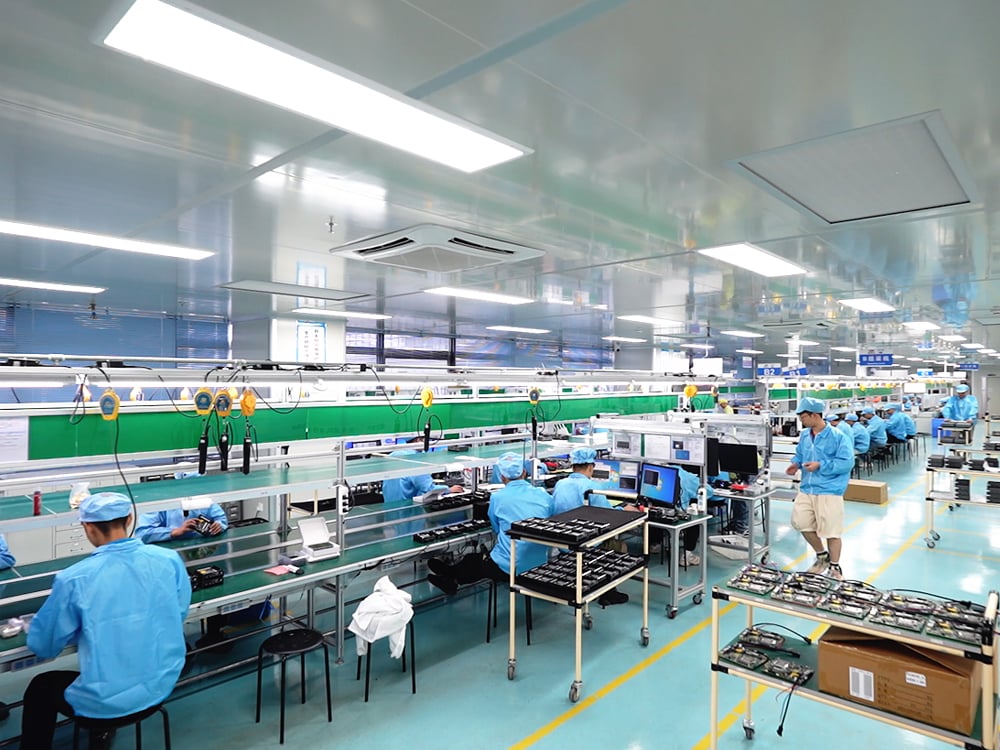

Medical imaging systems such as CT and MRI scanners rely on industrial computers for their powerful processing capabilities. These machines can crunch through massive amounts of image data almost instantly, which means doctors get results fast enough to spot problems before they become serious health threats. Consumer grade computers just don't cut it here. They tend to slow down or crash after running nonstop for hours, something that would be unacceptable during long surgeries where every second counts. Industrial PCs keep working steadily even under pressure, making sure doctors always have access to the latest scans without interruption.
Diagnostic imaging today needs crystal clear images to spot even the tiniest issues, which is why many facilities now work with 4K or better resolution equipment. Industrial grade computers handle these demanding image files without losing those critical details doctors need to see. These systems can manage multiple data feeds at once, so radiologists aren't stuck waiting when they need to cross reference new scans against old ones from patient history. The real game changer though comes from all that computing power working behind the scenes. It allows for AI tools that highlight potential problems radiologists might overlook during routine exams, making diagnoses more accurate across the board. Some hospitals report catching conditions earlier thanks to these advanced systems.
Industrial computers play a vital role in hospitals' intensive care units where they handle all sorts of demanding tasks at once. Think about things like electronic health records, continuous patient monitoring systems, and even medical imaging programs running side by side without any slowdowns. These machines are built tough enough to keep everything working together smoothly so doctors and nurses can get all the information they need right when it matters most during complicated procedures. The fact that these computers don't crash or lose important data means hospital operations stay on track. After all, when something goes wrong with technology in these environments, patients literally depend on reliable systems for their lives.
Medical carts equipped with industrial grade computers now make it possible for doctors and nurses to access important patient information right at the bedside instead of running back and forth to stationary workstations. These tough little workhorses let healthcare professionals record what's happening with patients, check if medications were given correctly, and get test results without waiting. The design is meant to handle all the bumps and bruises that come with daily hospital life where things are constantly moving around. They keep working reliably even when knocked into walls or dropped occasionally, which matters a lot when timely decisions need to be made during critical moments of care.
Industrial panel computers are becoming go-to tools for tracking patients remotely, gathering heart rate, blood pressure, and other key health metrics from wearable devices as they happen. Doctors can respond faster when someone has diabetes complications or needs follow-up after surgery thanks to this continuous stream of information. These machines come with no fans to reduce noise and dust buildup, plus special coatings that protect against spills and germs, making them safe to use anywhere from hospital wards to home care situations. When hooked up to video doctor services, they let specialists talk to patients face-to-face without everyone needing to travel, cutting down on trips to emergency rooms particularly helpful for folks living far from medical centers. According to recent research published last year, hospitals implementing these systems saw around 30 percent fewer people coming back within weeks of discharge for ongoing health issues.
Medical devices getting smarter and more connected brings along serious cybersecurity problems nobody wants to deal with. Think about infusion pumps hooked up to MRI machines and heart monitors all linked together on hospital networks – each one becomes a potential door for hackers to walk right through. When just one device gets infected, patients could be in danger and their private health info might get stolen. The numbers back this up too. IBM Security reported last year that hospitals pay around $10.9 million when their data gets breached. That kind of money loss isn't something any facility can afford. This is why industrial grade computers matter so much now. These specialized machines come with built-in security protections that regular medical equipment simply doesn't have, making them better at stopping attacks before they even start.
Industrial computers come with several layers of protection built right in. They include things like hardware security modules known as TPMs which keep encryption keys safe, plus secure boot features that stop bad code from running when the system starts up. The physical side matters too - most models have lockable cases and special seals that show if someone has tried to get inside without permission. What makes these systems stand out is their ability to watch for threats all the time and respond automatically when something looks suspicious. This helps healthcare organizations stay compliant with important regulations like HIPAA and GDPR. A recent study published in the Healthcare Cybersecurity Review showed pretty impressive results: hospitals and clinics that switched to industrial grade computers reported around two thirds fewer security problems than places still using regular consumer equipment.
Hospitals require computing solutions capable of enduring constant use, rigorous sanitation protocols, and dynamic environmental conditions. Consumer-grade systems often fail under these demands, making industrial computers the preferred choice for long-term reliability in clinical environments.
Industrial computers built for round-the-clock use come with sealed enclosures rated IP65, which means they stand up well against accidental liquid spills and those strong disinfectants hospitals love to spray around during cleaning. These machines keep running smoothly even when temps swing wildly between -40°C and 85°C, something regular desktops would never survive. Plus, they handle shocks and vibrations pretty well, making them ideal for busy medical environments where equipment gets bumped around all day long. The bottom line is these tough little workhorses don't stop working when things get rough, so there's no unexpected downtime that might mess up patient treatment schedules or hold back important medical procedures.
Medical facilities need workstations that keep things clean while saving space, which is why compact designs matter so much. These industrial all in one panel computers pack everything together computer power, screen, and touch functionality all in one box that can be mounted almost anywhere walls, rolling carts, even equipment stands. Getting rid of those big CPU boxes and tangled wires helps cut down on germs spreading around and frees up precious floor area in already crowded clinics. The panels come with special coatings that fight microbes and don't have fans that might circulate dust particles. That makes them great for maintaining sterile conditions. Plus, doctors and nurses can operate these screens wearing gloves, and they work well with all sorts of medical devices. Makes accessing electronic health records, managing medications, and keeping tabs on patients much smoother without having to worry about messing up the sterile field during procedures.
What role do industrial computers play in diagnostic imaging?
Industrial computers are essential for processing large amounts of image data in diagnostic equipment like CT and MRI scanners. They ensure quick results and uninterrupted operation, even during extensive use.
How do industrial computers enhance telemedicine workflows?
These computers support mobile medical carts and panel PCs, allowing for efficient remote patient monitoring and telemedicine consultations, reducing the need for physical visits to medical centers.
Why are industrial computers crucial for cybersecurity in healthcare?
Industrial computers have built-in security features that protect against cyber threats, ensuring patient data integrity and compliance with regulations like HIPAA and GDPR.
 Hot News
 EN
EN