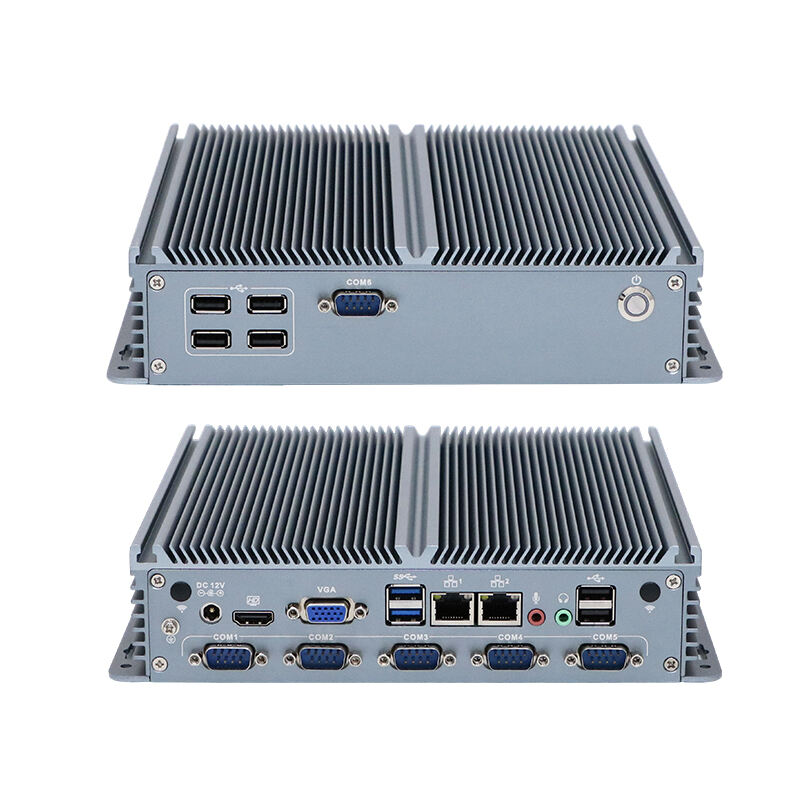
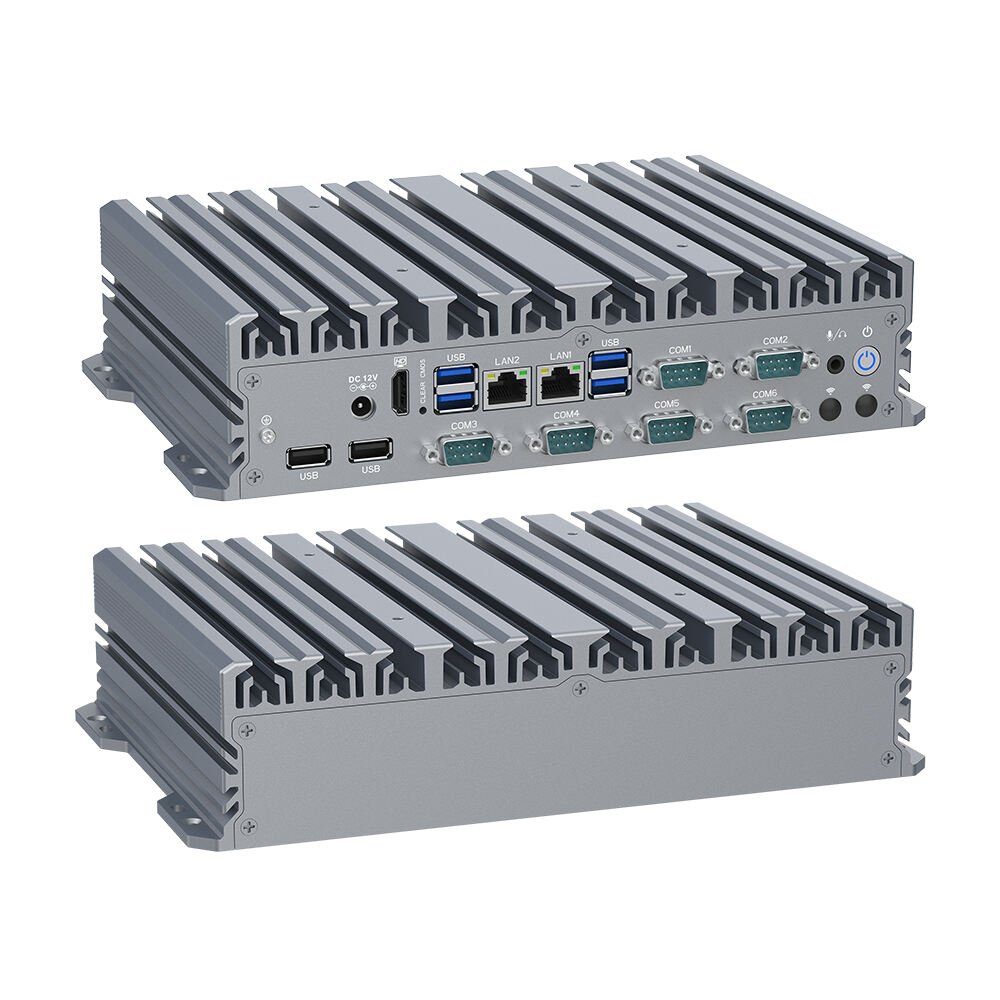
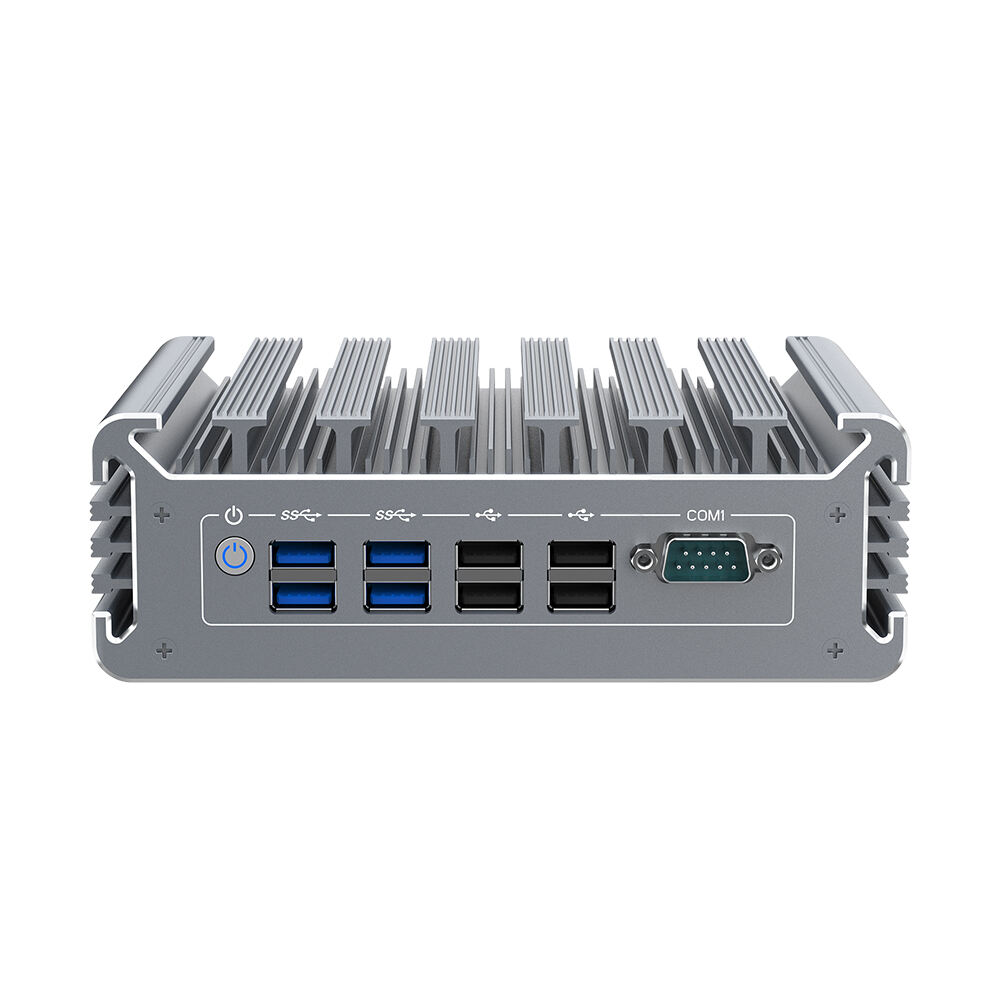
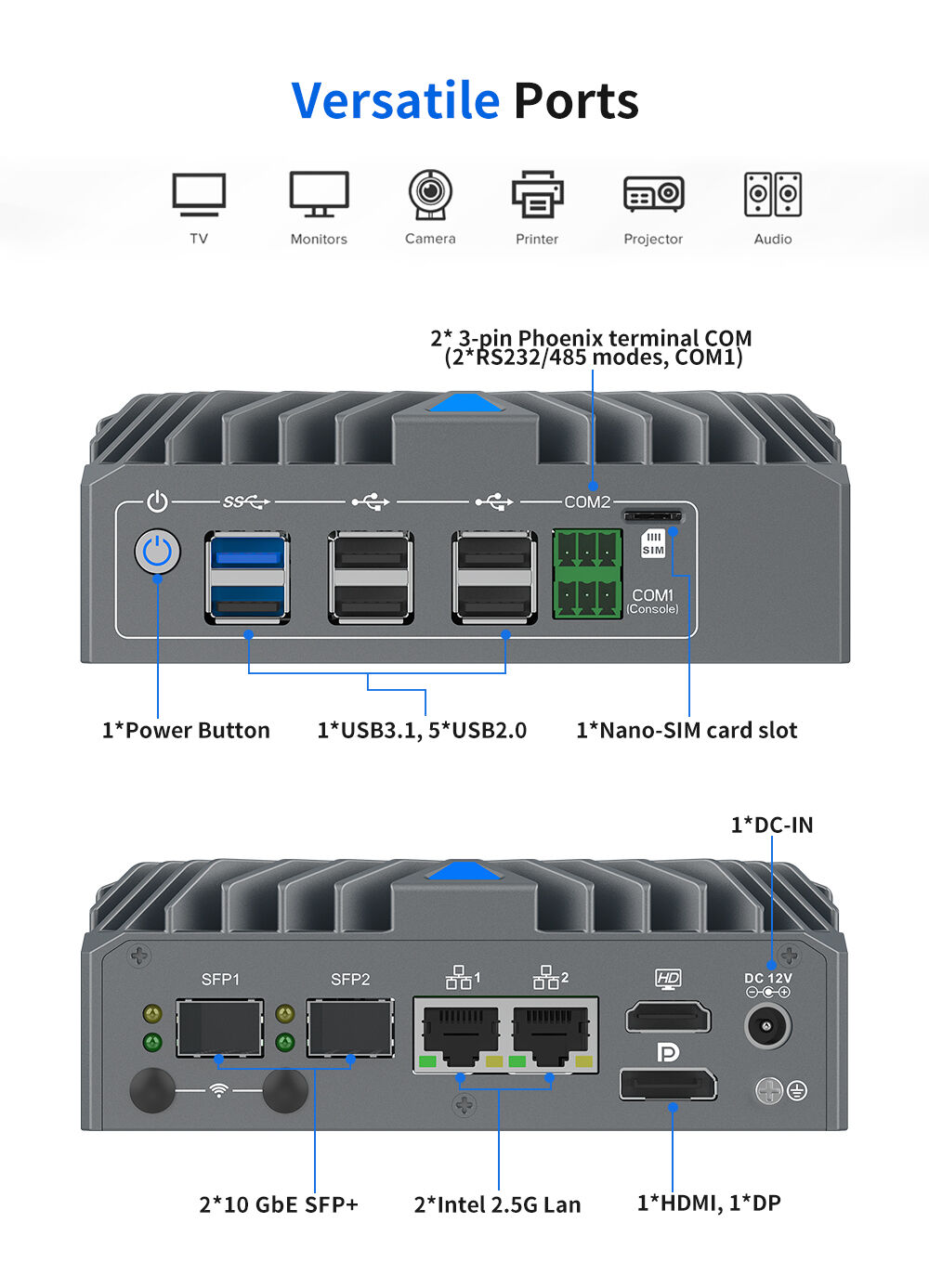
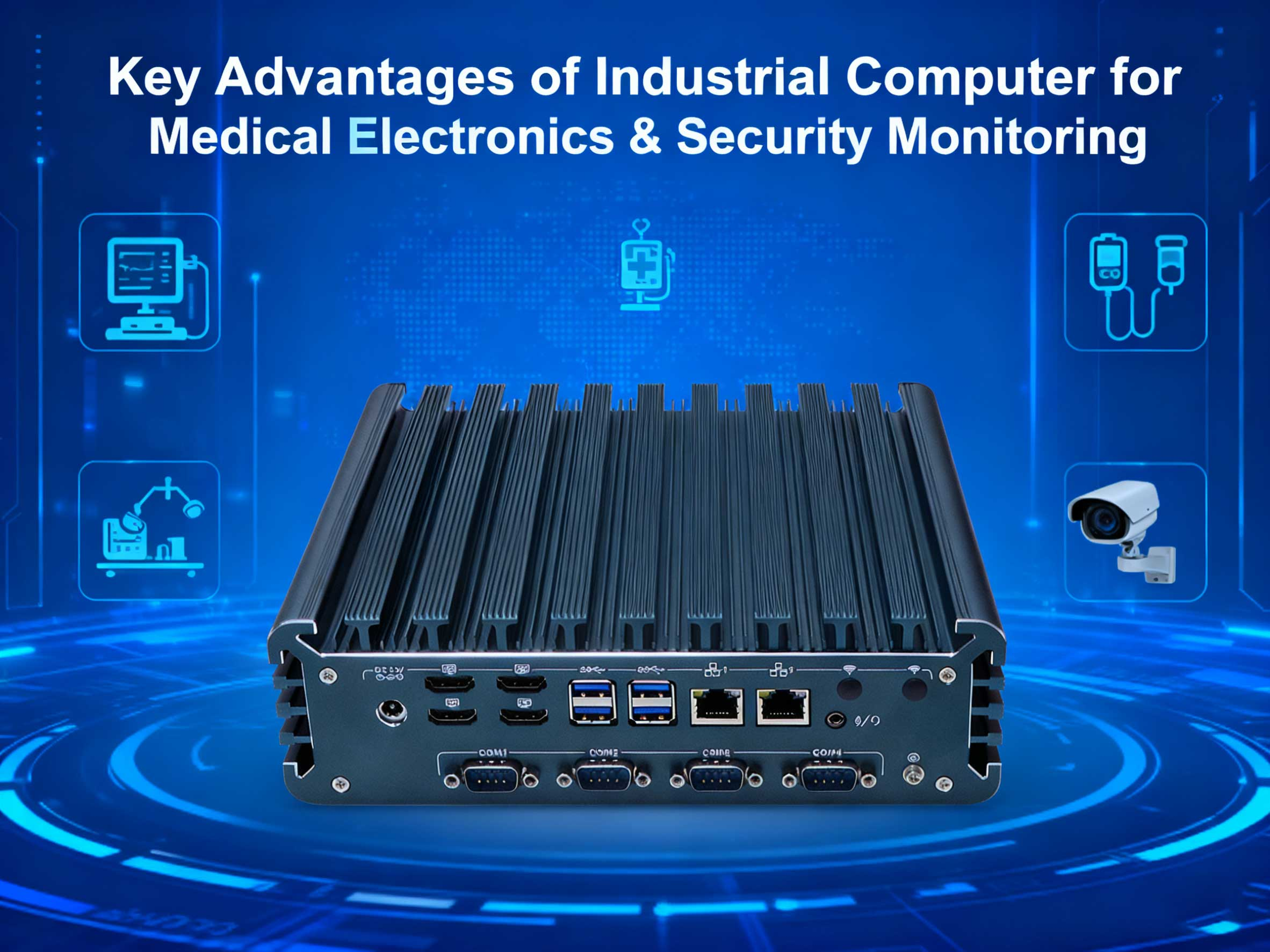
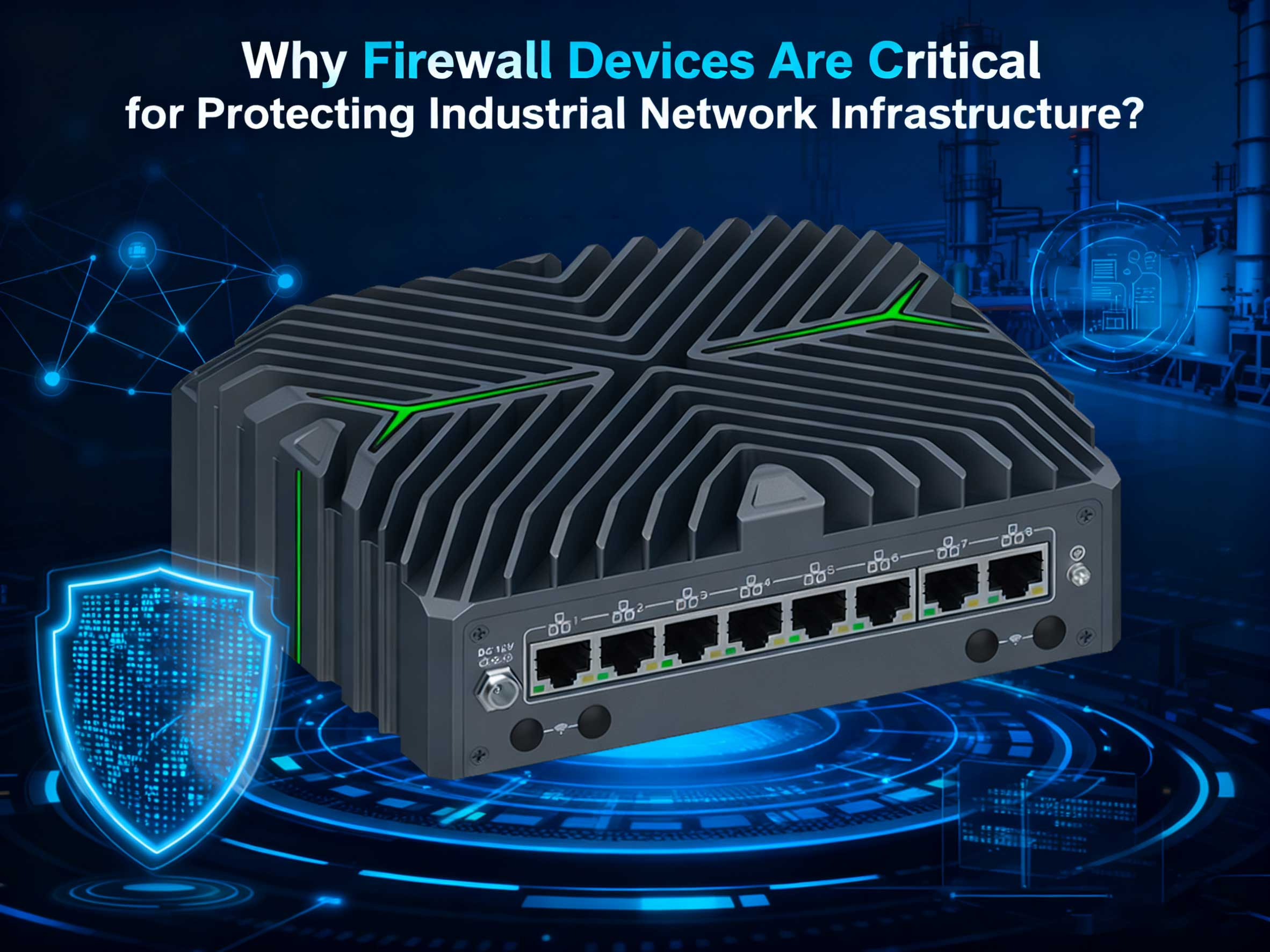
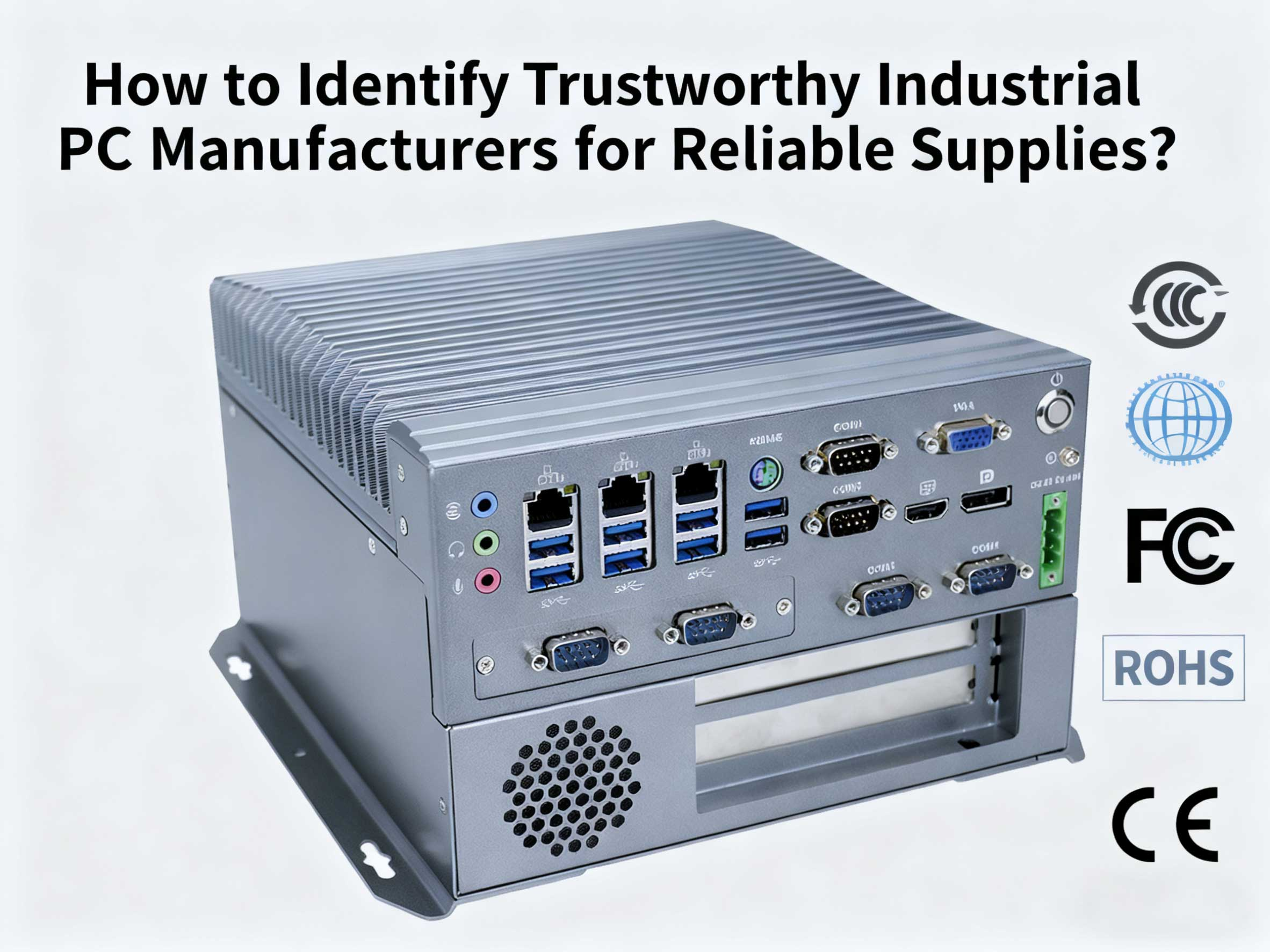
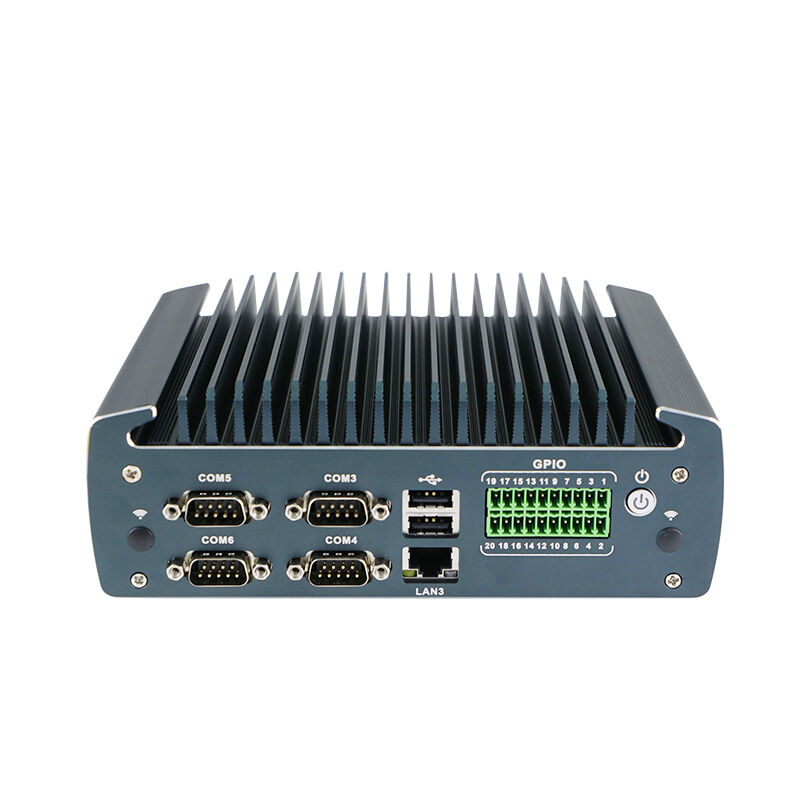
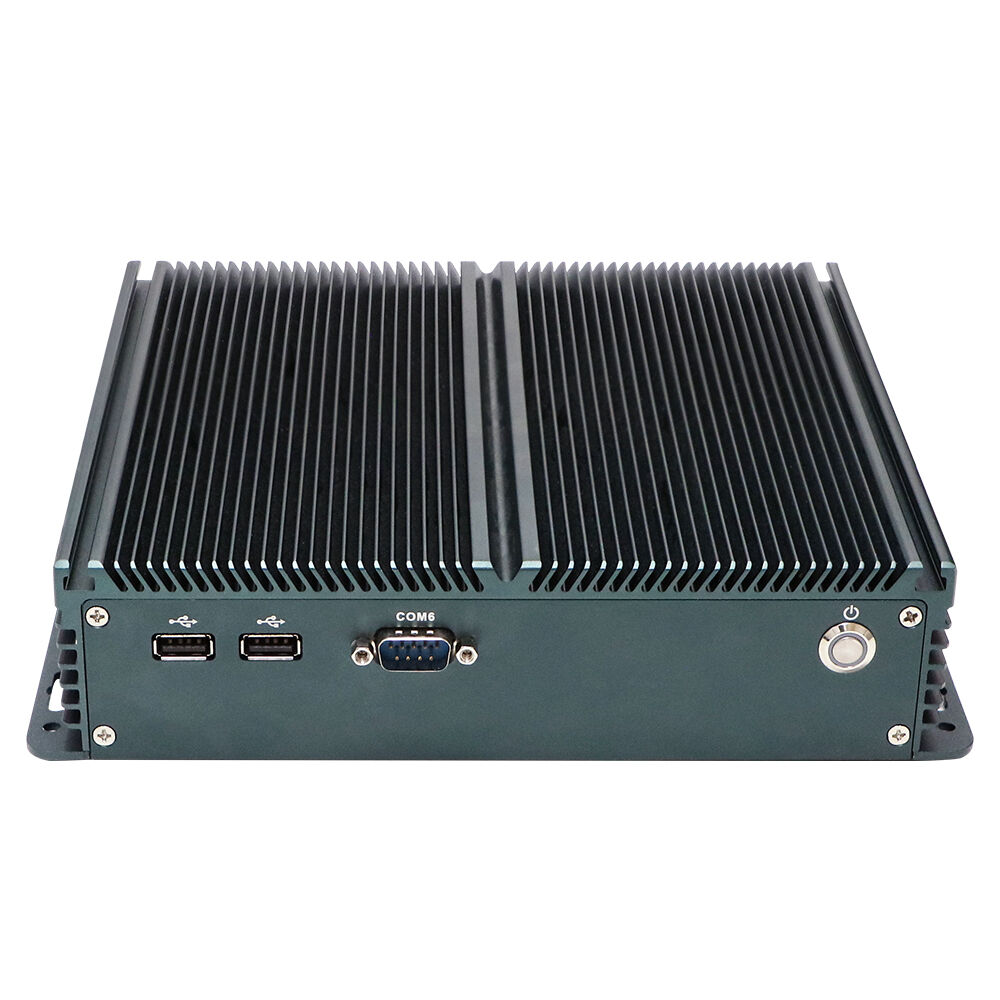
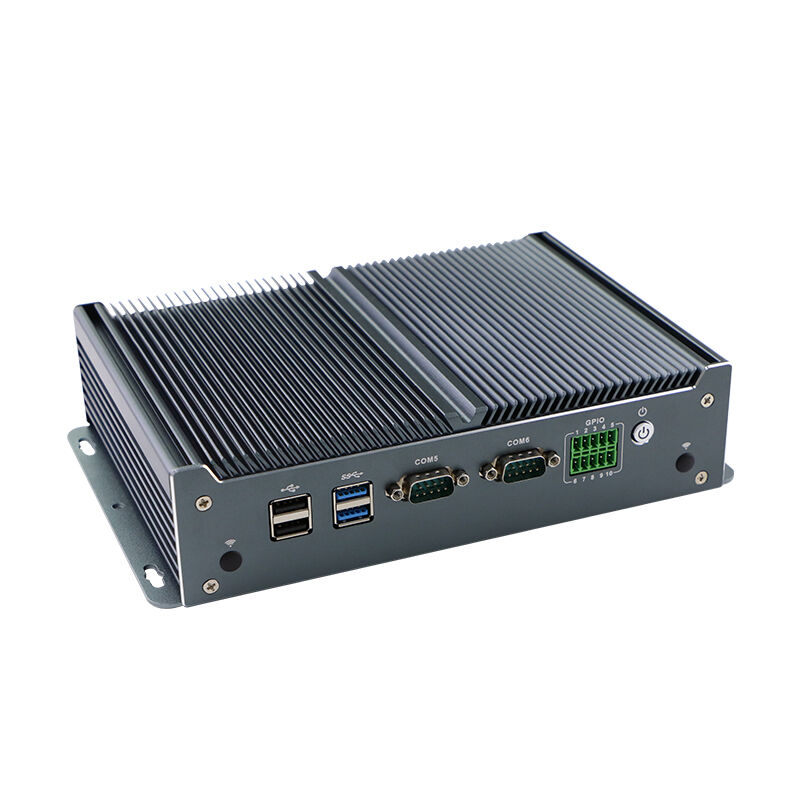
Small industrial computers represent a significant leap forward in industrial automation and control systems. These compact yet powerful devices are designed to meet the specific needs of industries where space is at a premium, and reliability is paramount. Unlike traditional industrial PCs, which can be bulky and consume significant amounts of power, small industrial computers offer a space-saving alternative without sacrificing performance. They are equipped with high-performance processors, ample memory, and storage options, enabling them to handle complex tasks such as data acquisition, real-time control, and machine vision applications with ease. Their compact size also makes them ideal for integration into existing machinery and equipment, where traditional PCs may not fit. Moreover, small industrial computers are engineered to operate in harsh environments, featuring rugged enclosures and components that can withstand extreme temperatures, dust, and vibrations. This durability ensures continuous operation, even in the most demanding industrial settings, reducing the risk of downtime and maintenance costs. Additionally, these systems are often designed with energy efficiency in mind, consuming less power than their larger counterparts, which can lead to significant cost savings over time. With their versatility, reliability, and energy efficiency, small industrial computers are becoming increasingly popular across a wide range of industries, from manufacturing and automation to transportation and medical electronics. They offer a flexible and scalable solution that can adapt to the evolving needs of modern industrial operations, driving productivity and efficiency to new heights.