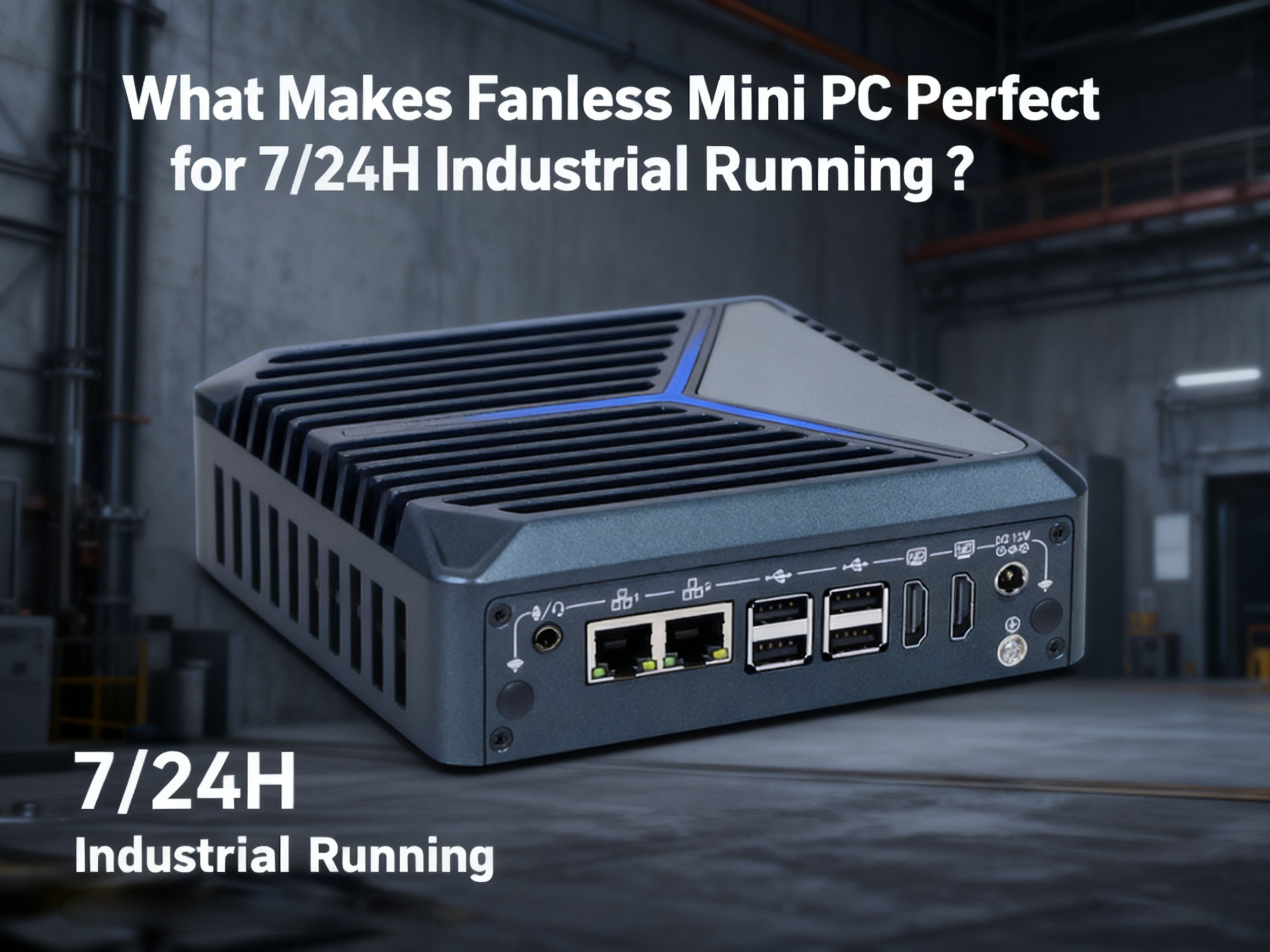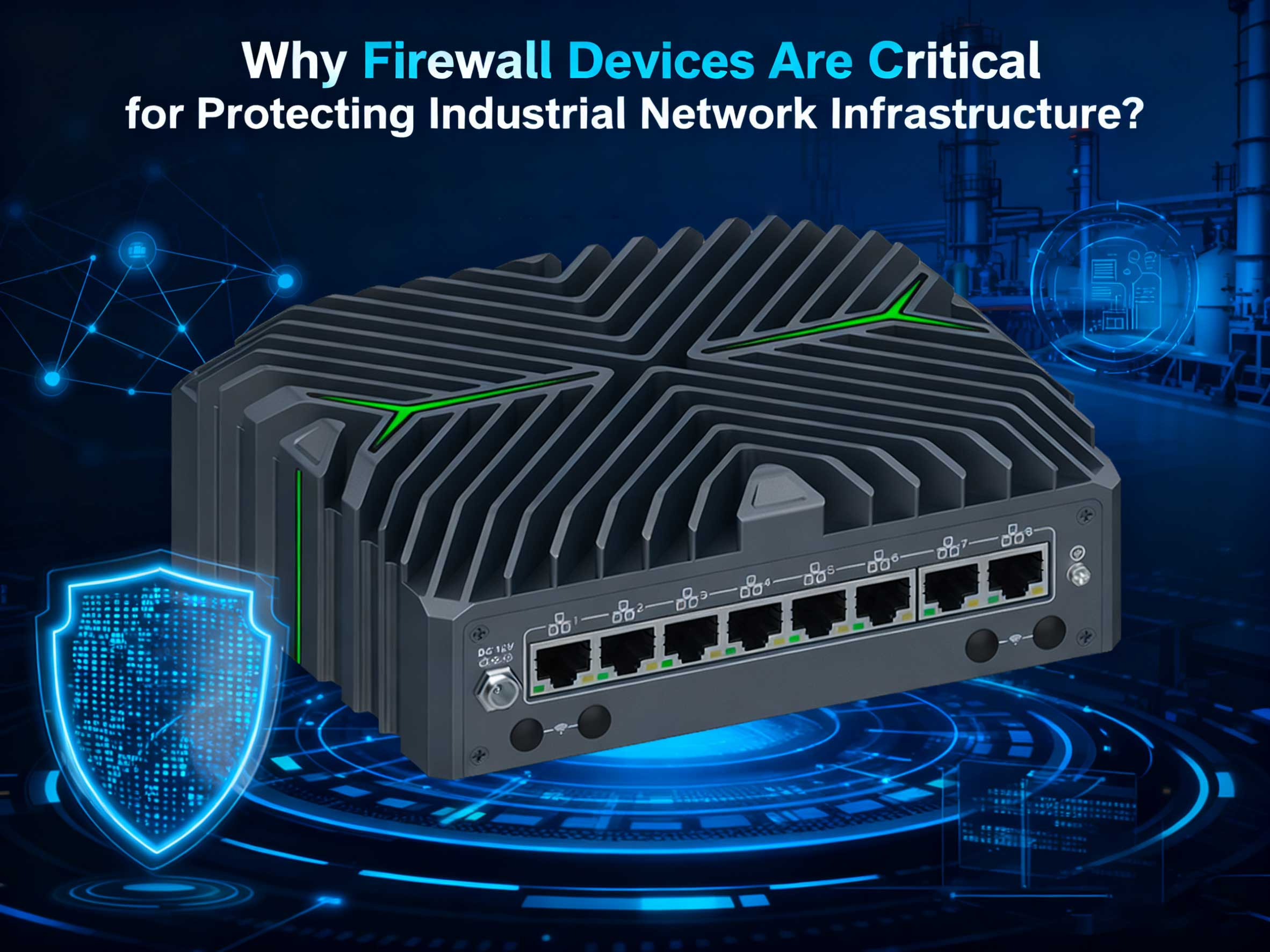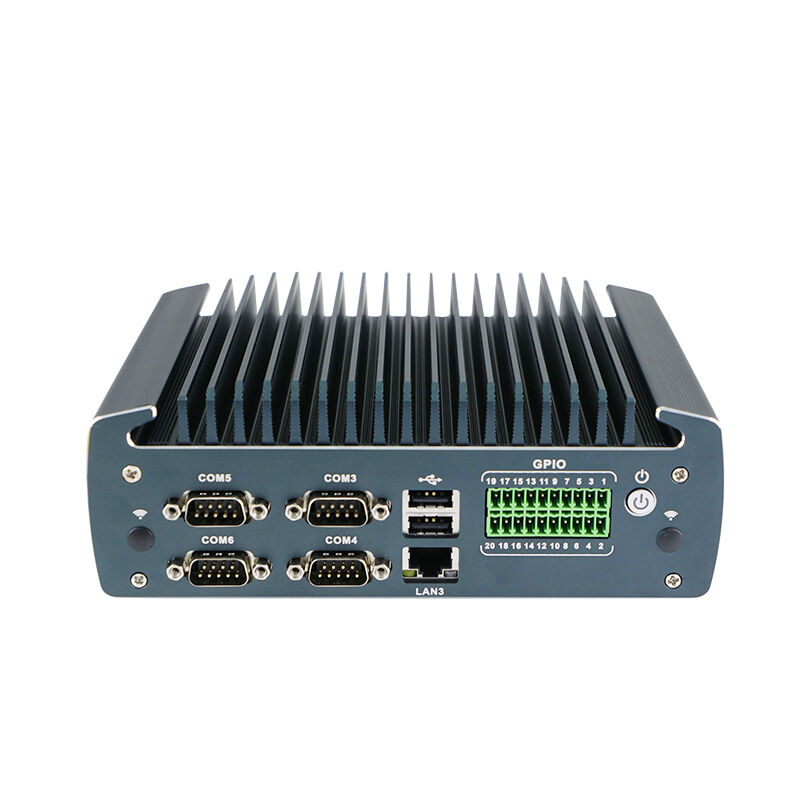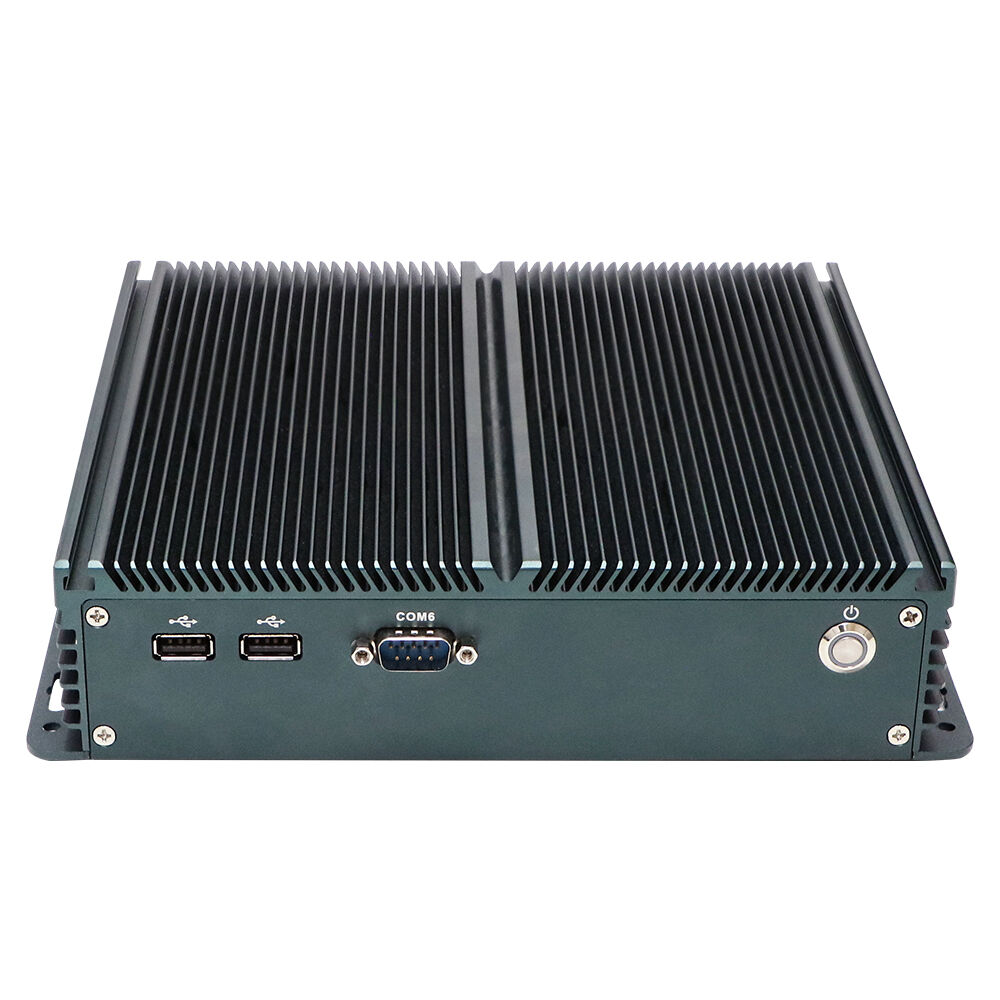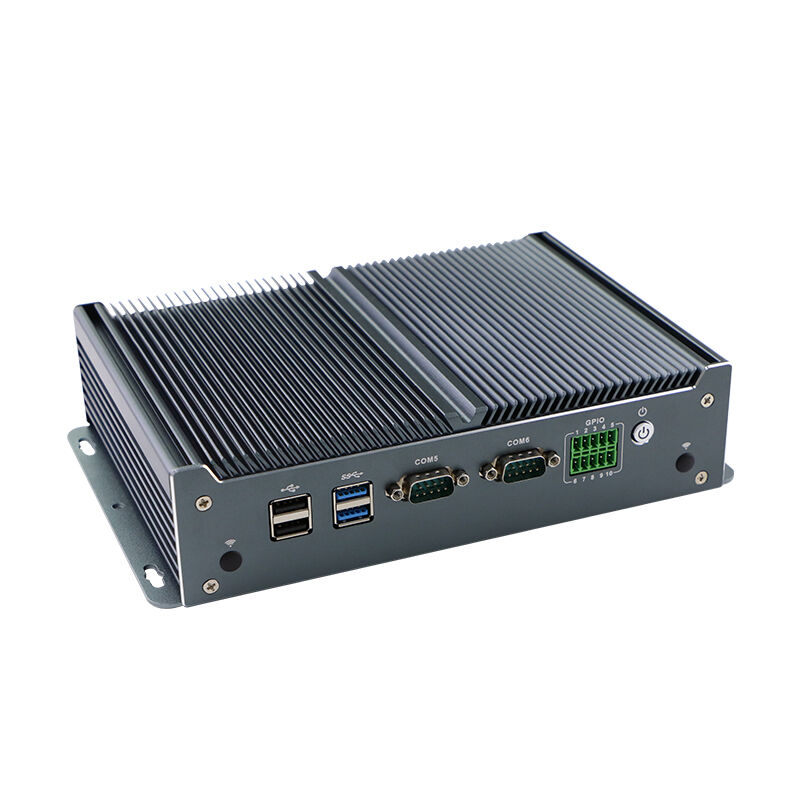
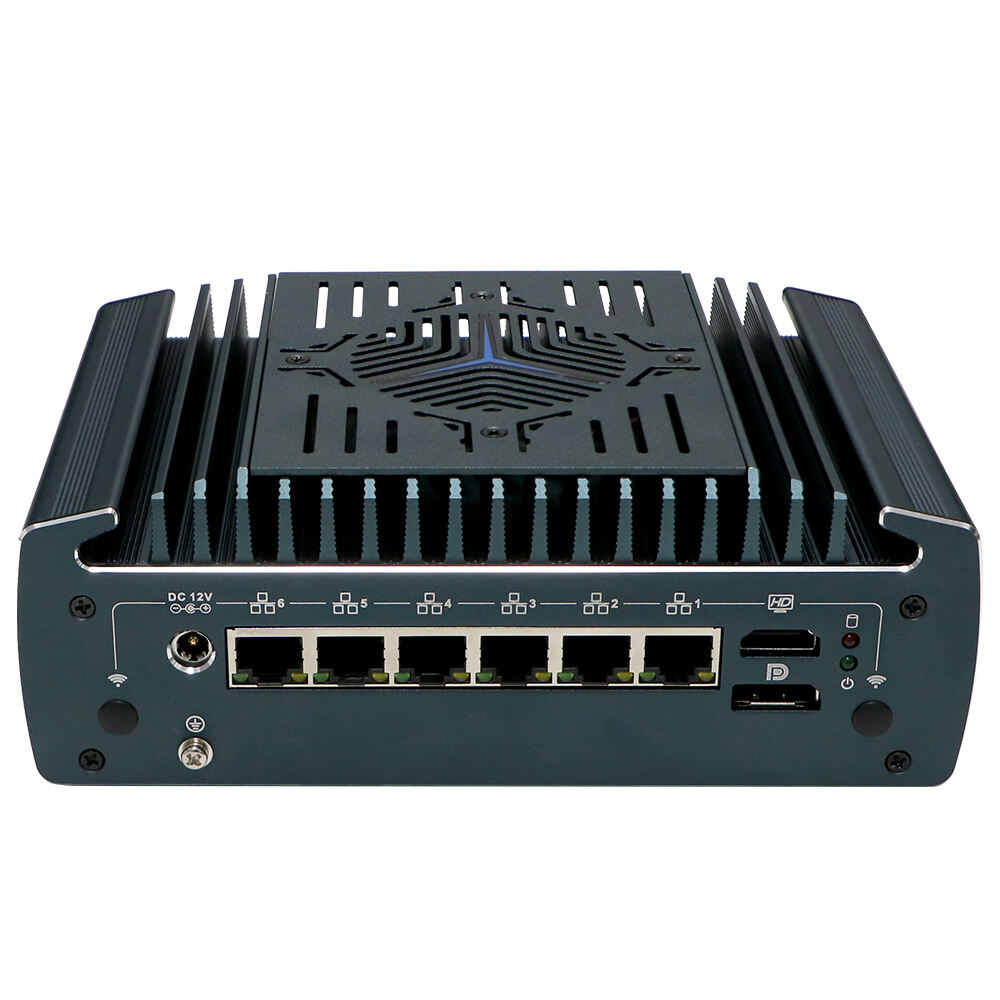
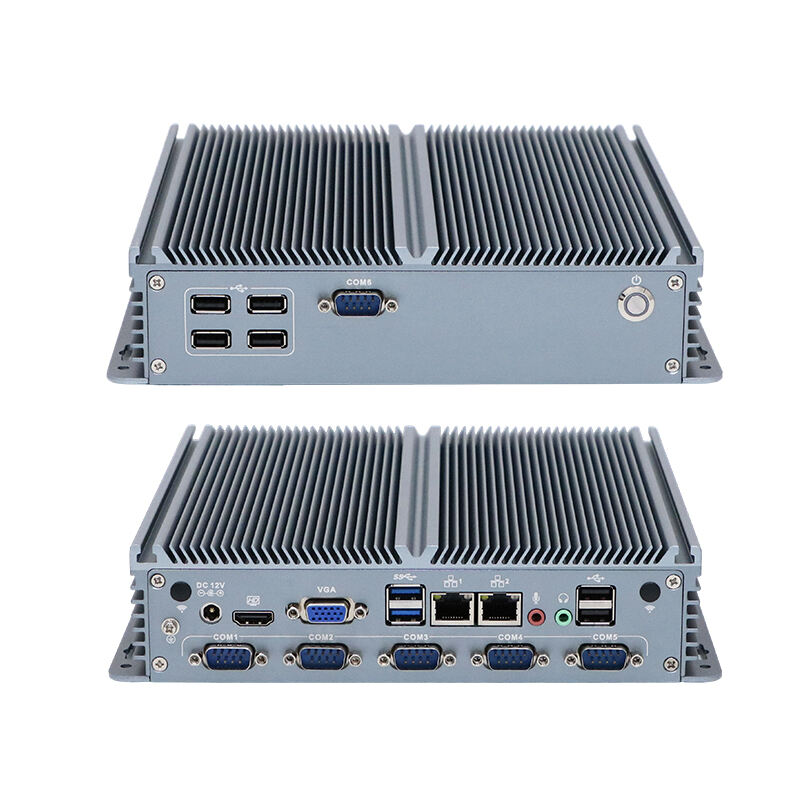
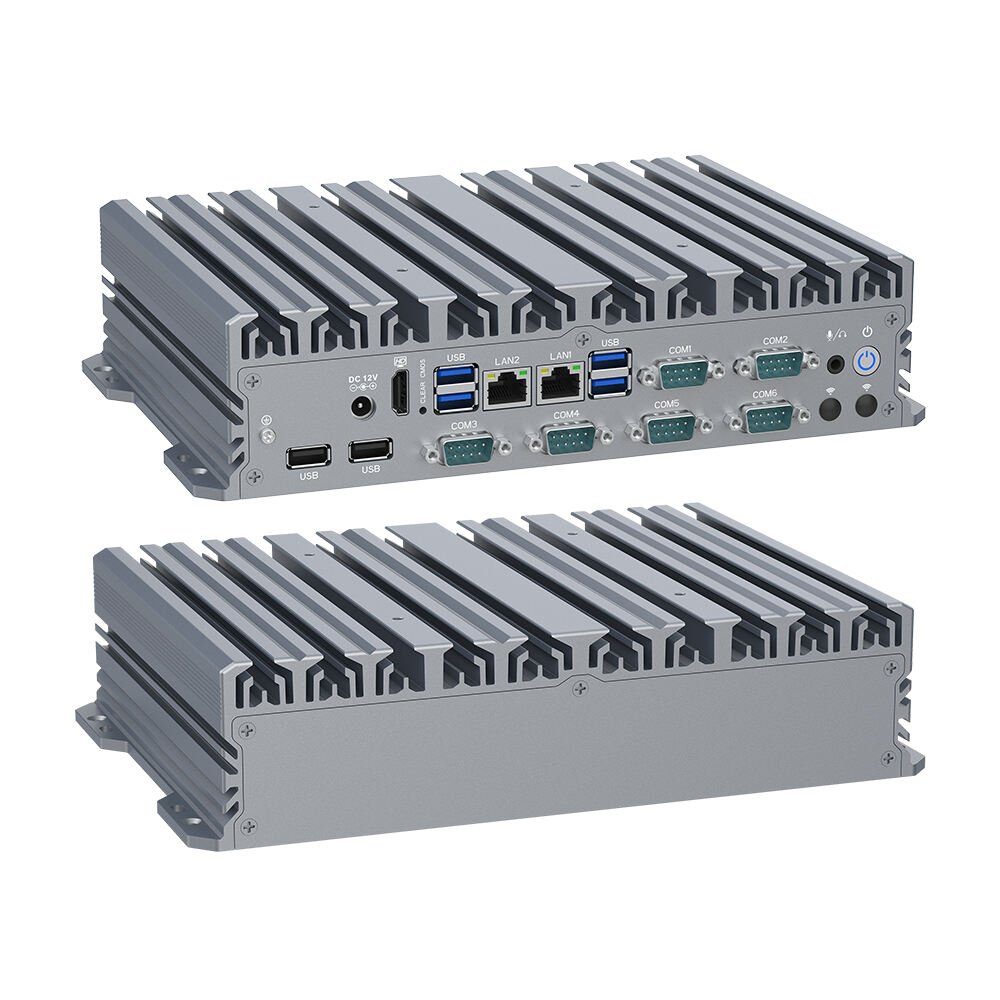
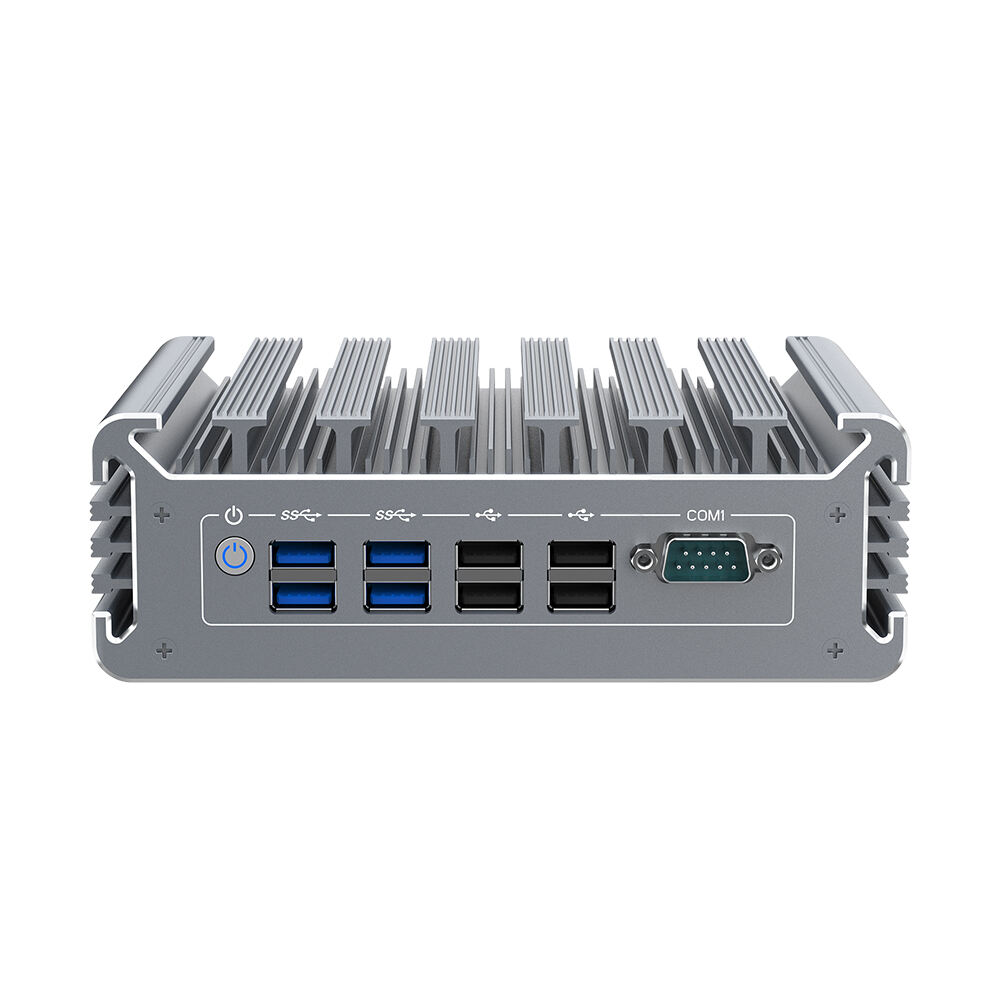
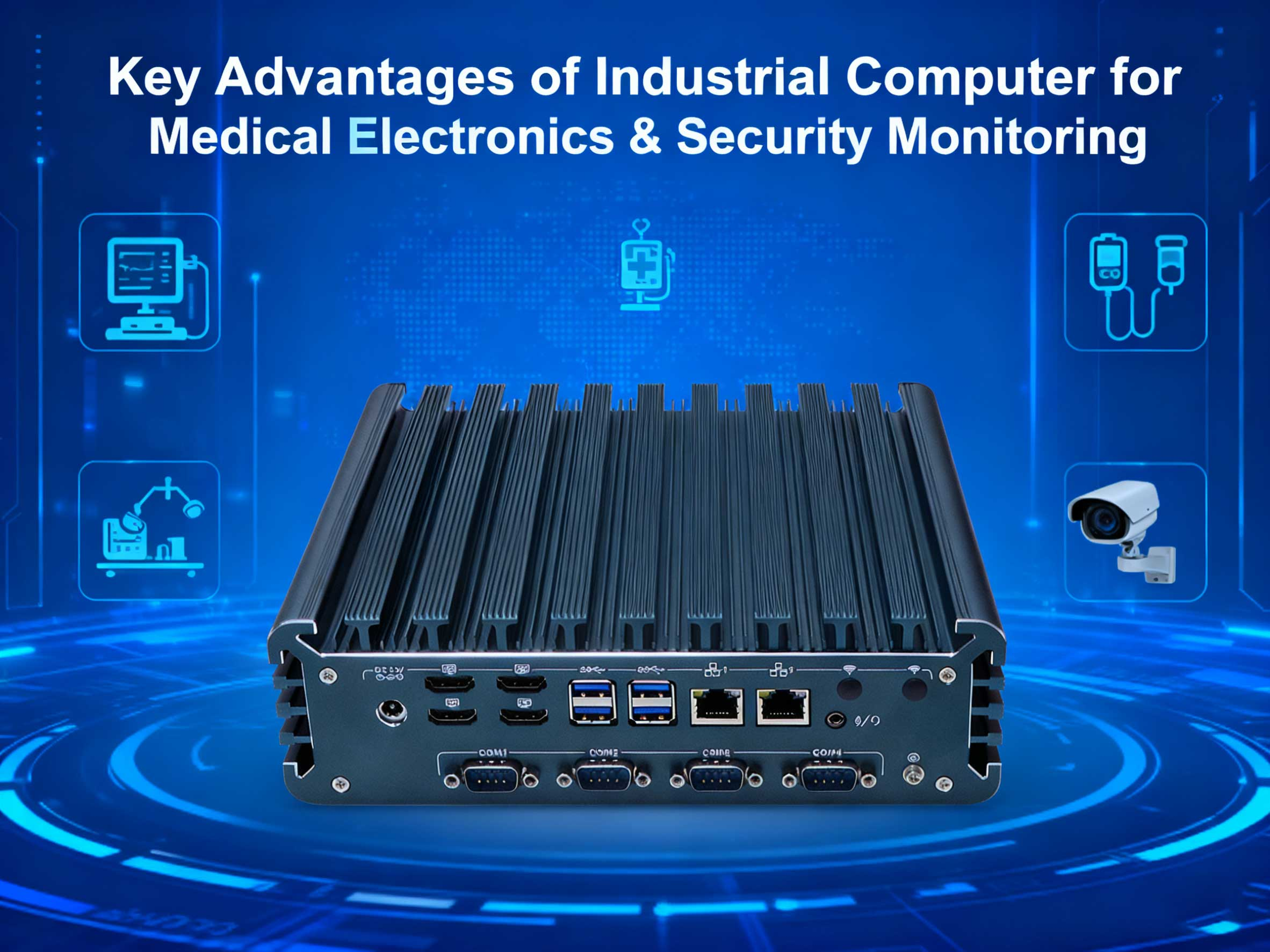
Embedded computer modules represent a pivotal advancement in the realm of computing, offering compact yet powerful solutions for a wide array of applications. These modules integrate essential computing components, such as processors, memory, and storage, into a single, compact unit that can be easily integrated into larger systems. Their small form factor makes them ideal for space-constrained environments, such as industrial machinery, automotive systems, and smart devices, where traditional computing solutions may not fit. Despite their size, embedded computer modules deliver impressive performance, capable of handling complex tasks and real-time data processing with ease. They are designed to operate reliably in harsh conditions, ensuring continuous operation even in extreme temperatures, vibrations, or electromagnetic interference. This robustness is crucial for applications that demand high availability and minimal downtime, such as in manufacturing, transportation, and healthcare. Moreover, embedded computer modules offer flexibility in terms of customization and scalability. Manufacturers can tailor these modules to specific requirements, incorporating the necessary interfaces, connectivity options, and software stacks to meet the unique needs of their applications. This flexibility allows for rapid prototyping and deployment, reducing time-to-market and enabling businesses to stay ahead of the competition. Additionally, embedded computer modules are energy-efficient, consuming less power compared to traditional computing solutions. This not only reduces operational costs but also contributes to a greener environment by minimizing energy consumption and carbon footprint. With their versatility, reliability, and energy efficiency, embedded computer modules have become an indispensable component in modern computing, driving innovation and efficiency across various industries.