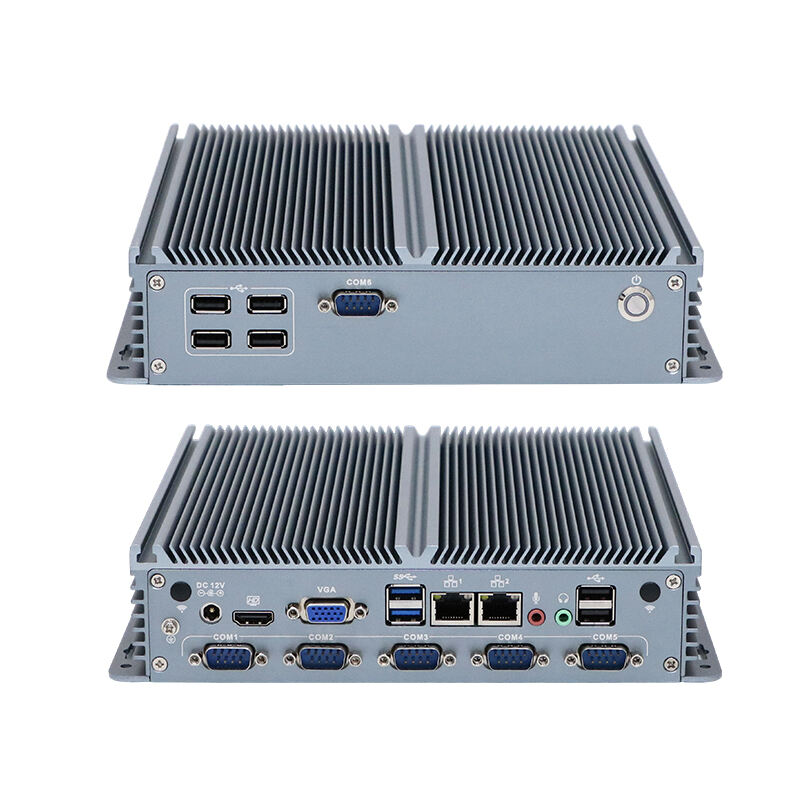
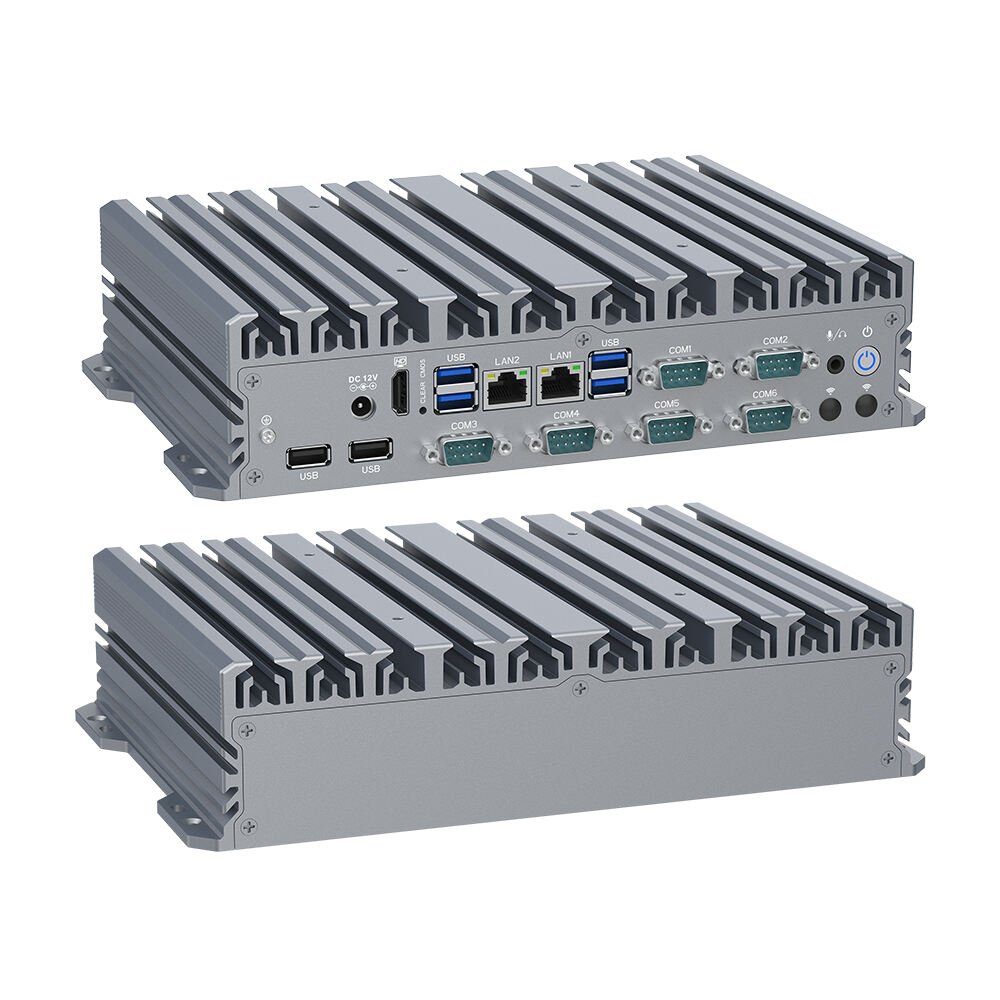
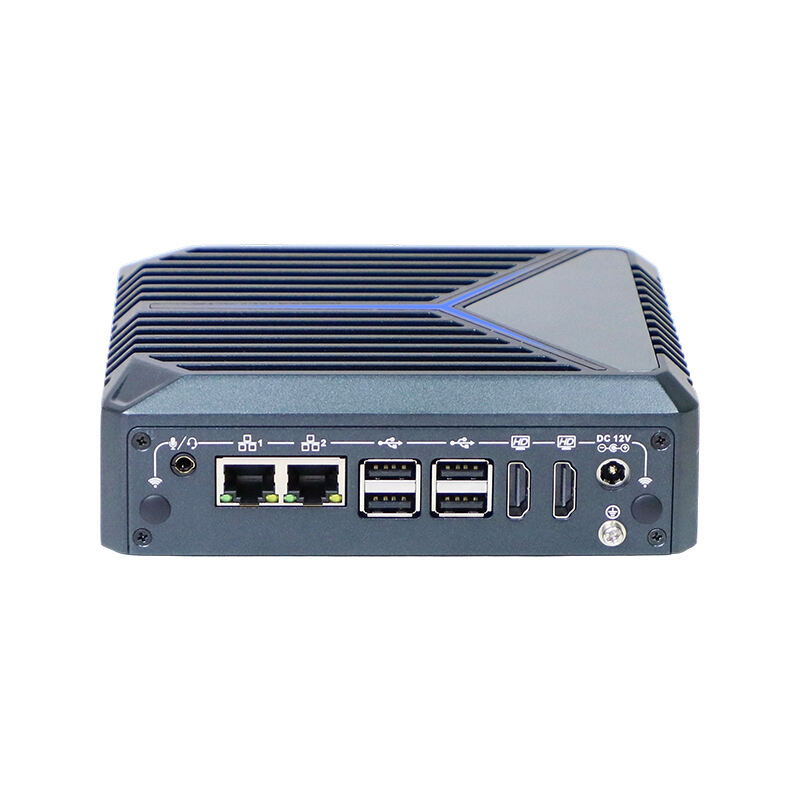
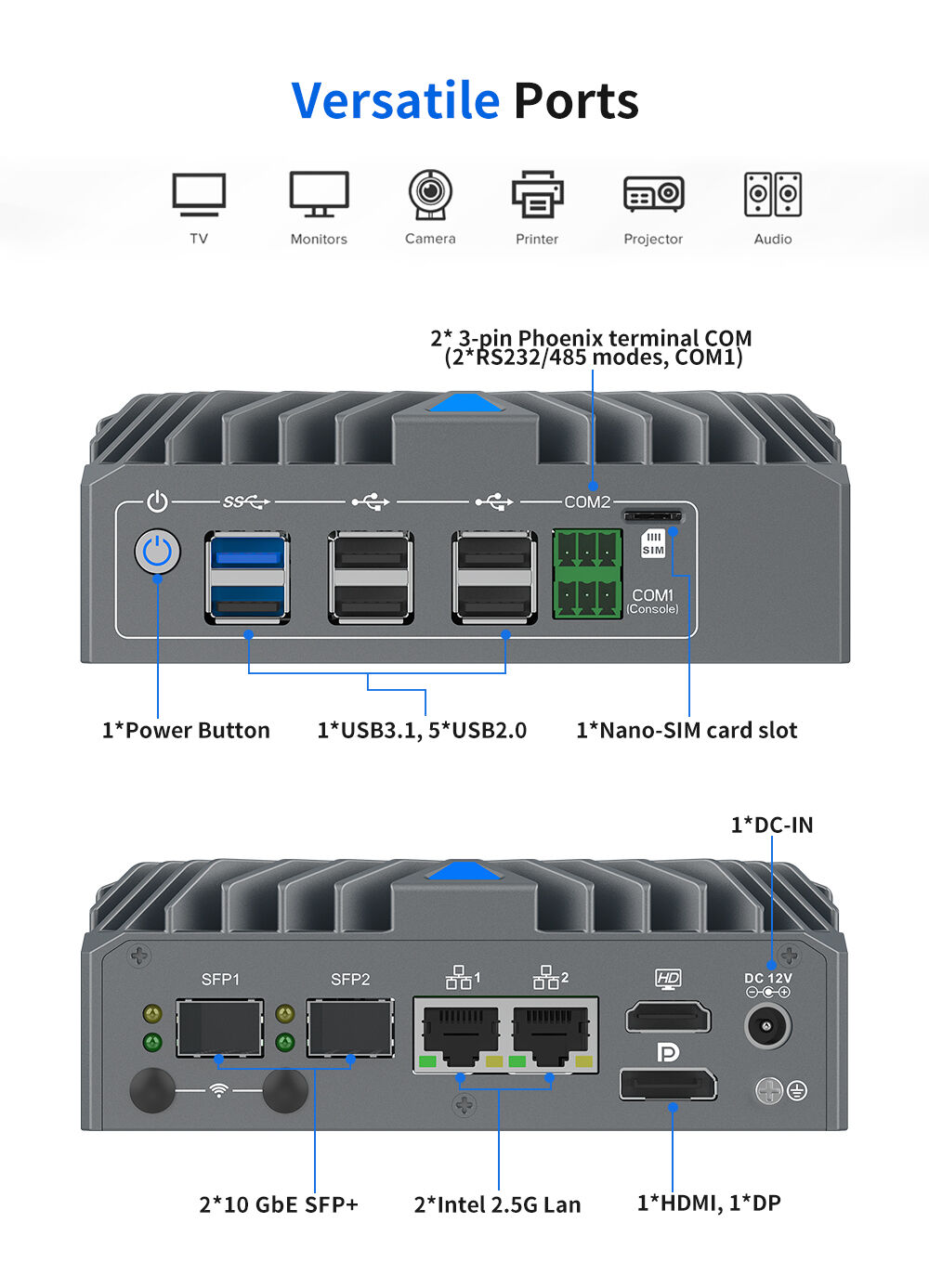
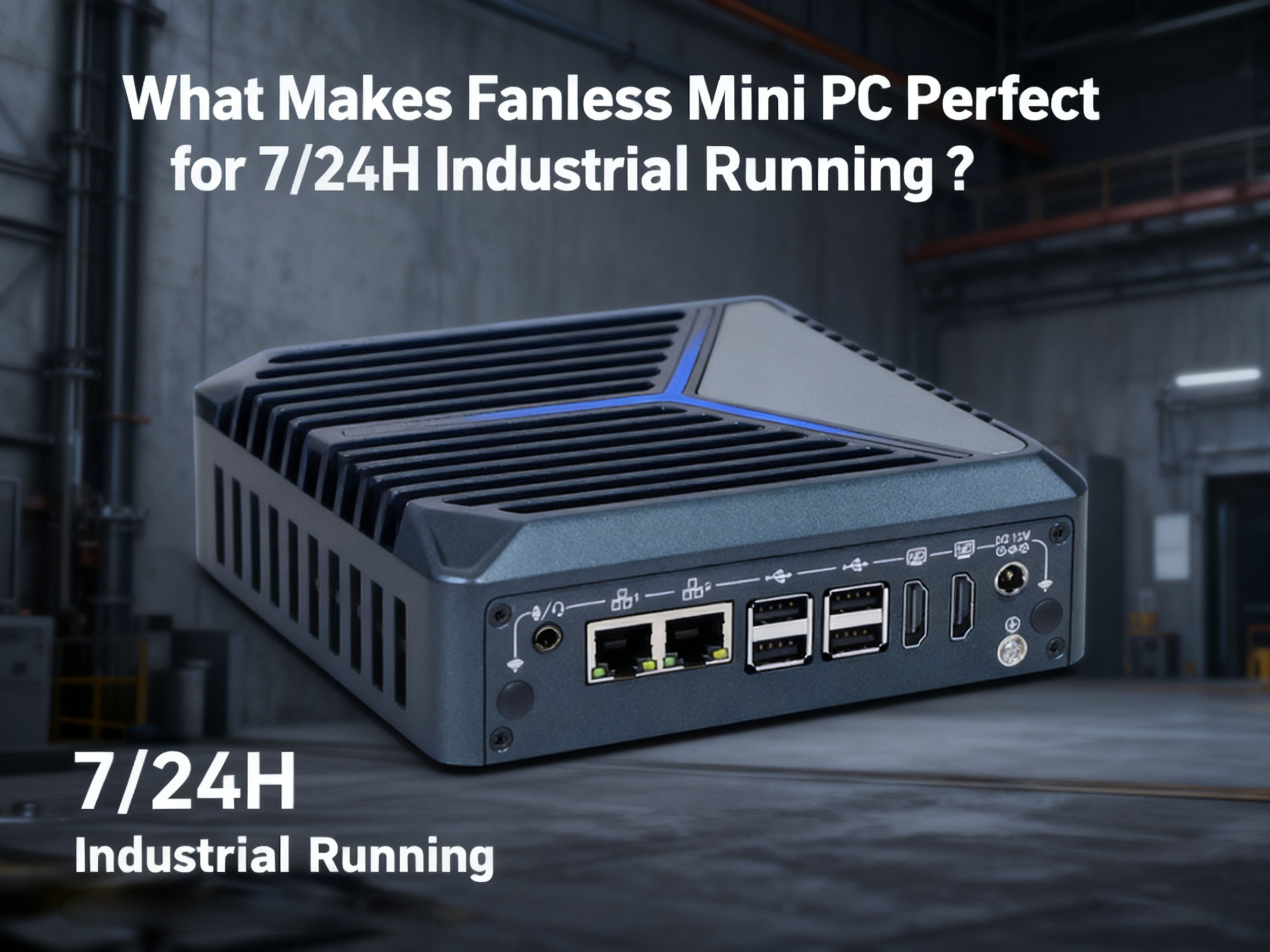
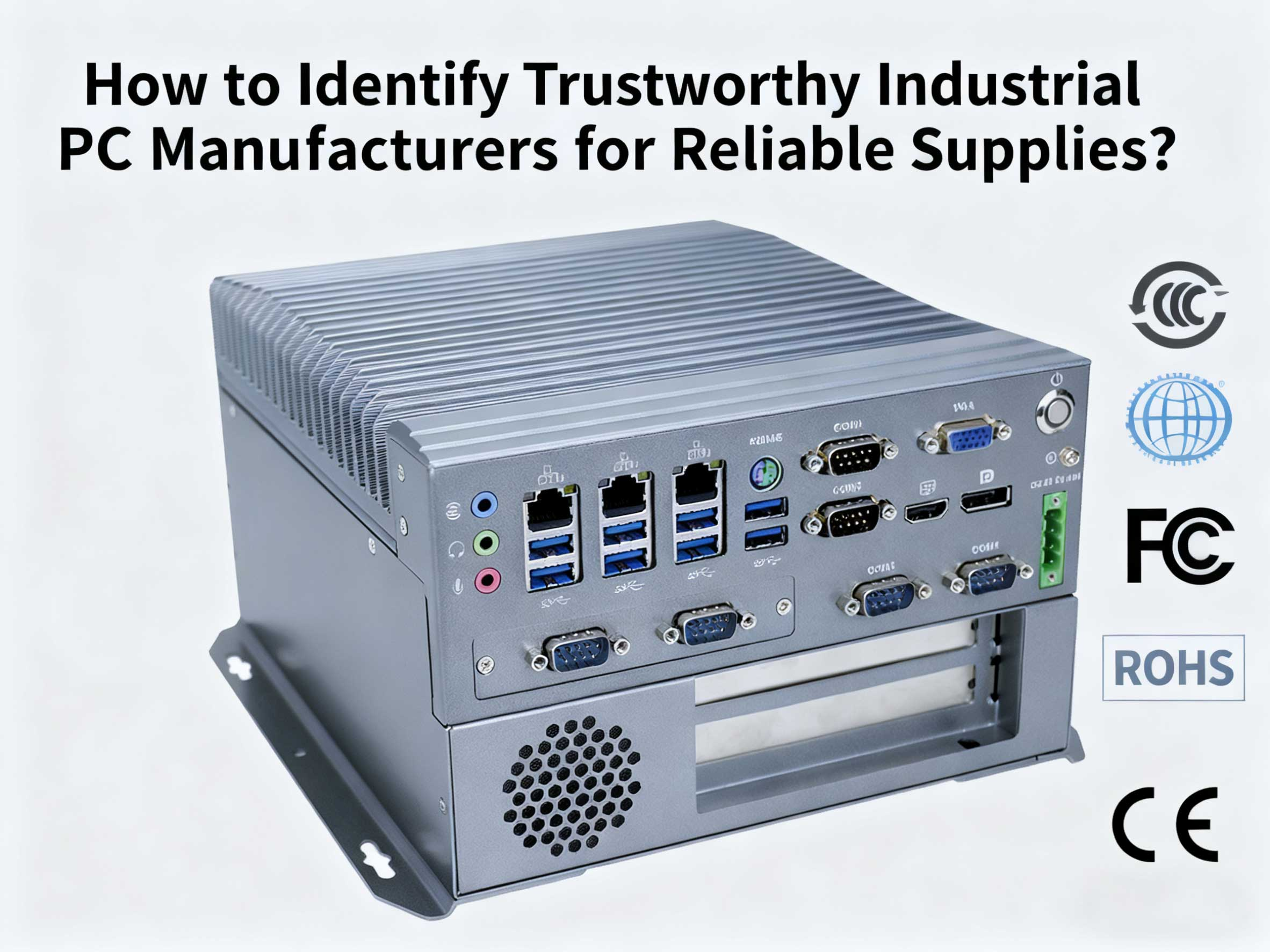
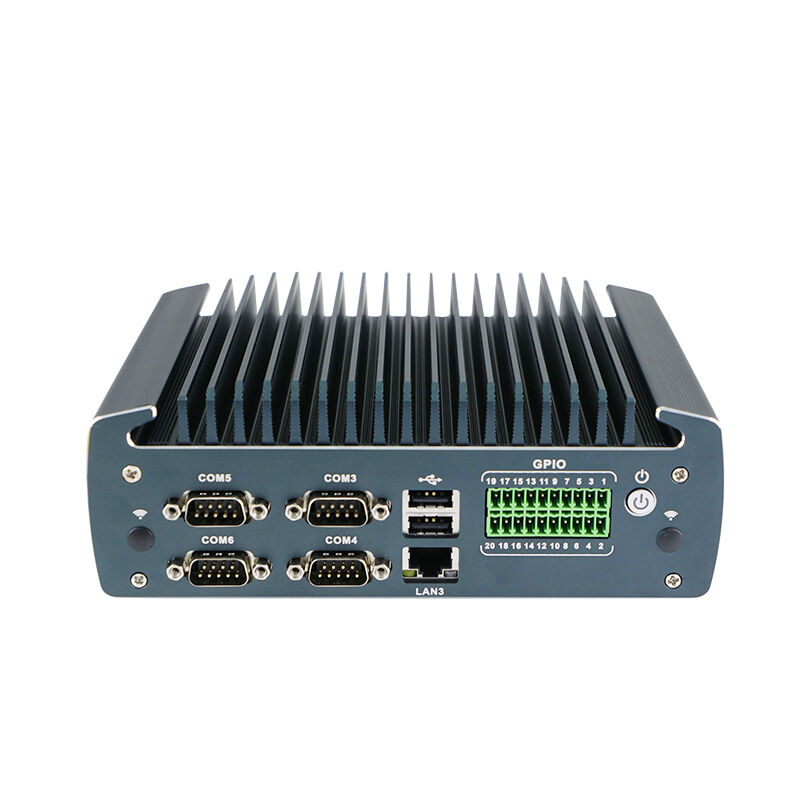
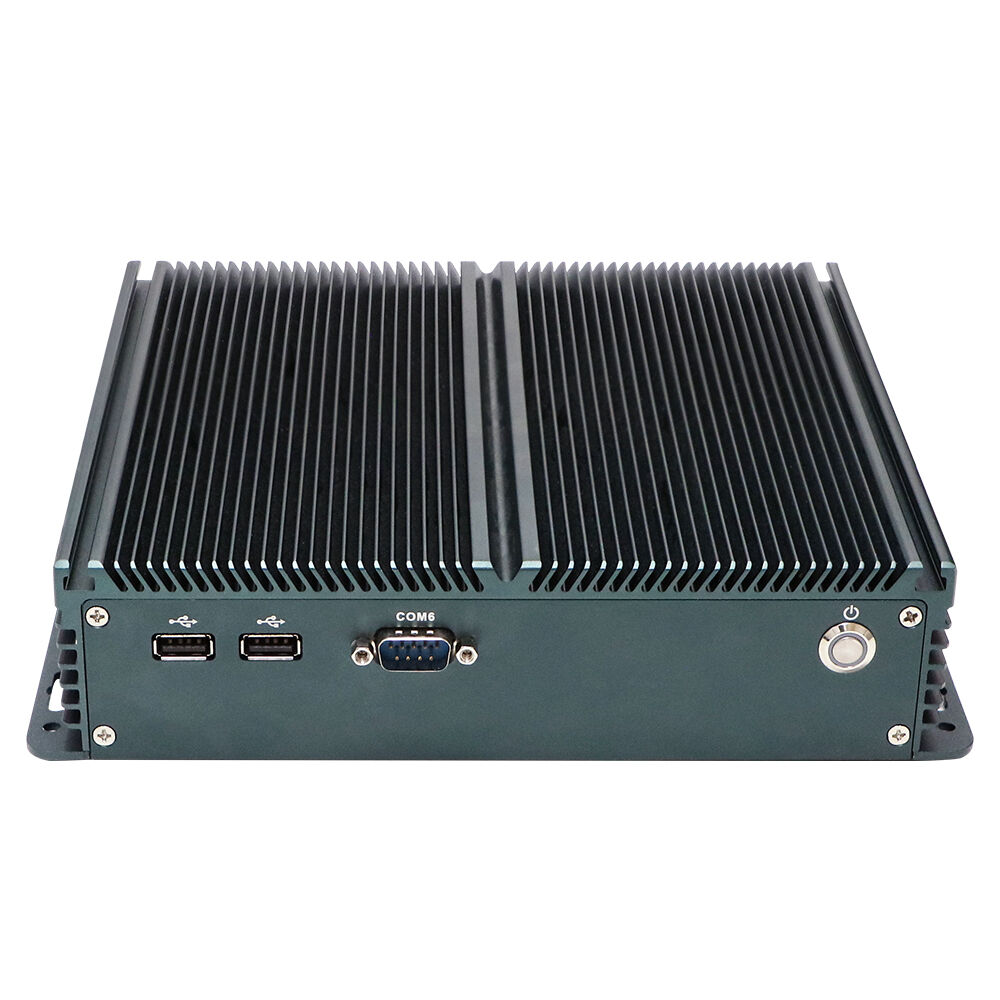
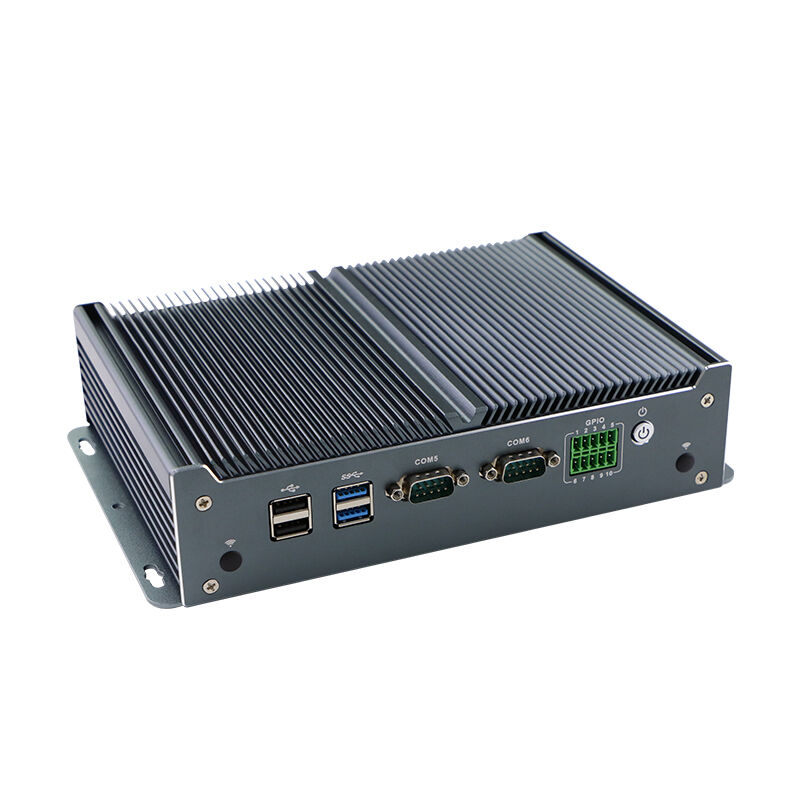
Rugged embedded computers represent a critical advancement in computing technology, specifically designed to operate reliably in harsh and demanding environments. Unlike standard embedded computers, rugged variants are built with industrial-grade components that can withstand extreme conditions such as high and low temperatures, vibrations, shocks, dust, and moisture. This robustness makes them indispensable in industries where reliability and durability are paramount, such as industrial automation, transportation, military, and aerospace. In industrial automation, rugged embedded computers are used to control machinery, monitor production processes, and collect data for analysis. Their ability to operate continuously in factory environments, where dust and vibrations are common, ensures minimal downtime and maximum productivity. In transportation, these computers power critical systems in vehicles, trains, and ships, handling navigation, communication, and safety functions. Their resistance to temperature fluctuations and vibrations ensures stable operation, even during long journeys across varying climates. Military applications demand the highest level of ruggedness, as equipment must function reliably in battlefield conditions. Rugged embedded computers are used in command and control systems, unmanned vehicles, and surveillance equipment, providing real-time data processing and communication capabilities. Their ability to withstand shocks and extreme temperatures ensures they remain operational in the most challenging scenarios, supporting mission-critical operations. Moreover, rugged embedded computers offer high-performance computing capabilities, despite their compact and rugged design. Equipped with powerful processors, ample memory, and advanced connectivity options, they can handle complex tasks and data-intensive applications with ease. This makes them suitable for advanced applications like machine vision, where real-time image processing is required, and artificial intelligence, where large datasets need to be analyzed quickly. Their energy efficiency is another key advantage, as they consume less power compared to traditional computing solutions, reducing operational costs and environmental impact. In summary, rugged embedded computers are essential for industries that require reliable and durable computing solutions in harsh environments. Their ability to withstand extreme conditions, combined with high-performance computing capabilities, makes them ideal for a wide range of applications, driving innovation and efficiency across various sectors.
 EN
EN